Still keeping up
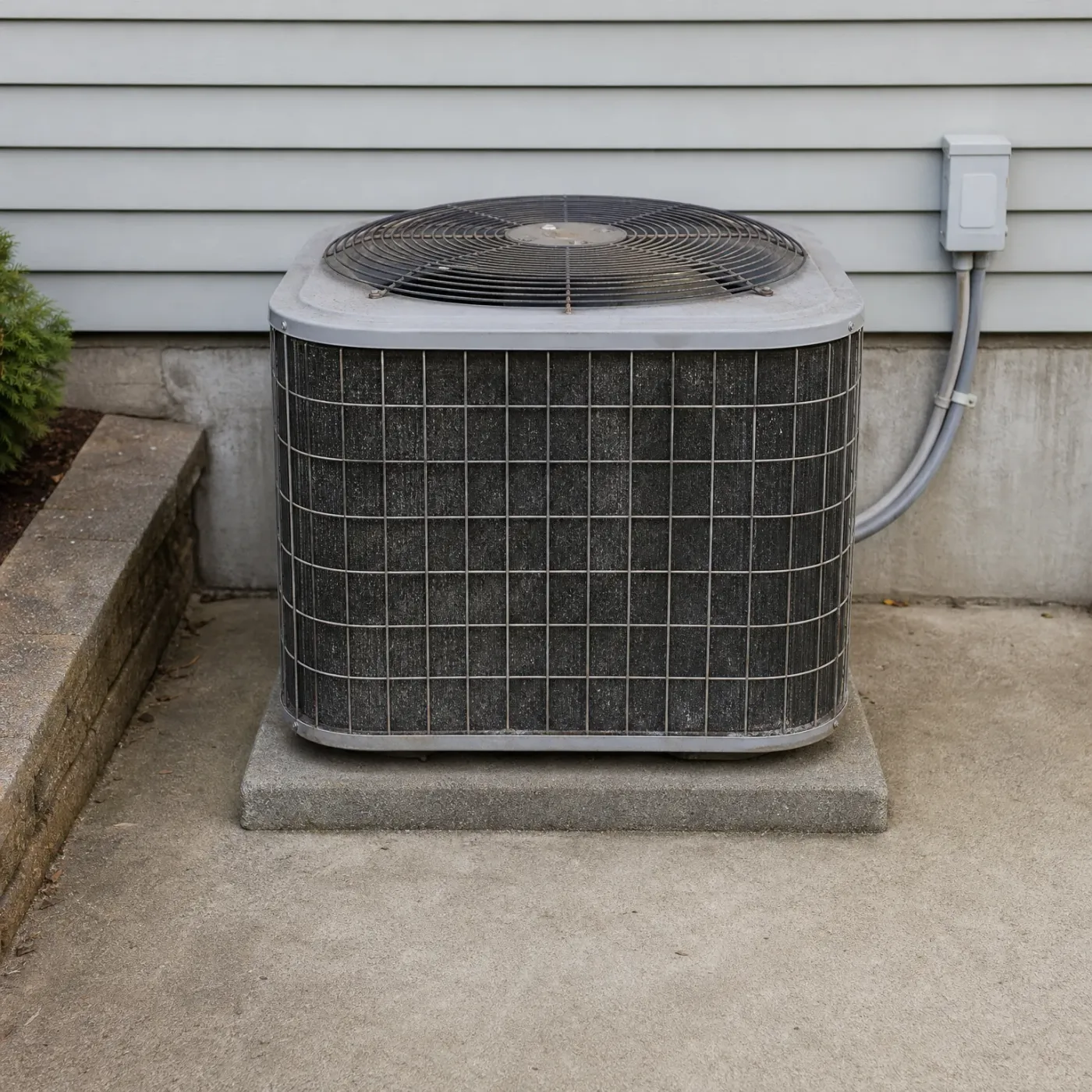
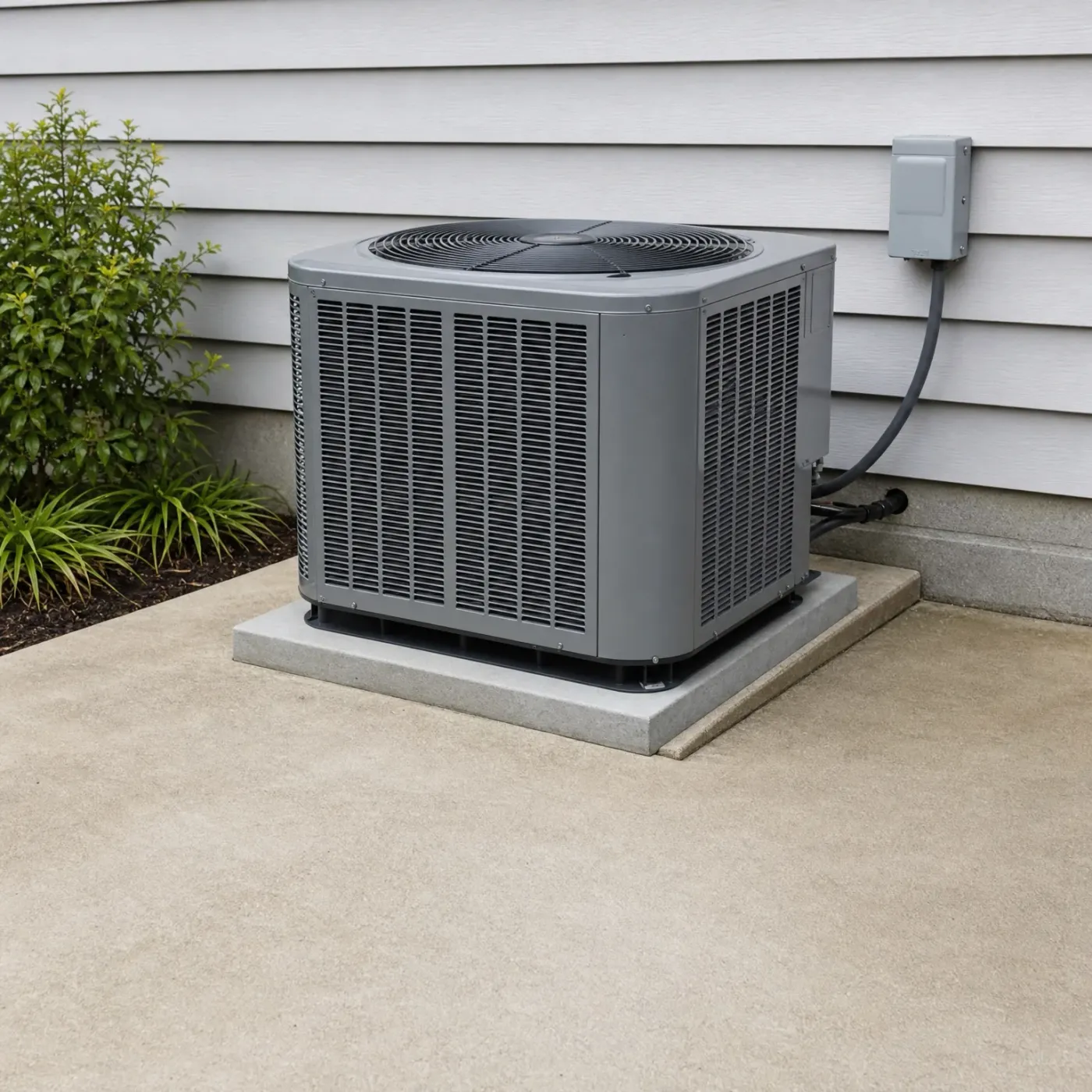
This is what a healthy unit looks like: clean grille, clear space around the pad, the line set intact running up to the disconnect. If yours looks like this and holds the temperature you set, it's doing its job, whatever its age.
Your AC in Fort Lauderdale runs most of the year, and when it starts struggling, you feel it fast in this humidity. Maybe it's cycling more than it used to, or the bill crept up, or a contractor already told you the repair costs more than it's worth. Figuring out whether to fix it or replace it means calling around, explaining your system to each one, then sitting with quotes that don't match up. That's the part that eats your evenings. Answer a few questions about your home and your AC, and you'll be matched with a contractor who handles installations in Broward County and knows what a system here is up against. They'll reach out to you directly. No more tracking down estimates on your own or repeating the same details to a third company. You still make the call on repair or replacement. You just make it with someone who actually looked at your situation, not a list of strangers you had to vet yourself.
Most AC units in Fort Lauderdale need replacing between 10 and 15 years old, and in this humidity, many don't make it past the higher end of that range. The compressor works harder here than it would somewhere with a real winter, because the system barely gets a break from April through October. Once a unit passes 10 years, repairs tend to come more often and cost more each time, since parts for older units get harder to find. The clearer sign is the pattern: if you've called a contractor out twice in the same year, or the last repair quote ran close to what a new system costs, the unit is telling you something. A system that still runs fine but struggles to keep the house cool on the muggiest days is also worth a look, since that's usually a sign it's losing capacity rather than something fixable. If your unit falls in that age range and you're seeing any of this, it's worth having someone look at the whole system, not just the part that broke.
Your AC turns on in March here and doesn't really stop until November. That's close to nine months of regular cycling, sometimes longer if the fall stays warm. A system in a place with a real winter gets months to sit idle. Yours doesn't get that break. The compressor logs far more hours over its life, and more hours means the wear that ends a compressor's life shows up sooner, not later.
Pulling moisture out of the air is a separate task from cooling it, and in Broward County the air is heavy with moisture most of the year. An aging system that's lost some capacity will often still cool the room while it falls behind on humidity, so the house feels damp even when the thermostat reads the right number. That gap between what it's supposed to do and what it's actually doing is a sign the unit is nearing the end, even before it fails outright.

You'll likely notice it in the bedrooms first, the ones farthest from the air handler, not holding temperature the way they used to. Or the system runs through the afternoon and never quite catches up, so the house sits a few degrees warmer than the thermostat says it should. Humidity is the other sign. If the air inside feels damp even with the AC running, the unit isn't pulling moisture out the way a healthy system does, and in Fort Lauderdale that shows up as musty closets and windows that sweat.
None of that tells you on its own whether to repair or replace, and guessing wrong either way costs you. That's a judgment call worth getting from someone who can look at your specific unit, your ducts, and what you're paying to run it, rather than a rule of thumb. Getting matched with a contractor who knows the area means you skip the part where you call around, describe the same symptoms three times, and try to compare quotes that aren't quite measuring the same thing.

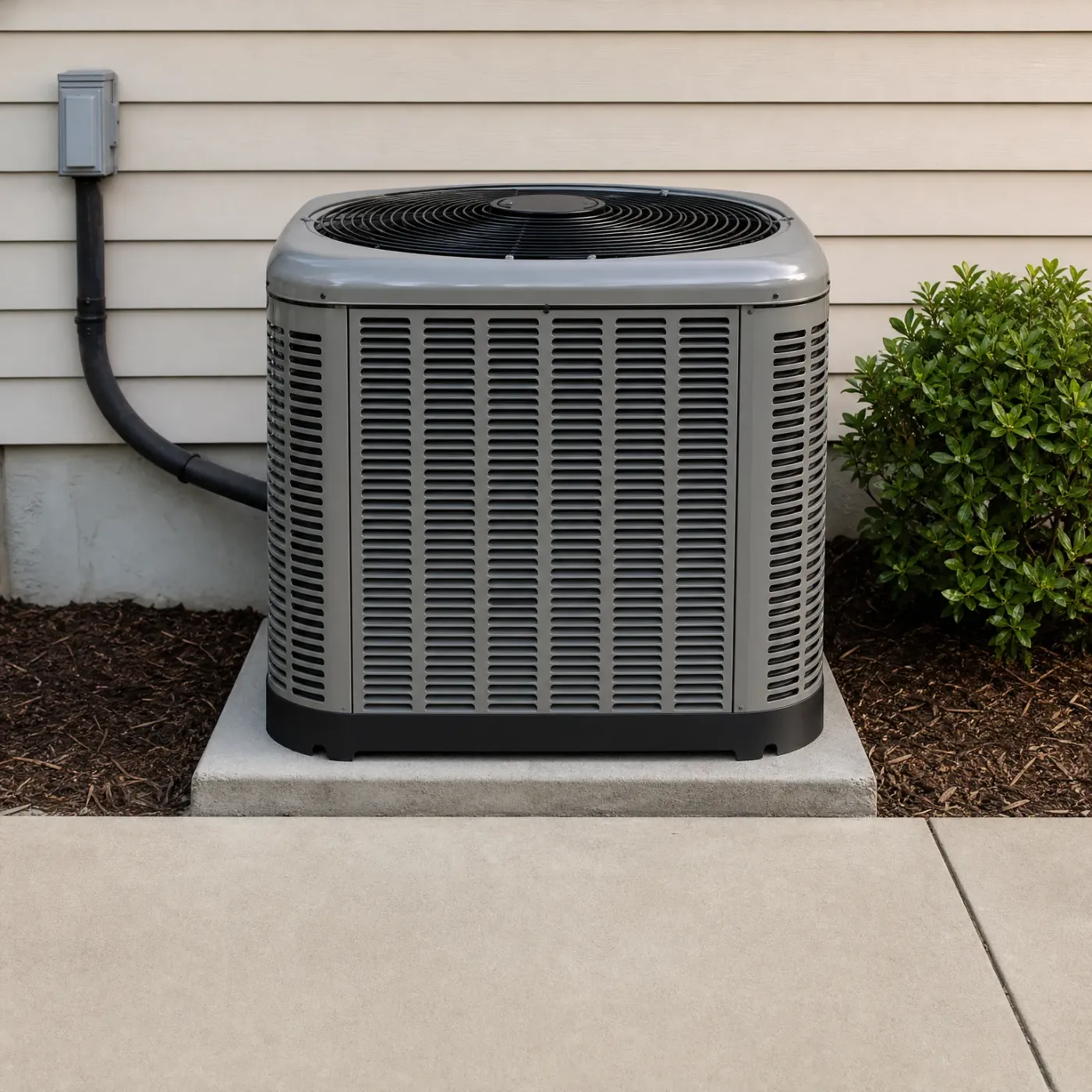
This is what a healthy unit looks like: clean grille, clear space around the pad, the line set intact running up to the disconnect. If yours looks like this and holds the temperature you set, it's doing its job, whatever its age.
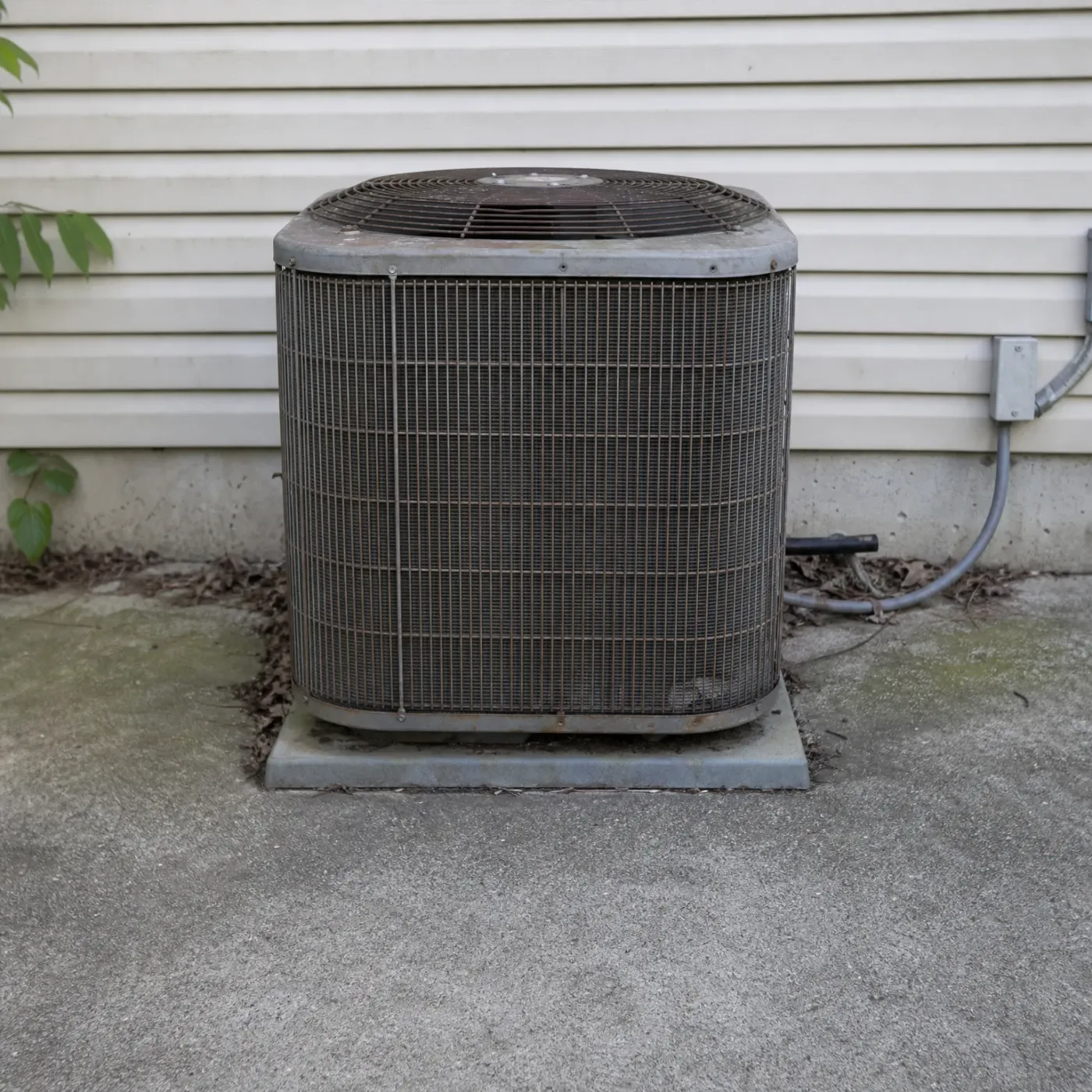
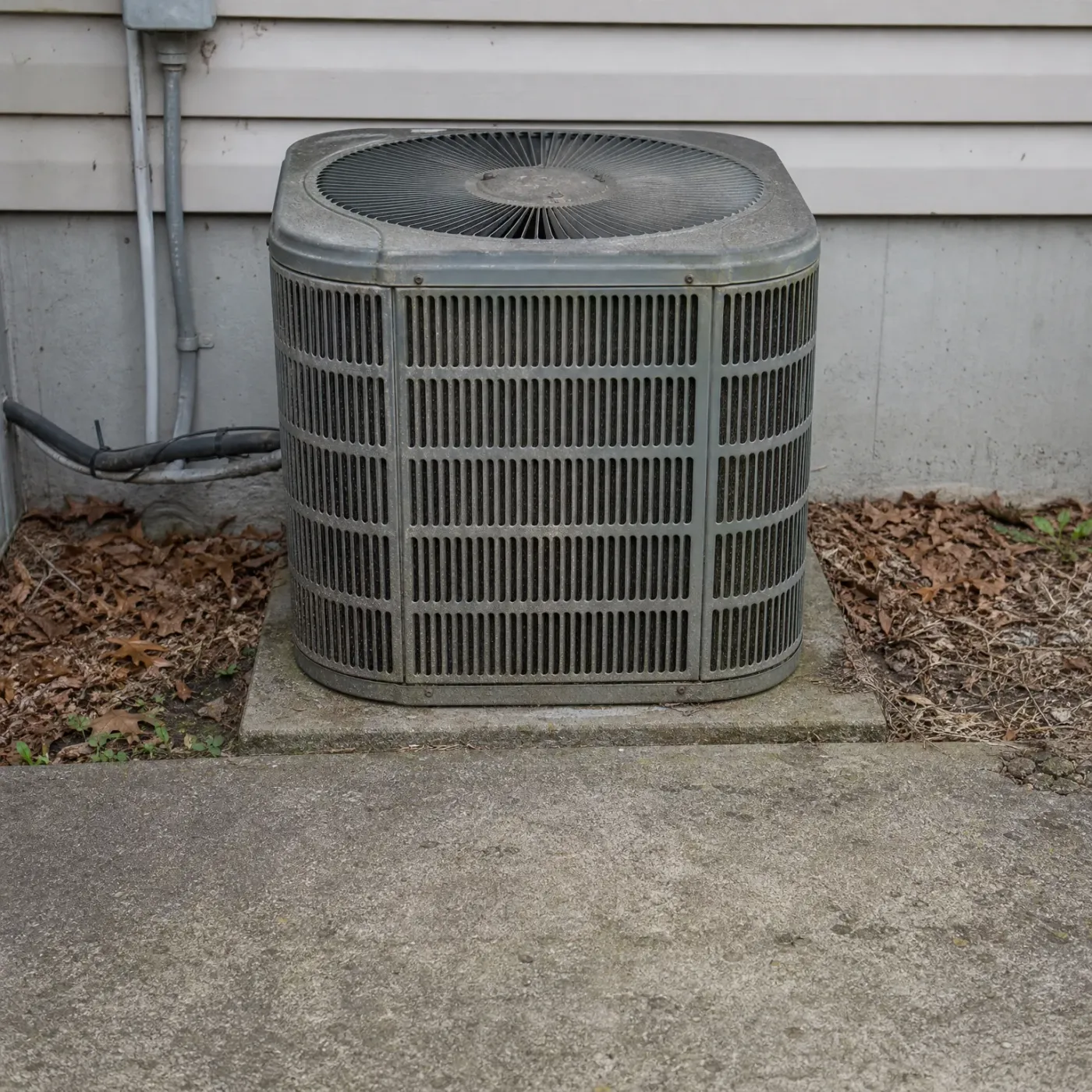
Dirt caked on the grille, leaves piled against the base, years of weather on the metal. A unit in this shape is working harder to move the same air, and in Fort Lauderdale's humidity that strain shows up in your bill before it shows up as a breakdown.
Skip searching for an air conditioner pro and answer a few questions instead.
Your request goes to a Broward County pro who takes air conditioner jobs.
It costs nothing to send, and you don't have to hire anyone.




Your system moves heat, it doesn't make cold. Refrigerant picks up heat from the air inside at the evaporator coil, then carries it outside to the condenser, where the outdoor fan has to pull enough air across that coil to get rid of it. The compressor, sealed inside the outdoor unit, is what pushes the refrigerant through that whole loop, and it's the single most expensive part to replace if it fails on its own. Because the system is sealed, refrigerant shouldn't run low on its own. If yours is low, there's a leak somewhere, usually in the coil or the line set, and adding refrigerant without finding it just buys a little time. A dirty or undersized return works against the same loop, forcing the air handler into longer cycles to move the air it needs. And once the compressor's windings start breaking down from years of heat and run time, you'll see it as a tripped breaker or a hum that never turns into a start.
At 14.62 cents per kilowatt-hour, an aging AC shows up on your bill before it shows up anywhere else. A compressor that's lost efficiency pulls more power to do the same job, and with the system running most of the year here, that difference adds up fast.
EIA-861 2025


Age alone doesn't retire an AC in Fort Lauderdale. Ten to fifteen years is the window where most units start to fail, but the real test is what the system is doing right now. One that holds the temperature you set, with steady airflow and no strain at the pad, is still earning its keep no matter the year it was installed. One that short cycles, leaves certain rooms warm, or has pushed your power bill up without an obvious reason is telling you it's losing ground, and that pattern tends to continue once it starts. The compressor is what separates the two outcomes. If it's failing, you're looking at replacement. If it's something else, a repair might still make sense, and that's a judgment a contractor makes after seeing the unit, not something to guess at from the bill or the sound it makes.
What usually eats the time isn't the decision, it's getting to someone who can make it with you. Calling around, describing the same symptoms to three different companies, waiting on quotes that are hard to compare because they're not quoting the same thing. That part isn't necessary. Getting matched with a contractor who already has the details of your situation means the conversation starts where it should, with your AC and what it's actually doing, not with you explaining yourself from scratch again.
One form replaces the calls you'd make to find an air conditioner pro.