

Year-round runtime
AC here works nearly every month, not just a few weeks of summer. That steady load is why a unit in Fort Lauderdale often falls short of what it could reach elsewhere.
You've had the same air conditioner for a while now, or maybe you just bought a house and want to know what you're working with. In a place where the AC runs for most of the year, you want a real number, not a guideline written for somewhere with actual winters. What you're really asking is whether yours is near the end, and what that means for your summer.
That's shorter than the 15 years you'll see quoted in national guides, and the reason is how hard the system works here. Summers are long and muggy, so the compressor runs for stretches that systems in milder climates never see. More run hours wear the compressor, the coil and the fan motor down faster, even with regular maintenance. If your system is already past 10 years, it's done more work than that age suggests, and breakdowns tend to show up in the hottest months, right when you need it most. A system still running at 12 or 13 years is worth having checked rather than assumed fine, since the cost of running an old, inefficient unit through a Florida summer adds up on its own.




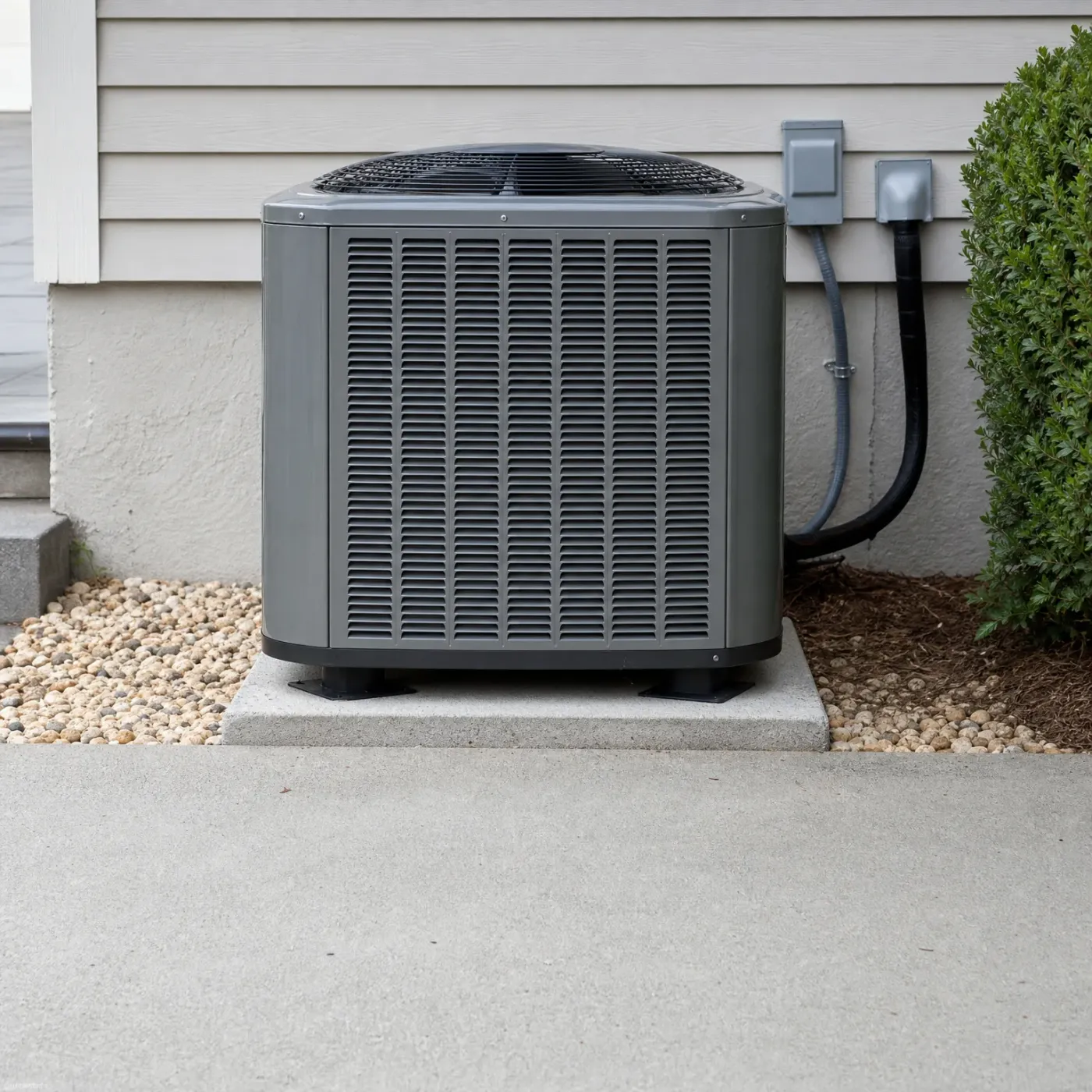
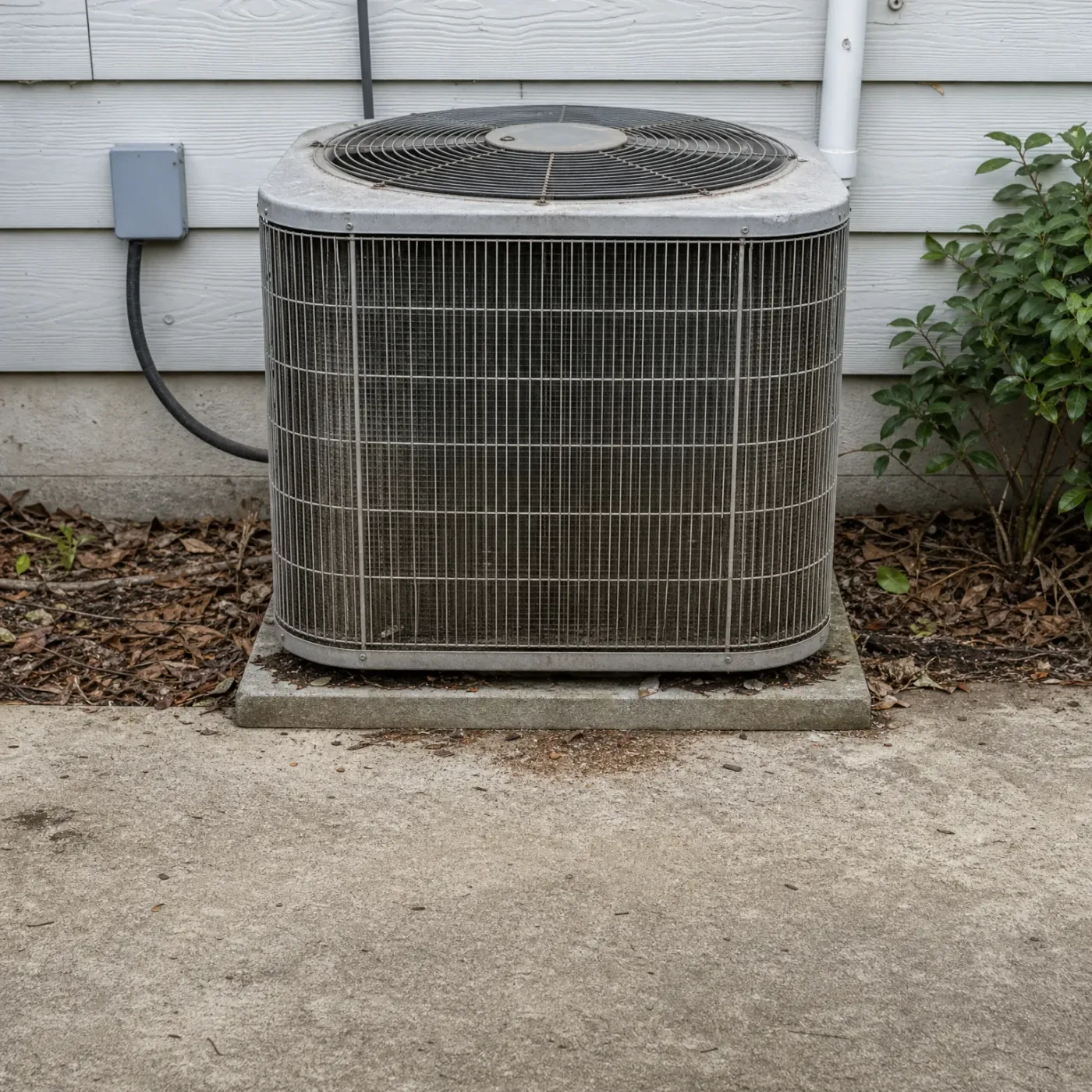
In your house, that shorter lifespan shows up as a system that cycles on and off more in July and August, when the compressor is leaning hardest into the heat and humidity outside. You'll likely see the electric bill climb a year or two before anything actually breaks, since a unit nearing the end of its life has to run longer to hit the temperature on your thermostat. Then it's a repair call, maybe two, and the question of whether to fix an old unit or replace it. An AC that's pushed past what it should have lasted tends to fail at the worst time, during a stretch of 90-degree days when every other unit on your block is also working hard and contractors are busiest. A unit that made it through a full lifespan without strain, on the other hand, usually gives some warning first, weaker airflow, longer run times, before it quits for good. That's the difference between replacing it on your schedule and replacing it on its.


AC here works nearly every month, not just a few weeks of summer. That steady load is why a unit in Fort Lauderdale often falls short of what it could reach elsewhere.
A system sized and set up correctly for your house runs fewer hours to do the same job. That lower strain is what lets it reach its full years here.
Walk through your house and pay attention to what's actually happening. Some rooms feel cooler than others, especially the ones farthest from the air handler. The system runs longer than it used to before it shuts off, or it short cycles, kicking on and off every few minutes. You notice a musty smell when it first starts up, or water stains on the ceiling near a vent. The outdoor unit hums louder than you remember, or it rattles. Your last electric bill was higher than the one before it, even though the weather wasn't much different. None of this means the unit is finished, but ignored long enough, a struggling system can leak refrigerant, strain the compressor past repair, or leave you without cooling on the hottest week of the year.
Thermostat calls for cooling and signals the system
Compressor outside starts pulling in refrigerant gas
Refrigerant compresses, heats up, and flows to the outdoor coil
Outdoor coil releases that heat into the Fort Lauderdale air
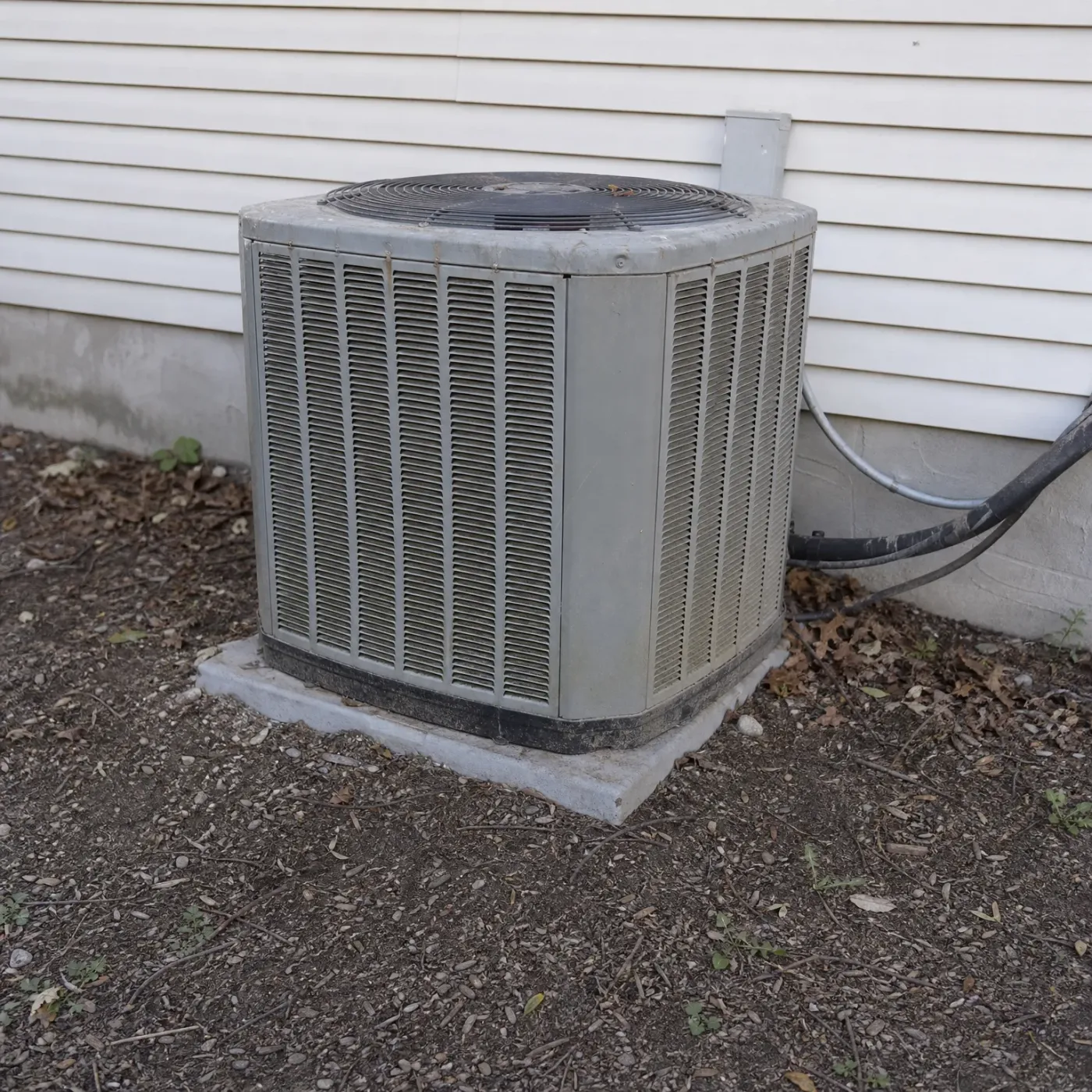
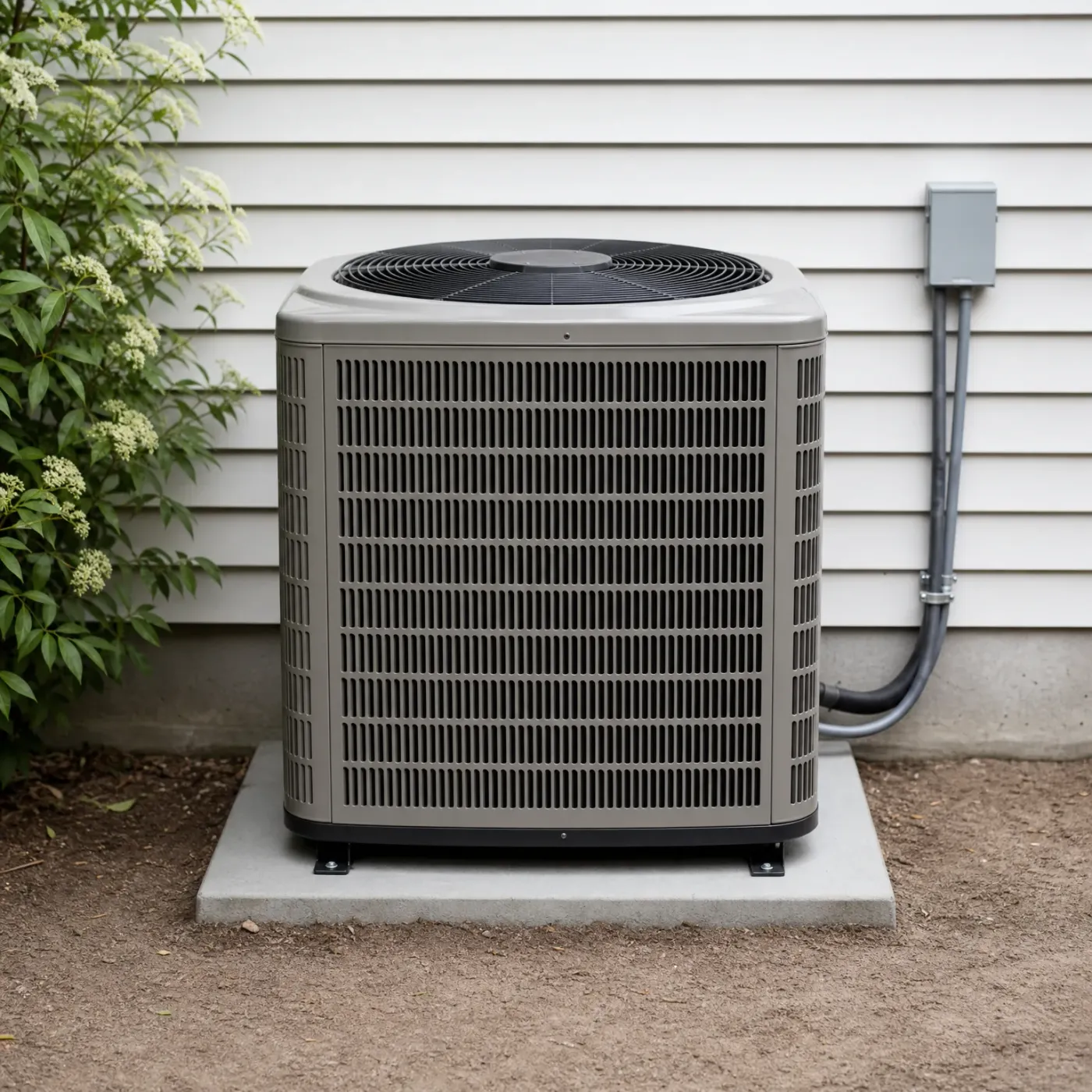
If what you walked through upstairs matches what's been described here, the unit is telling you where it stands. An aging system in Fort Lauderdale doesn't fail quietly. It runs longer, pulls more power, and leaves some rooms warmer than others while it struggles to keep up with the humidity outside. None of that gets better on its own. A new install, sized right for your house and set up by someone who works on this equipment all year in this climate, is what actually resets the clock. That's not a job to piece together from a list of names and hope one calls back without crowding your phone with quotes. Send the request once, and a licensed contractor local to the area, who already knows what fails first in homes like yours, takes it from there. You get back to your day, and the next call you get is about fixing it.
Keep running an old unit and you're betting on a compressor that's already worked harder, year after year, than one up north ever would. When it goes in August, you're without cooling until someone can get out to replace it.
Replace it on your schedule, before it fails, and you pick the day. A properly sized, properly installed system goes in once and runs the years it's supposed to, instead of limping through its last summer.
At 14.62 cents per kilowatt-hour, an aging AC that's lost efficiency costs you more every month it keeps running, not less. A unit near the end of its life pulls more power to do the same job, and in a house that runs cooling nearly year-round, that difference shows up on every bill you get.
EIA-861 2025
An AC running nearly every month of the year in Fort Lauderdale wears down faster than the same unit would somewhere with a real winter. That's the plain fact behind everything else on this page. What stretches a system toward the upper end of its range is straightforward: clean coils, the right refrigerant charge, and an install done correctly from the start. What shortens it is heat load that never really lets up, dirt and debris left to build, or a system that was undersized or installed wrong from day one. You don't need to guess which category yours falls into. Longer run times, a higher power bill for the same results, and rooms that cool unevenly are the system telling you where it stands.
If your unit is already showing those signs, the time to deal with it is now, on your terms, not in August when it finally gives out and you're sitting without cooling until someone can get to you. A contractor who works on AC systems in this area all year has seen what fails first in homes dealing with this kind of heat and humidity, and knows what a correct install needs to hold up against it. Send the request once and it goes to one licensed local contractor, not a handful of companies competing for the job. That's one call to coordinate with, from someone who already knows the conditions this equipment runs in here.




A licensed pro who works in Broward County gets your request.
Sending the form costs nothing.