Send the request today and let an air conditioner pro reach out to you.
You go to turn on the AC and nothing happens. No hum, no click, no air. In St. Petersburg, that's not something to sit with. The house heats up fast, and a stuck afternoon with a dead system is miserable for anyone, especially if there are kids, older family, or pets in the house.
Thermostat dark, or a reading on it that doesn't change anything. A breaker that trips again as soon as you reset it. A faint click from the outdoor unit and then silence. Whatever you're seeing, it points to something specific, and that's a job for someone who already knows what tends to fail on these systems after a Florida summer.
That's where this helps. Fill out the form and a licensed contractor local to Pinellas County takes it from there. Not a call center, not a list of five companies bidding for your number. One contractor, someone who works on AC systems in this area all year and has a good idea what's going on before they even pull up to your house.
From there, it's off your plate. You're not the one calling around, explaining the problem over and over, trying to figure out who's legit. You already did the hard part by sending the request. Now it's a matter of waiting to hear back, not chasing anyone down.
Summers here don't give you much room to wait on a broken AC. The quicker it's looked at, the sooner the house is livable again. Below, the common reasons an AC won't start at all, and what each one usually means for you.
Why won't my AC turn on at all?
You hit the thermostat and the AC gives you nothing. Not even a click from the outside unit. Around St. Petersburg this usually points to one of two places: the power getting to the system, or the thermostat telling it to run at all. A breaker can trip without you noticing, and a thermostat can lose its own power or its settings without the screen going dark.
Usually a tripped breaker, a dead thermostat, or a blown fuse at the outdoor unit
Check the breaker panel first. Central AC usually sits on a double breaker, and if it's tripped, flip it fully off before switching it back on. If the breaker holds and still nothing happens, the thermostat may need new batteries, or it may have lost its program. Outdoor units also have their own disconnect box with a fuse or breaker inside, and a blown fuse there will stop the whole system cold even though the thermostat looks fine. Power in Pinellas County isn't cheap, so a unit that trips breakers repeatedly is worth having looked at rather than reset again and again, since that usually means something underneath is drawing more current than it should.
1
Thermostat calls for cooling and sends power to the contactor
2
Contactor pulls in and sends power to the outdoor unit
3
Capacitor gives the compressor and fan motor the jolt to start
4
Compressor and condenser fan run together to begin cooling the house
Hand off the air conditioner problem
A licensed pro who repairs air conditioners in Pinellas County gets your request.
Send the request today and stop worrying about who to call.
No charge to send it. You decide if you hire them.
What To Try, What Needs A Pro
Check yourself
Look at the breaker panel. A tripped breaker for the AC is common after a storm or a power blip, and resetting it is free.
Check the thermostat screen. If it's blank, the batteries might be dead, and swapping them takes a minute.
Look at the outdoor unit for a reset button or a float switch nearby. A full condensate pan will shut the whole system down on purpose.
Check if a disconnect switch near the outdoor unit got bumped or left open. It's an easy thing to miss.
If the breaker trips again right after you reset it, stop. That means something downstream is drawing too much power.
Call a contractor
The breaker holds but the unit still won't run. That points to a bad capacitor, a failed contactor, or a wiring issue past what you can see.
A contractor working in Pinellas County sees this same failure pattern all summer and knows which part usually gives out first.
Opening the outdoor unit means touching live electrical connections, and that's not worth the risk without the right tools.
One contractor means one visit and one diagnosis, not a string of calls while your house sits at 85 degrees.
If the condensate pan keeps filling and tripping the safety switch, something upstream needs fixing, not just resetting.
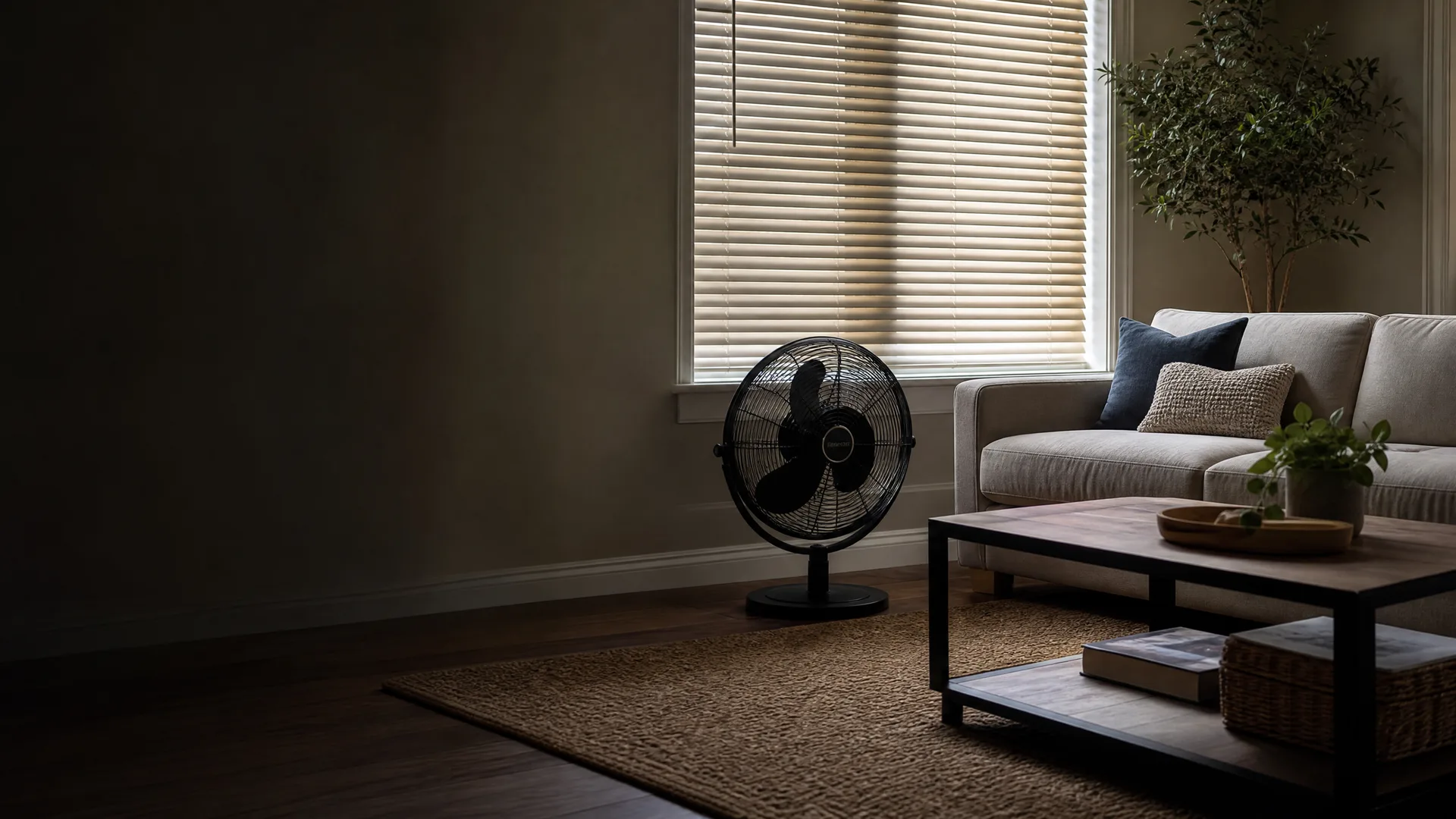
By three in the afternoon the blinds are shut against the sun and the floor fan next to the couch is doing what it can. You tried the thermostat an hour ago and the house hasn't moved off eighty-four since. The dog's stretched out on the tile because it's the coolest spot left. Outside the unit sits quiet, no hum from the compressor, nothing. You keep catching yourself listening for it anyway, waiting for the sound that means the air's about to start moving again. It doesn't come. The fan just pushes the same warm air around the room, and the light through the blinds keeps the afternoon bright and still.
What's going on in your house right now
The rooms away from fans are already warmer than the rest. Windows that get afternoon sun are starting to feel it first, and anything upstairs is worse. You've probably checked the thermostat more than once, hoping it says something different. The outdoor unit sits there silent, no hum, no fan turning. If anyone in the house is older, very young, or has a health condition that doesn't do well with heat, a few hours of this matters more than it would otherwise. Food in the fridge is fine for now, but a St. Petersburg afternoon with no AC running can push a house into the high eighties before dinner, and it won't cool back down on its own.
Running the way it should
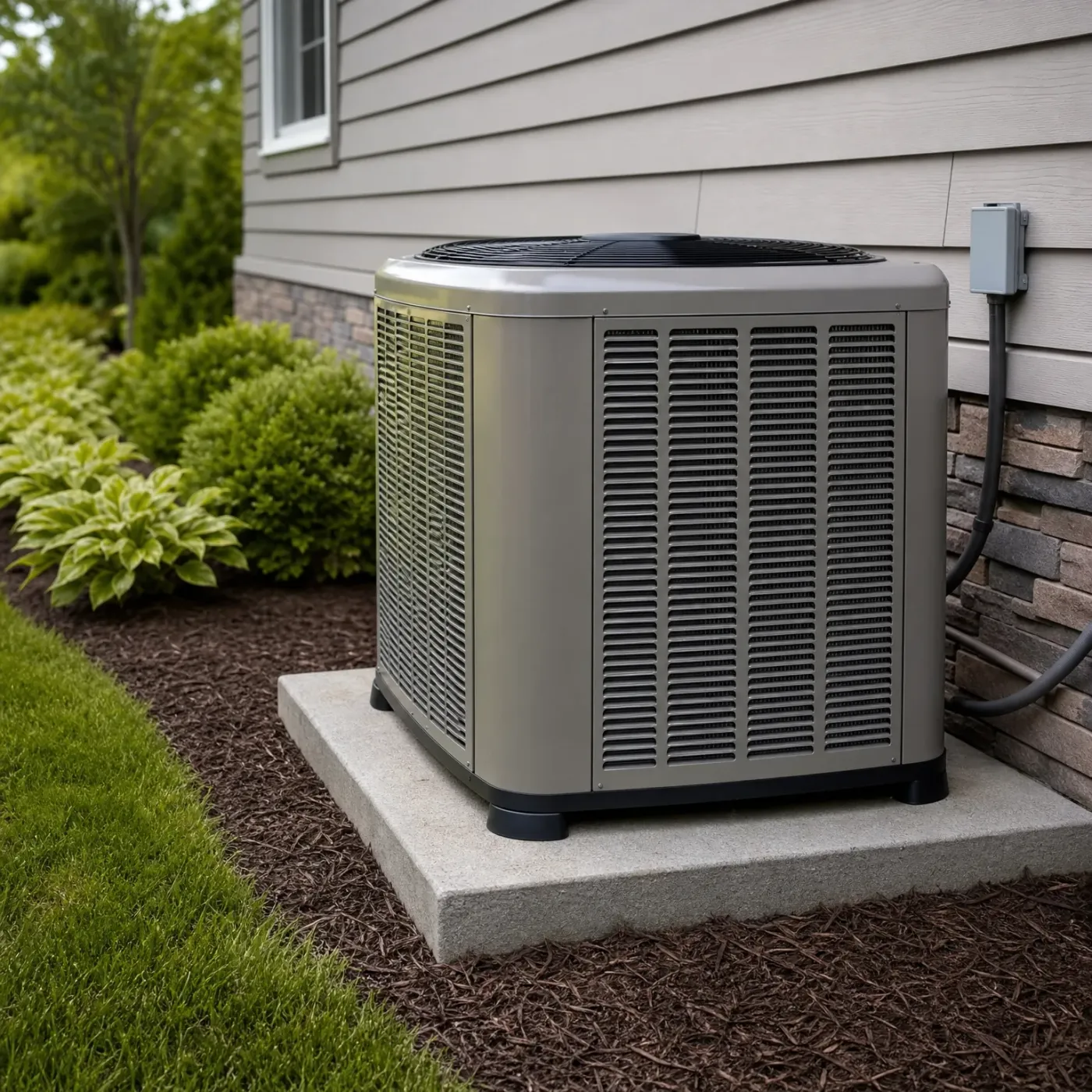
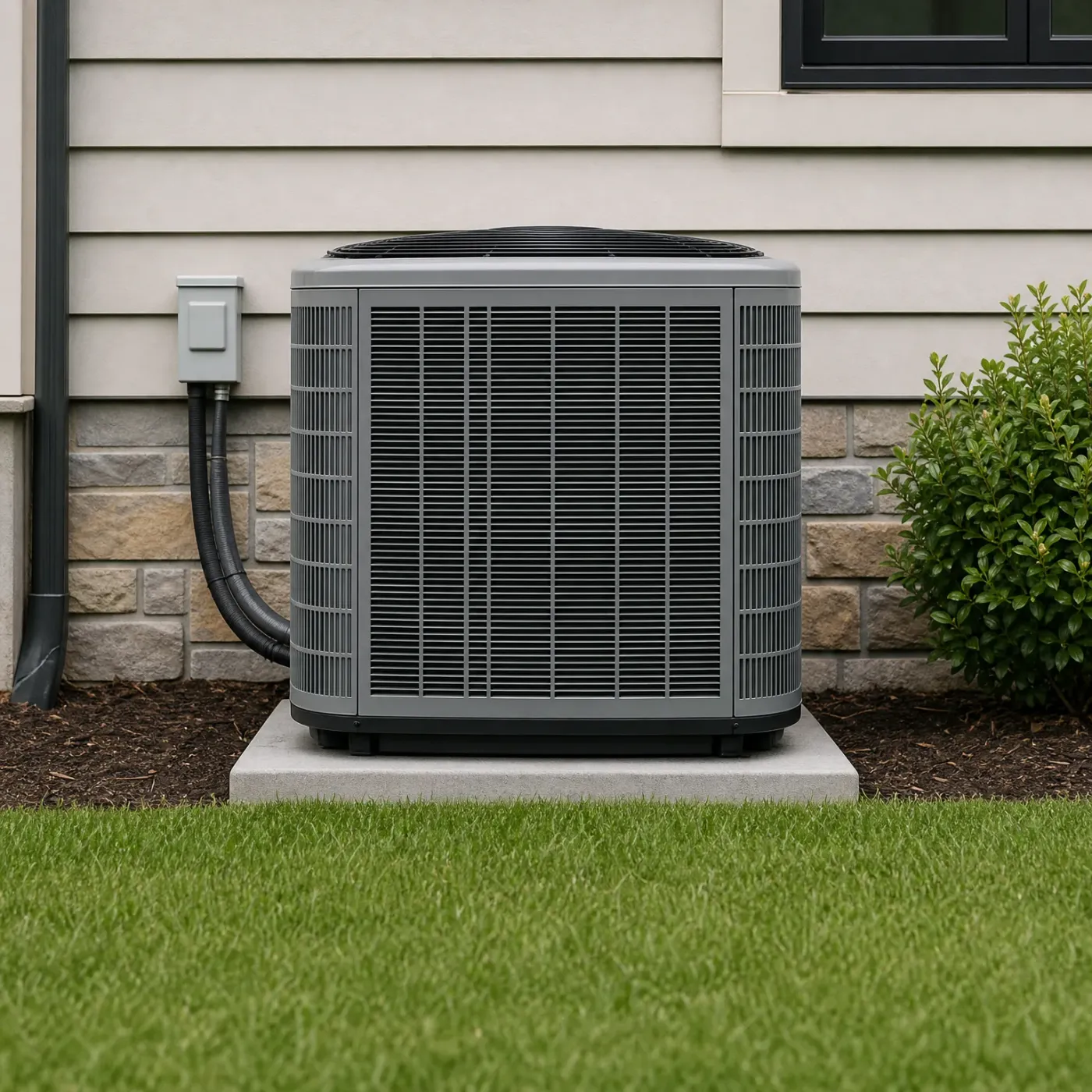
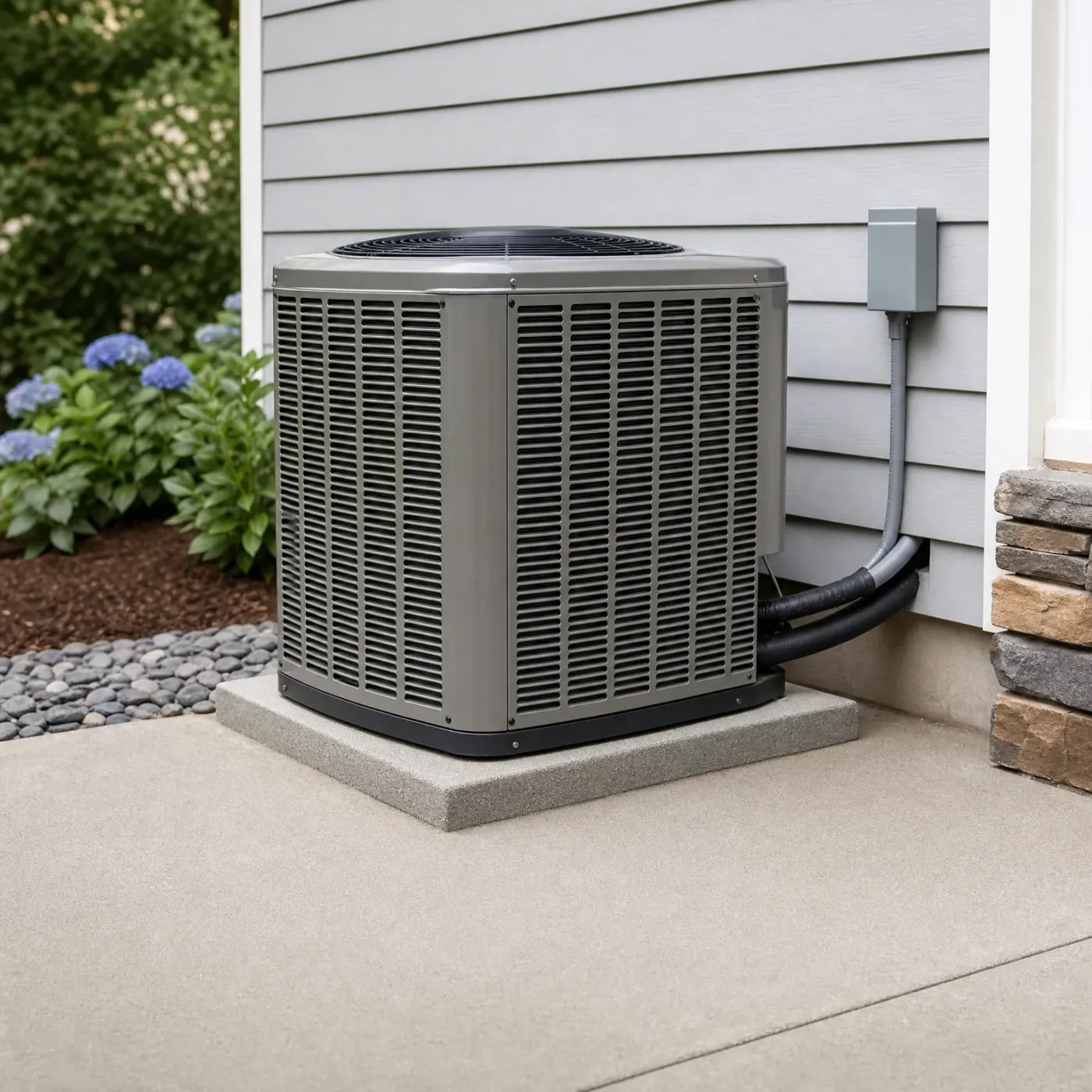
The outdoor unit sits quiet except for the low hum of the compressor and fan working together. The cabinet is clean, the disconnect box beside it is intact, and the whole setup stays put on its concrete pad next to the house. Air comes out the vents cold.
Signs something's wrong
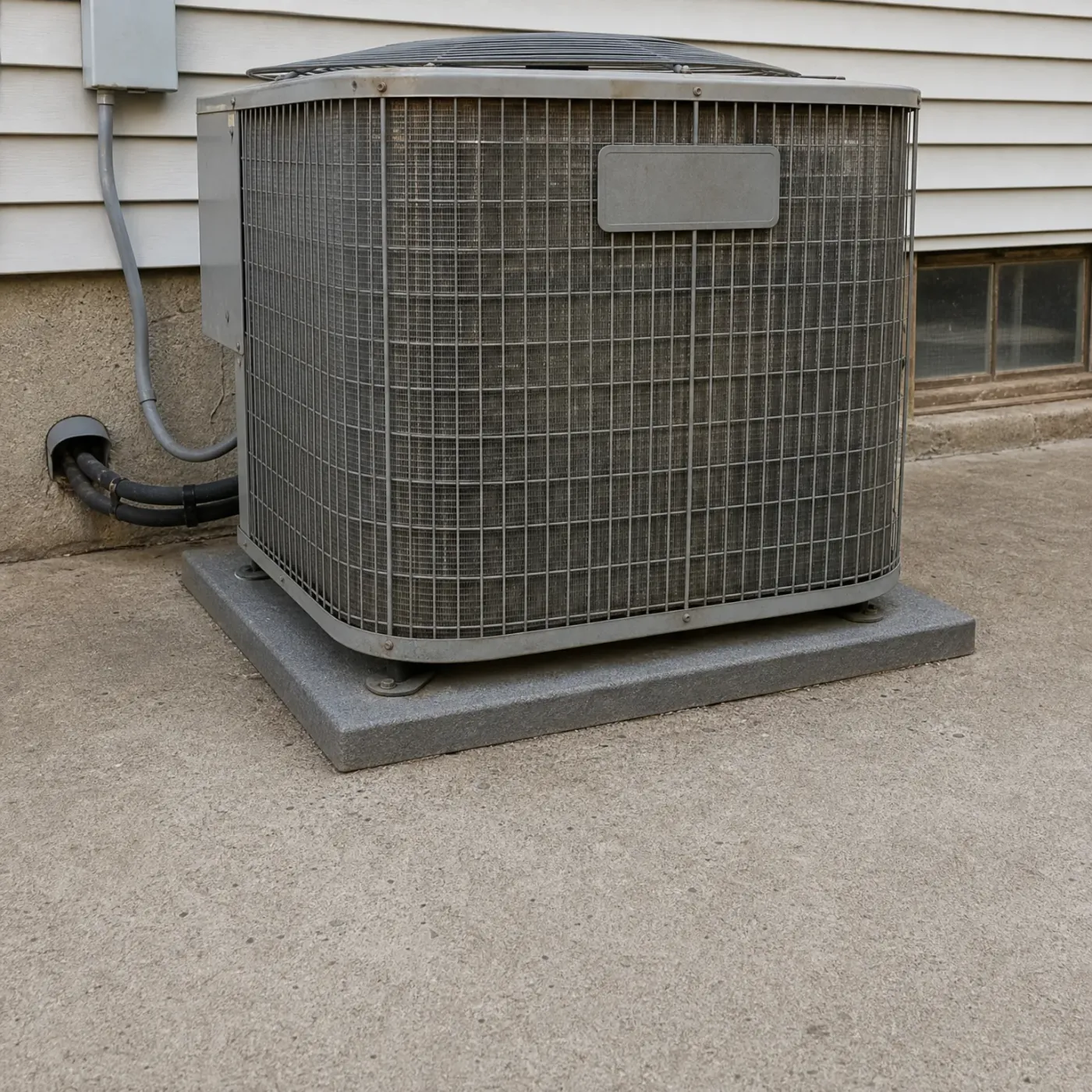
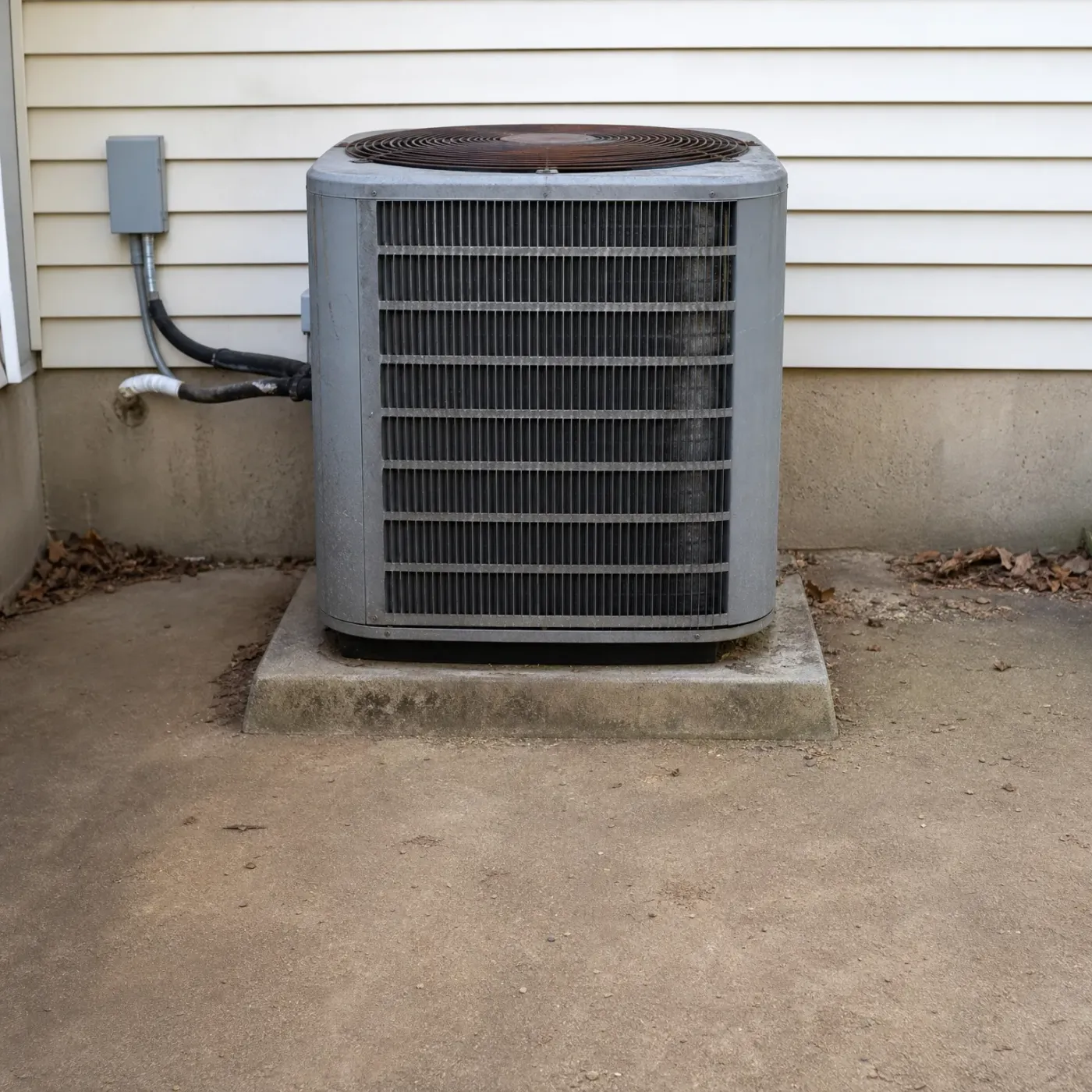
Dust and grime have built up over the wire mesh, and the cabinet looks like it's been ignored a while. A unit that's sat dirty like this for seasons is more likely to trip on heat, short out at the contactor, or stop pulling power through the conduit altogether.
Before you get your air conditioner repairAfter you get your air conditioner repair
Cooling runs March through December
Your AC in Pinellas County runs about ten months of the year, March through December. With that little downtime, a system left sitting dead for even a day or two means the heat catches up with the house fast, and small problems rarely stay small once the unit's back on.
NOAA nClimDiv 1991-2020
A dead AC usually comes down to a tripped breaker, a dead thermostat battery, or a failed part like a capacitor or contactor, and once you know which one it is, the fix follows. If the breaker won't stay reset or the thermostat is live but nothing outside responds, that's a job for someone who can test the system safely rather than guess at it. A local contractor who works on AC systems around St. Petersburg all summer has seen this exact no-power, no-click problem plenty of times, often on the hottest, most humid days when units are pushed hardest. You'll be matched with one contractor, not a handful calling at once, so you're dealing with one licensed pro who takes the time to find the actual cause instead of just swapping parts. That's worth something when the house is heating up and you want it looked at once, correctly.
It's off your list after this
A licensed pro who works in Pinellas County gets your request.