Tell us about the job
Takes about a minute. No obligation.
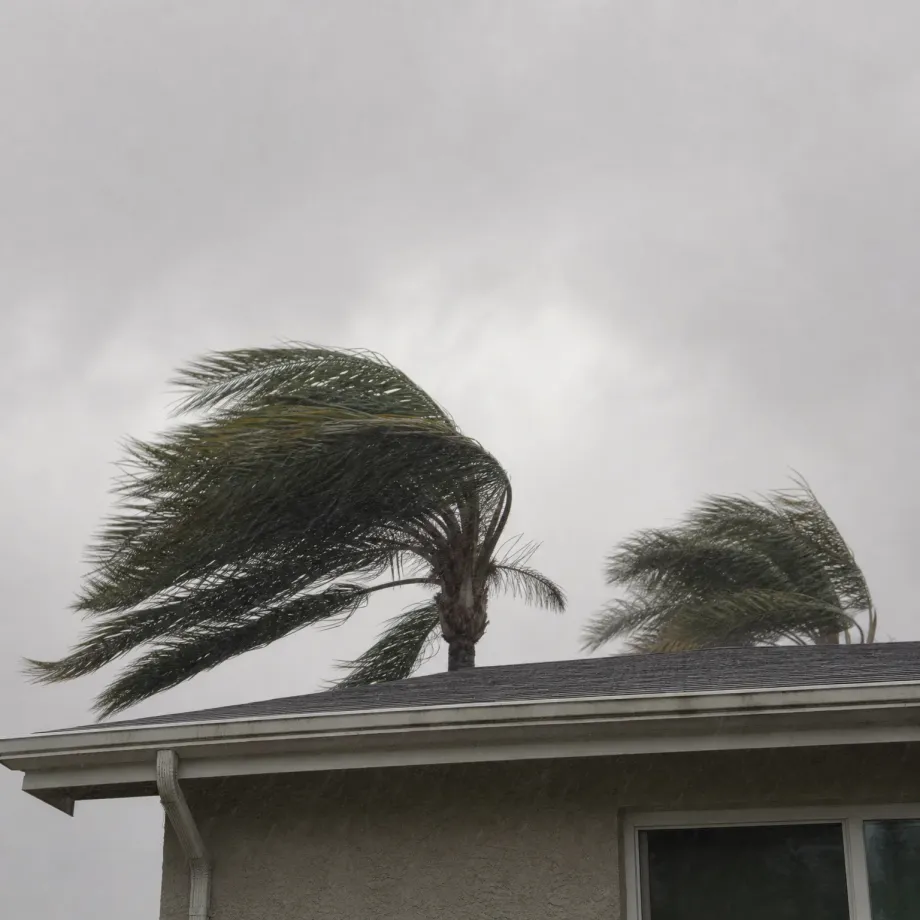
A contractor called out to repair a central AC system in Pinellas County is working out what the equipment has already been through, not just what stopped working yesterday. 157 severe weather events were recorded in Pinellas County, Florida between 2015 and 2024. At that rate, severe weather is part of the normal operating life of every system here, and the components that absorb electrical and thermal stress, capacitors, contactors, and compressor windings, are what a contractor checks first. A failed capacitor in a county with a record like this is not a surprise finding. It is the expected one.
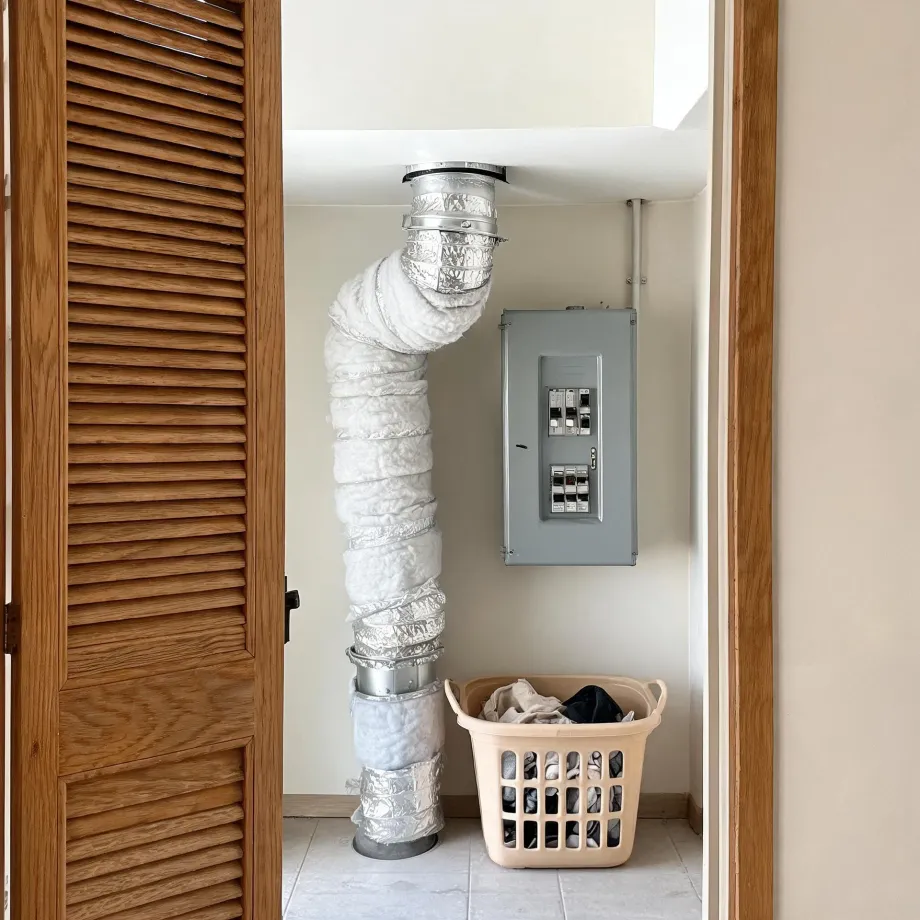
Ductwork run through a house this old has already been adapted once, possibly more than once, to carry equipment it was never sized for originally. What a contractor finds when they open a failed central AC unit here is a mechanical answer: a capacitor that has given out, a contactor burned through, a coil that has fouled past recovery. Half the homes in Pinellas County, Florida were built in 1977 or earlier (2020-2024 ACS 5-year). That age shapes what a system has been asked to endure through summers of hard runtime, but the repair itself turns on what the opened unit contains and whether the parts it requires are still in production.
The Parts of a Central AC a Contractor Checks During Repair
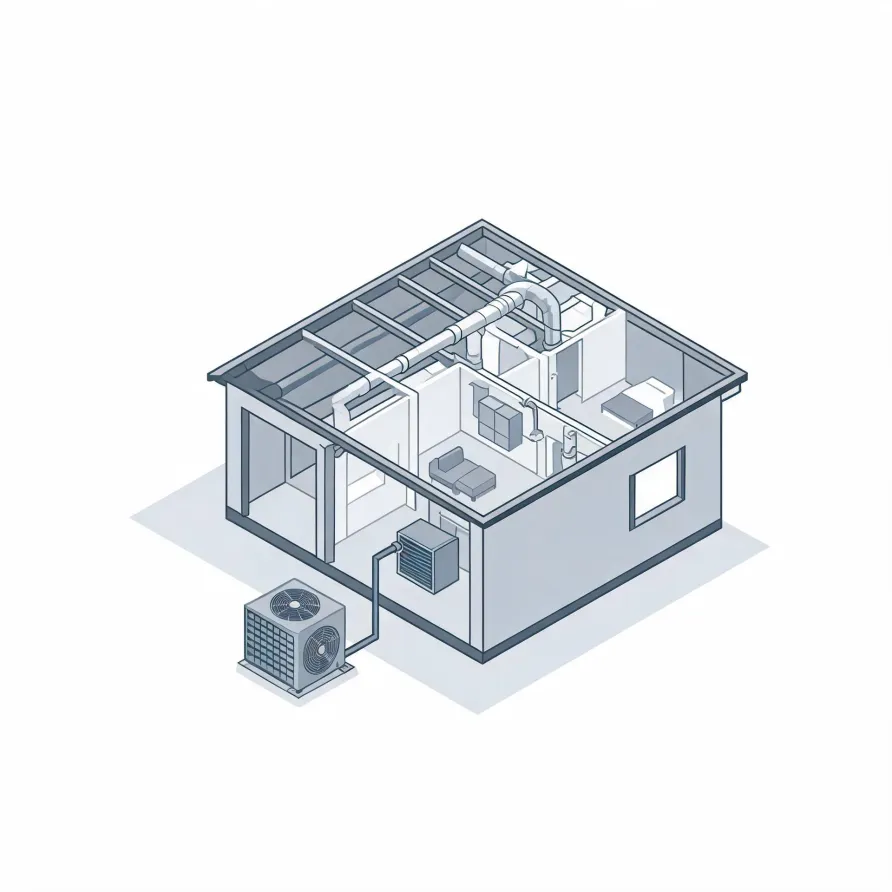
The outdoor condenser unit sits outside the house, usually on a concrete pad at ground level, and houses the compressor and condenser coil. These are the parts a contractor goes to first when a system is blowing warm air or not running at all. The compressor is often where a refrigerant or mechanical fault shows itself.
Inside the house, the air handler holds the evaporator coil and the blower that moves air through the system. The evaporator coil is a common source of ice buildup and refrigerant leaks. The blower motor and the expansion valve are also checked when airflow or cooling performance is off. A thermostat, mounted on a wall, tells the whole system when to run and is checked when the problem is timing or control.
The drawing shows the standard layout of a central AC system, and a licensed contractor determines which components need attention in your specific home.
Get matched in Pinellas CountyPinellas County, by the numbers
157 severe weather events were recorded in Pinellas County, Florida between 2015 and 2024.
NOAA National Centers for Environmental Information, Storm Events Database, bulk CSV export, events 2015-01-01 through 2024-12-31.Half the homes in Pinellas County, Florida were built in 1977 or earlier (2020-2024 ACS 5-year).
U.S. Census Bureau, 2020-2024 American Community Survey 5-Year EstimatesPinellas County, Florida holds 520,107 housing units (2020-2024 ACS 5-year).
U.S. Census Bureau, 2020-2024 American Community Survey 5-Year EstimatesOwners occupy 69.5% of the occupied homes in Pinellas County, Florida (2020-2024 ACS 5-year).
U.S. Census Bureau, 2020-2024 American Community Survey 5-Year EstimatesRules & Standards Covering Central AC Repair in Pinellas County, Florida9 sourced rules and standards
What repair work in Pinellas County actually looks like
Split-system central air conditioners rated below 45,000 Btu/h manufactured on or after January 1, 2023 must meet a federal minimum of 13.4 SEER2.
Split-system central air conditioners rated at or above 45,000 Btu/h manufactured on or after January 1, 2023 must meet a federal minimum of 13.4 SEER2.
Split-system central air conditioners manufactured between January 1, 2015 and December 31, 2022 had to meet 13 SEER, the metric that preceded SEER2.
Single-package central air conditioners manufactured on or after January 1, 2023 must meet a federal minimum of 13.4 SEER2.
Space-constrained central air conditioners manufactured on or after January 1, 2023 must meet a federal minimum of 11.7 SEER2.
Federal efficiency standards for split-system central air conditioners and heat pumps are set on each certified combination of outdoor unit and indoor coil rather than on the outdoor unit alone.
Residential and light commercial air conditioning and heat pump systems assembled in the field, including mini-splits and unitary systems, may not be installed on or after January 1, 2025 using a refrigerant with a global warming potential above 700.
A field-assembled system whose specified components were all manufactured or imported before January 1, 2025 carries no installation compliance date under the refrigerant restrictions and may still be installed.
Licensing and Legal Requirements in Pinellas County, Florida
Florida requires a person to be certified or registered in order to engage in the business of contracting in the state.
Severe Weather Events in Pinellas County
Florida's climate puts outdoor HVAC equipment under sustained pressure that most other states do not see. How hard that pressure runs in Pinellas County shapes how often the equipment inside your home needs attention.
157 severe weather events, 2015–2024. Source: NOAA National Centers for Environmental Information, Storm Events Database.