
Get AC Florida

Why your upstairs stays hot in Florida summers

Send the request today and stop worrying about who to call.

Hand off my repair

Why does my upstairs stay so hot in the summer?

You've got the thermostat set to 72 and the downstairs feels fine, but the second floor still feels ten degrees warmer by afternoon. You've checked the vents, maybe closed a few downstairs to push more air up, and it still doesn't cool down the way it should. It's not just you being warm-blooded, something about how the house handles heat is working against the upstairs specifically.

Your system can't keep up with the heat that collects upstairs

Heat rises, and in a Florida summer the sun is also beating straight down on the roof all day, so the upstairs is fighting heat from two directions at once while the thermostat downstairs reads a comfortable number and tells the system to rest. One thermostat, one reading, and the upstairs loses. Add in ducts that may run a longer path to reach the second floor, and by the time cool air gets up there it's had more chances to pick up heat along the way. A single system sized for the whole house often can't push enough air upstairs fast enough to offset what the roof is adding, especially by mid afternoon when the sun has been on it for hours.

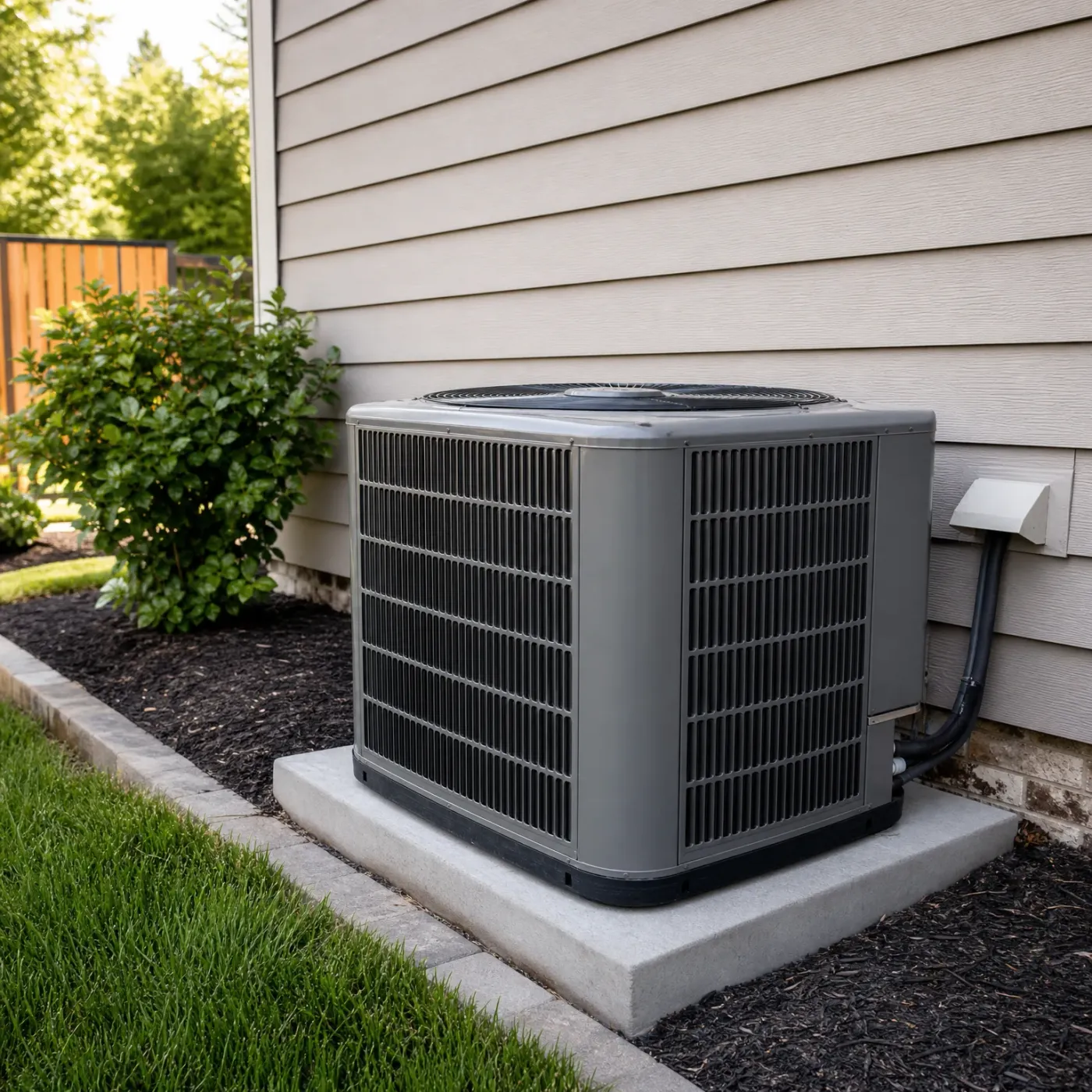
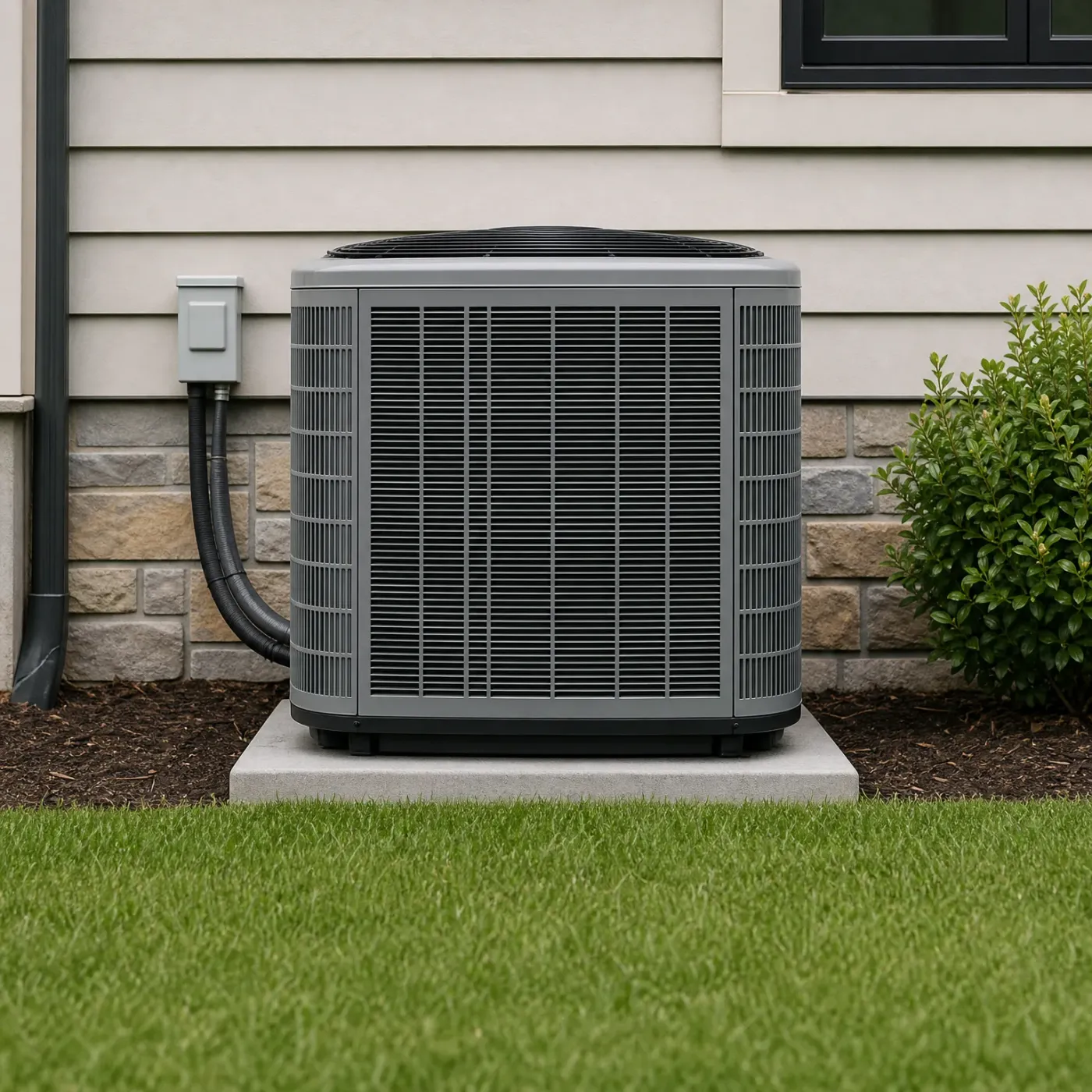
A gray outdoor air conditioning condenser unit on a concrete pad beside a house with horizontal lap siding and a stone veneer base, with a disconnect box and conduit on the wall, mulch bed and shrub to the right, and mowed grass in the foreground.

System Keeping Up

The condenser outside runs clean, with good airflow through the coil and the fan clearing the air around it without strain. Upstairs still lags behind downstairs some, especially by afternoon, but it catches up once the sun drops. That gap alone doesn't mean anything is wrong.
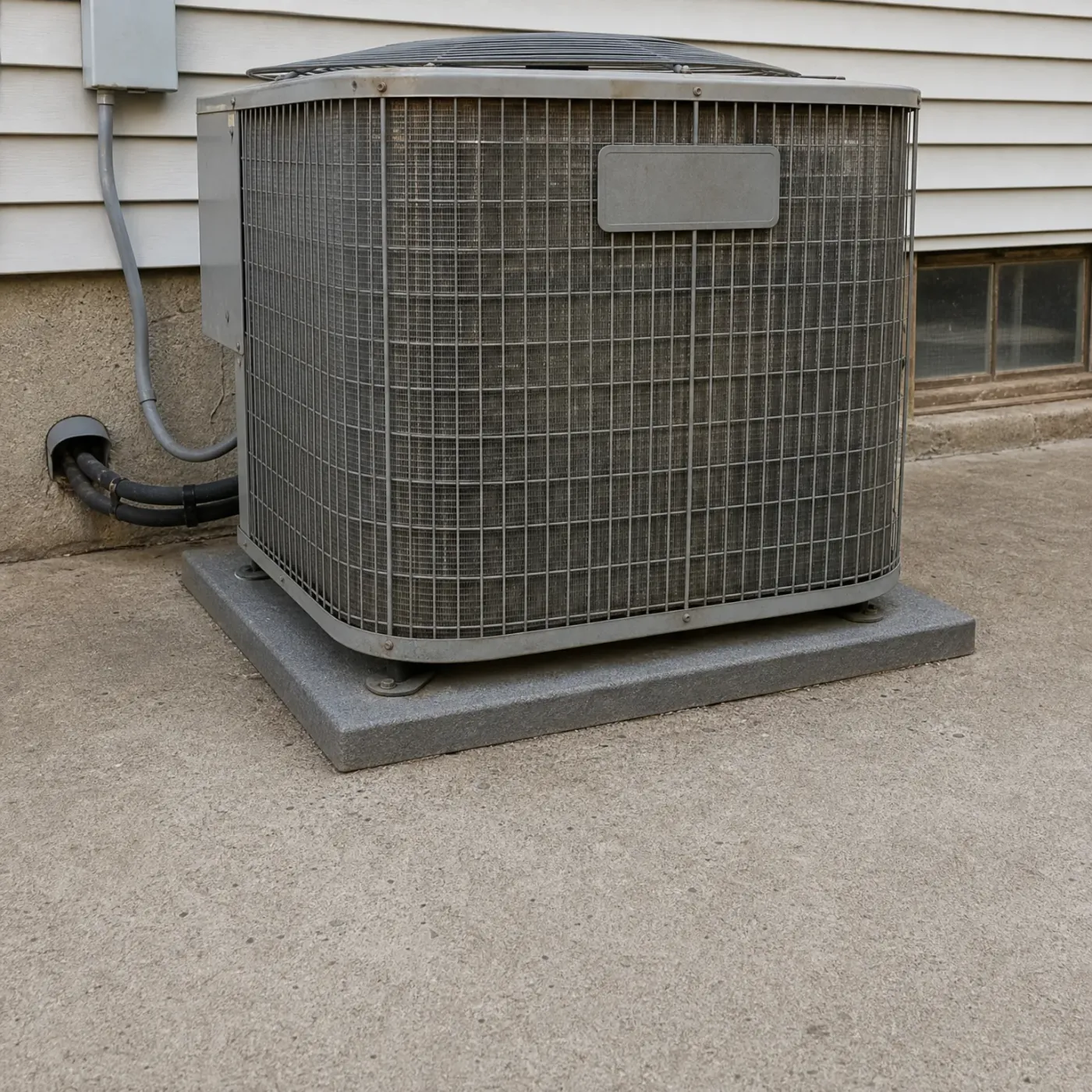

An outdoor air conditioner condenser unit on a gray composite pad beside a house with horizontal siding, a concrete foundation, a basement window, and a conduit and disconnect box on the wall.

System Falling Behind

Dust has packed into the wire mesh and coil, so the unit can't pull air through the way it needs to. It runs longer to move the same heat, and upstairs is the first place that shows it, staying hot well past the point it should have cooled.

A smiling man in a gray long-sleeved shirt stands in a kitchen looking to the side, with open shelves of dishes, a white mug on the counter, a potted plant, and a view through a doorway into a living room.
A smiling bearded man in a green sweater sits at a white marble kitchen island with a mug, potted plant and bowl of fruit, in a bright white interior with open shelving and an arched doorway.
A smiling man with dark curly hair and a beard, wearing a dark green knit sweater, stands at a white marble kitchen counter with a dark blue mug, with open shelving, pendant lights and a houseplant behind him.
A smiling man in a green ribbed sweater stands behind a wooden table holding a ceramic mug of coffee in a kitchen with white subway tile, shelves of potted plants, and a bowl of fruit.

Why Upstairs Falls Behind

  • Warm air rises through the house all day, so by afternoon the second floor is holding heat the first floor already shed.
  • One thermostat downstairs reads the air where it sits, so the system shuts off once the living room hits 72 even if upstairs is still climbing.
  • The duct runs feeding the upstairs rooms are longer and often pass through the attic, where the air inside them picks up heat before it ever reaches a vent.
  • A system sized for the whole house splits its airflow between two floors, and the upstairs registers usually get the smaller share.
  • The attic above the second floor can run well past 120 degrees on a sunny afternoon, and that heat pushes down through the ceiling all day.
  • If the upstairs return duct is undersized or blocked, the air handler pulls less air from upstairs than it pushes out, and the floor falls behind.

Your system is built around one thermostat, and that thermostat only knows the temperature where it hangs. Put it downstairs and that's the zone it protects. Once that room hits 72, the air handler cycles off, whether or not the upstairs rooms got enough cold air during that run. Heat rising from the first floor adds to what's already building upstairs from the attic above it, so the second floor is fighting on two fronts at once while downstairs only fights on one.

The air itself works against the upstairs rooms too. Supply ducts running to the second floor are usually longer than the ones feeding downstairs rooms, and many of them pass through the attic to get there. On a hot afternoon that attic can sit well above 120 degrees, and the duct walls don't block all of that heat. Air that left the handler at 55 degrees can be several degrees warmer by the time it reaches the vent.

Airflow is split, too. One blower serves the whole house, and the upstairs registers typically draw a smaller share of it than downstairs gets. If the return duct pulling air back from upstairs is undersized or partly blocked, the handler pulls less from up there than it pushes out, and that imbalance alone can keep the second floor running warmer all day.

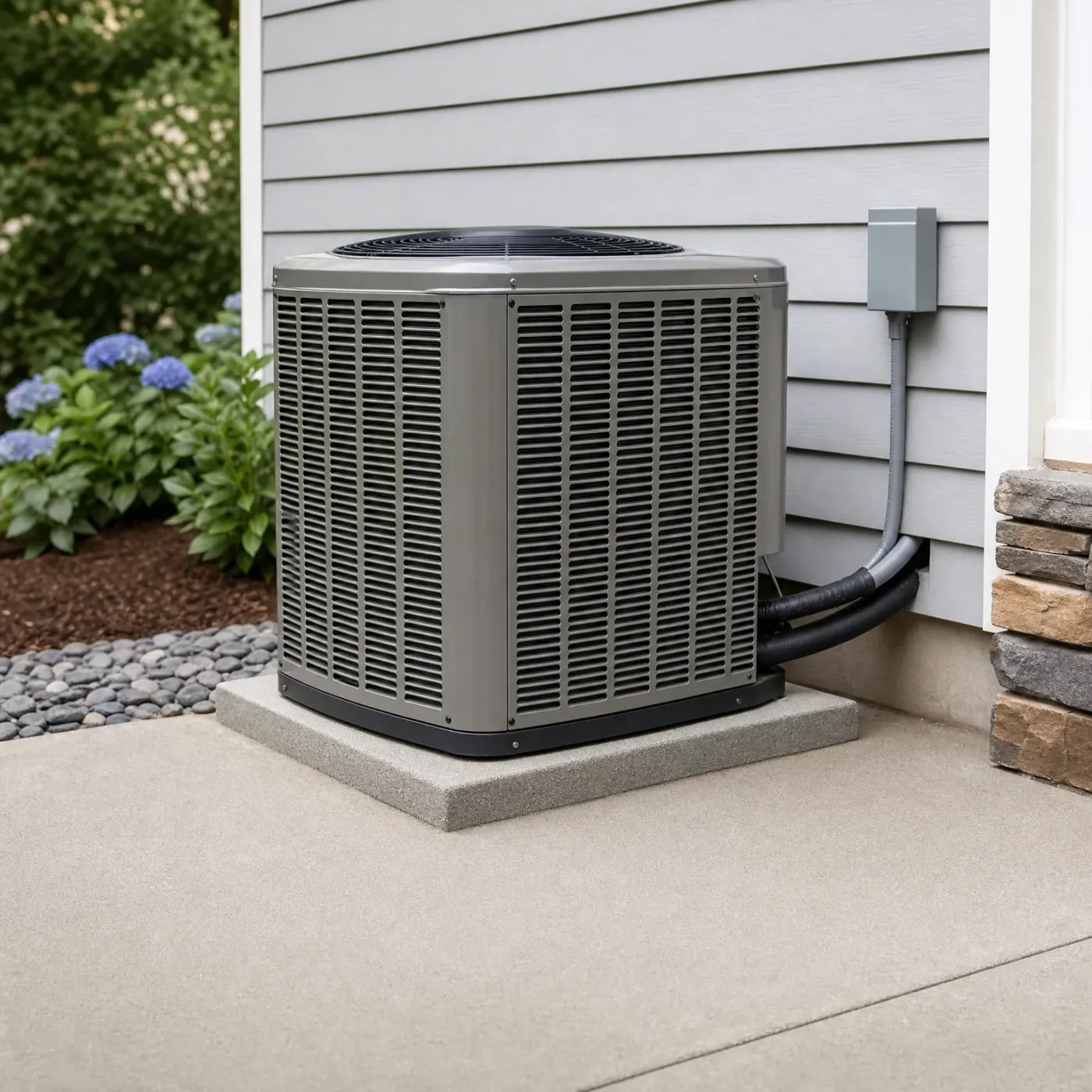
A gray outdoor air conditioning condenser unit on a concrete pad beside a house with horizontal gray siding, with a wall-mounted electrical disconnect box and insulated refrigerant lines, and blue hydrangeas in a mulched bed to the left.
The outdoor unit runs clean, fins clear and the fan pulling air through without strain, so the system upstairs is working at full capacity even if it's slower to catch up.
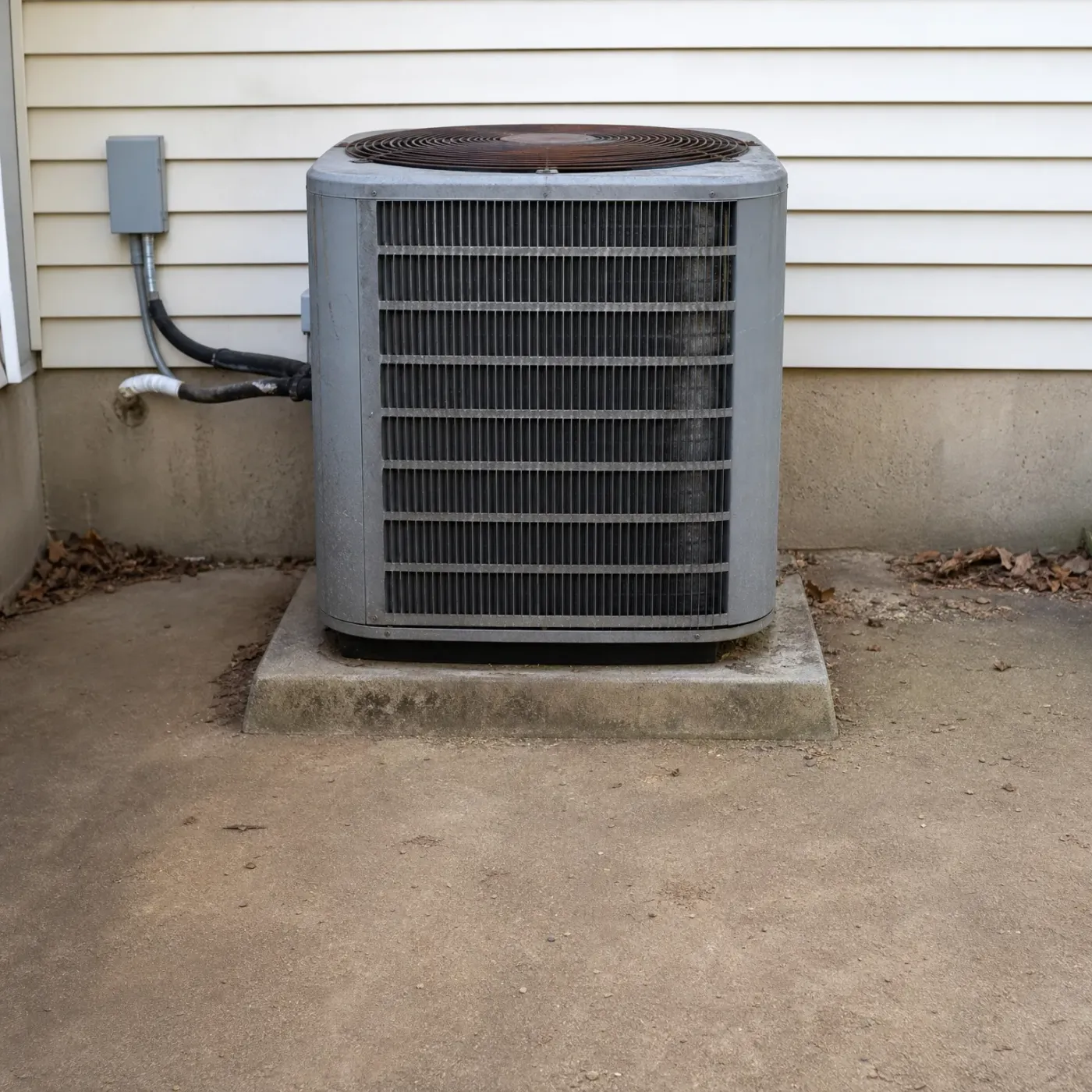
A gray outdoor air conditioner condenser unit on a concrete pad beside a house with beige horizontal siding, with an electrical disconnect box and insulated refrigerant lines on the wall and dry leaves on the ground.
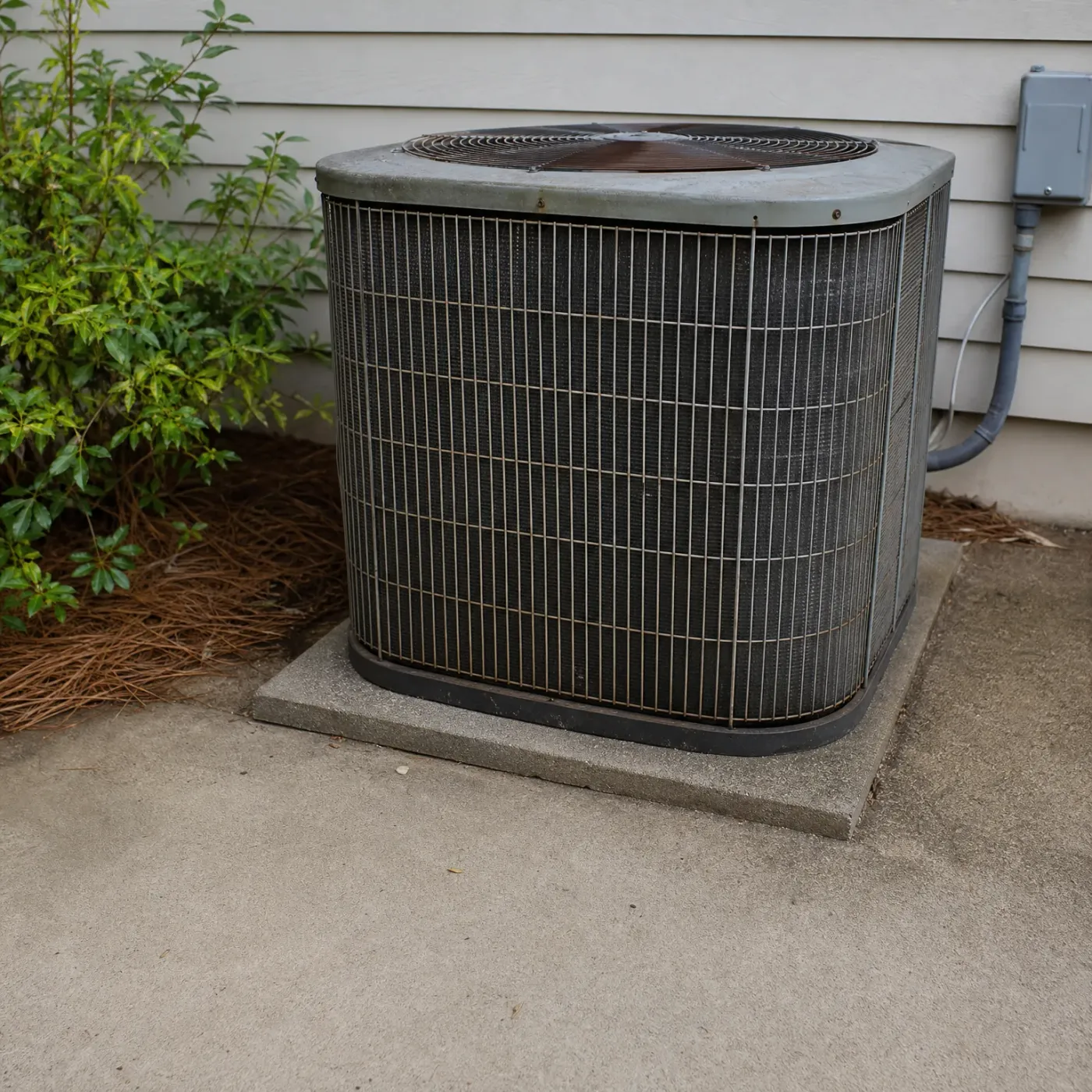
Rust on the shroud and dirt packed into the fins choke airflow, so the condenser struggles and the upstairs heat never gets ahead of it.
A man in a blue T-shirt sits on a light gray sofa, laughing while looking at an open laptop in the foreground, with a framed picture, lamp and potted plant behind him.
A bearded man in a blue and brown plaid flannel shirt stands indoors looking out a window at snow-covered trees, with a ceramic mug on the windowsill.
A gray outdoor air conditioning condenser unit on a concrete pad beside a house with horizontal vinyl siding, with mulch, a shrub, and lawn nearby.

Hand off the air conditioner problem

The pro who reaches out is licensed in Florida.

Send the request today and let an air conditioner pro reach out to you.

Send it today

It costs nothing to send, and you don't have to hire anyone.

Thermostat Problem or Airflow Problem

One Thermostat

  • A single thermostat downstairs can only answer for the air where it hangs, so it calls for cooling based on the living room, not your bedroom.
  • If the return air comes mostly from the first floor, the system is reading cooler air than what you feel upstairs all afternoon.
  • Adding a second thermostat or a zoning damper lets the system treat upstairs and downstairs as two different jobs instead of one average.
  • A contractor can check whether your ductwork even supports a second zone before any thermostat changes make a difference.
  • This fix addresses the room being read, not the air getting to it, so it won't help if the real problem is a stuck damper or a closed vent.

Not Enough Air

  • If the upstairs vents never get much air even with the system running full blast, the problem is what's moving through the ducts, not what's calling for it.
  • A duct run that's pinched, disconnected, or undersized for the second floor will starve those rooms no matter what the thermostat says.
  • A blower running at the wrong speed or a filter packed with dust cuts the total air the system can push anywhere, upstairs included.
  • A technician can measure airflow at the upstairs registers directly instead of guessing from how the rooms feel.
  • This fix gets more air moving through the existing ducts, but it won't change which room the system is deciding to satisfy.
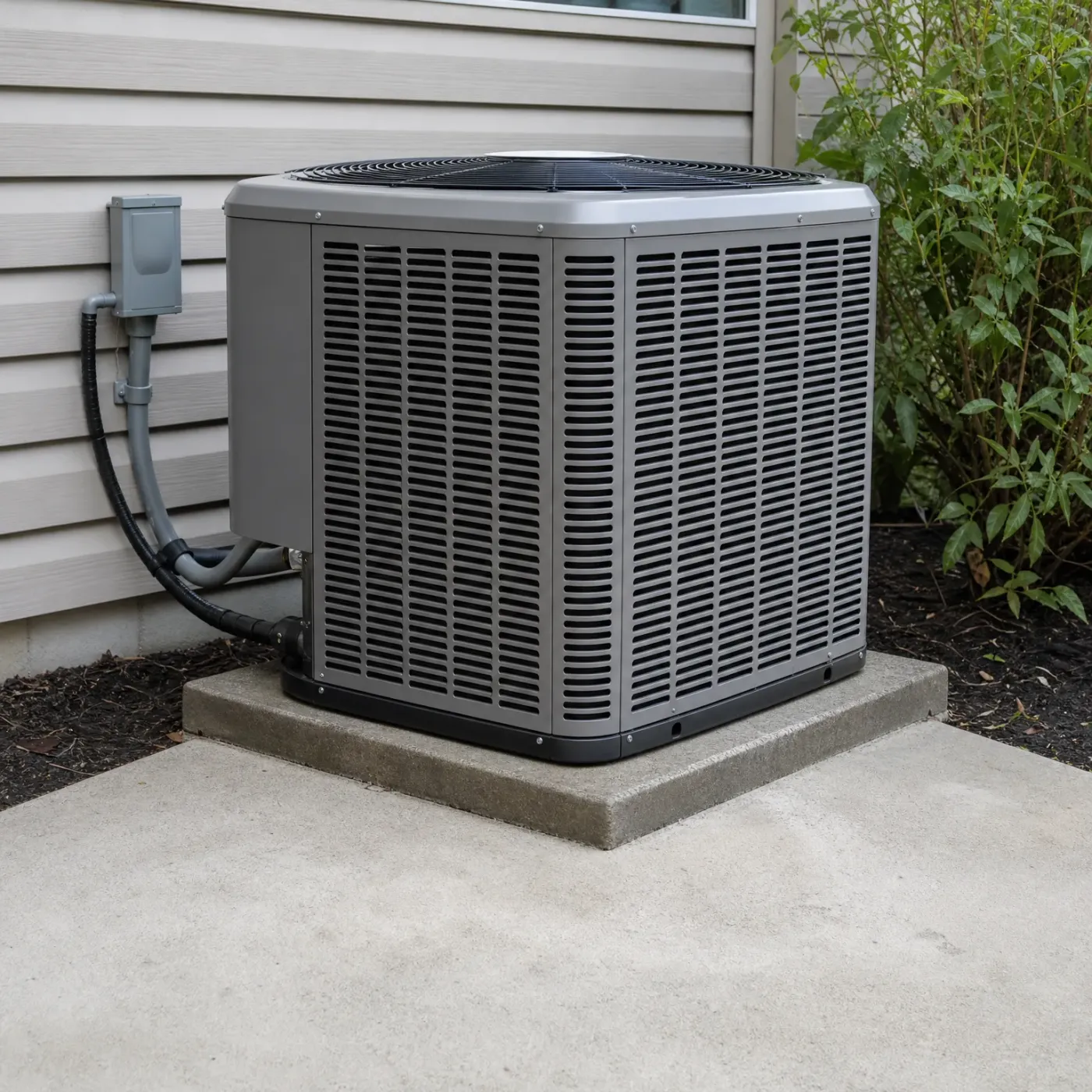
A gray outdoor air conditioner condenser unit on a concrete pad beside a house with light vinyl siding, with an electrical disconnect box and conduit on the wall and a leafy shrub with dark mulch to the right.

Clean and Clear

A condenser with open fins and clear space around it moves heat out of the house the way it's supposed to. That matters more in a Florida summer, when the unit runs for hours straight and can't afford to lose capacity. Upstairs still needs time to catch up, but the equipment itself isn't the holdup.

An outdoor air conditioner condenser unit on a concrete pad beside a house with horizontal lap siding, with a gray electrical disconnect box and conduit on the wall and a green shrub over pine-needle mulch at left.

Dirty and Choked

A grille packed with dirt and weather grime can't pull air through the coil the way a clean one does. The compressor works harder and moves less heat for it, and on the hottest, muggiest afternoons that's exactly when upstairs needs every bit of capacity it can get.

What are you actually noticing upstairs right now

You probably notice it most around 4 or 5 in the afternoon. The bedrooms hold heat the living room downstairs let go of hours ago. The air coming out of the upstairs vents feels weaker than the air downstairs, or it feels fine but the room still won't drop those last few degrees. Maybe you've started closing doors to keep the cool air from "escaping," or running a box fan at night just to sleep. None of that is dangerous by itself, but a system that's straining to cool the upstairs all summer is running longer than it should, and a unit that runs long hours without catching up is one that's more likely to need a repair before fall.

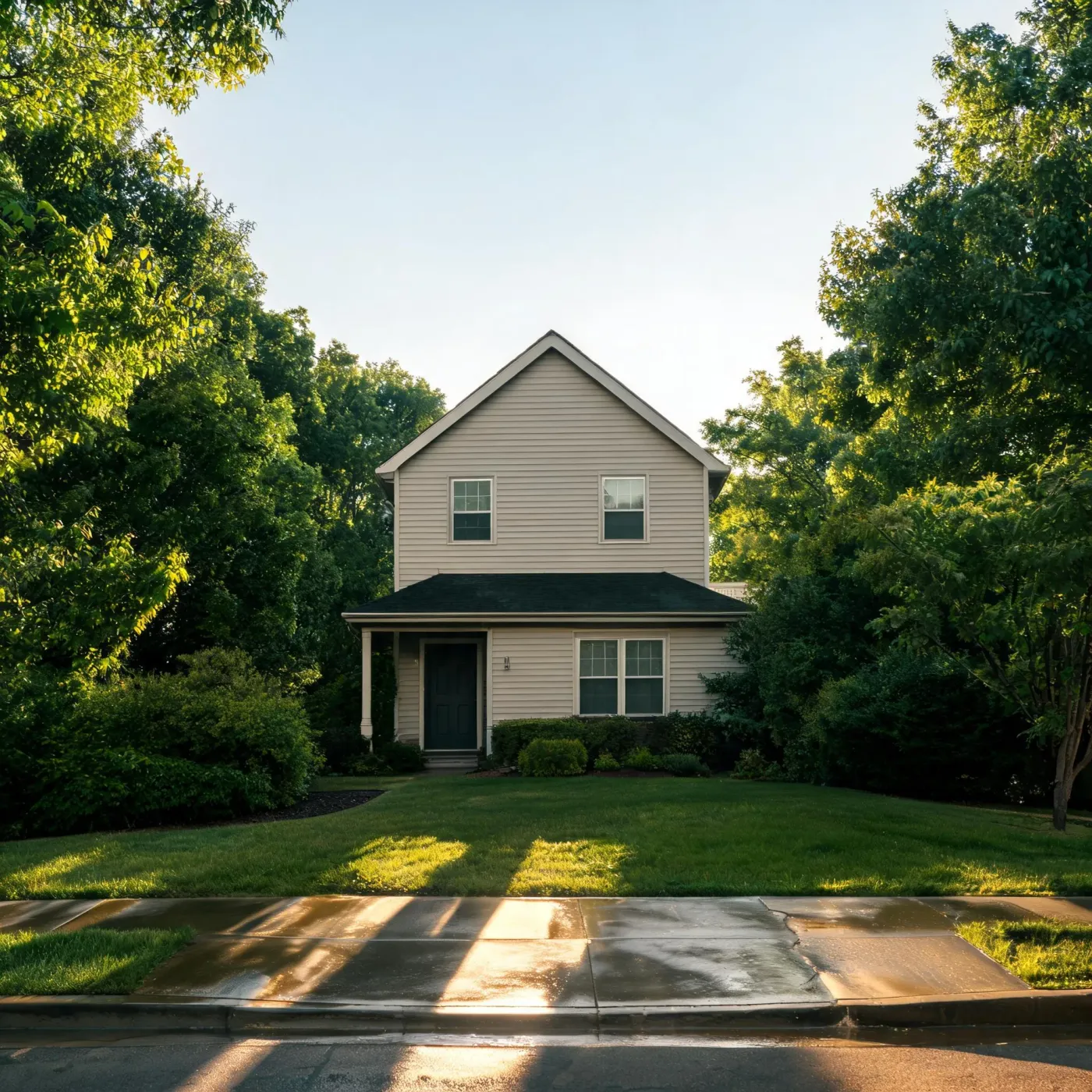
A two-story house with light beige horizontal siding, a gabled roof, a small covered front porch with dark door, and shrubs along the foundation, set behind a mown lawn and wet sidewalk with large leafy trees on both sides.

Summer dew points here average 74°F across June, July and August, according to NOAA. That's heavy air, the kind that sits on your skin even in the shade. Your air conditioner has to pull that moisture out before the house feels cool, and pulling out moisture takes longer than just dropping the temperature. Upstairs feels that lag worst. The system is already working through thick air by the time it's pushing cooled air up to the second floor, so those rooms sit warm and a little damp longer than the thermostat downstairs would suggest.

NASA POWER T2MDEW county cells weighted by homes

The heat upstairs isn't a mystery once you line up the pieces. Warm air collects on the second floor all day, one thermostat downstairs only answers for the air near it, and a dirty or struggling condenser outside has less capacity to spare for the harder job of cooling that top floor. If the system looks clean and sized right, you might just need a second opinion on the ductwork or the return air. If the condenser's choked or something outside isn't running the way it should, that's worth fixing before the next heat wave, not after. Either way, a local contractor who works on Florida systems all summer has likely seen your exact setup before, the same layout, the same single thermostat downstairs, the same upstairs bedrooms that lag behind. You'd be talking to one contractor who knows this problem, not fielding calls from five companies guessing at it.

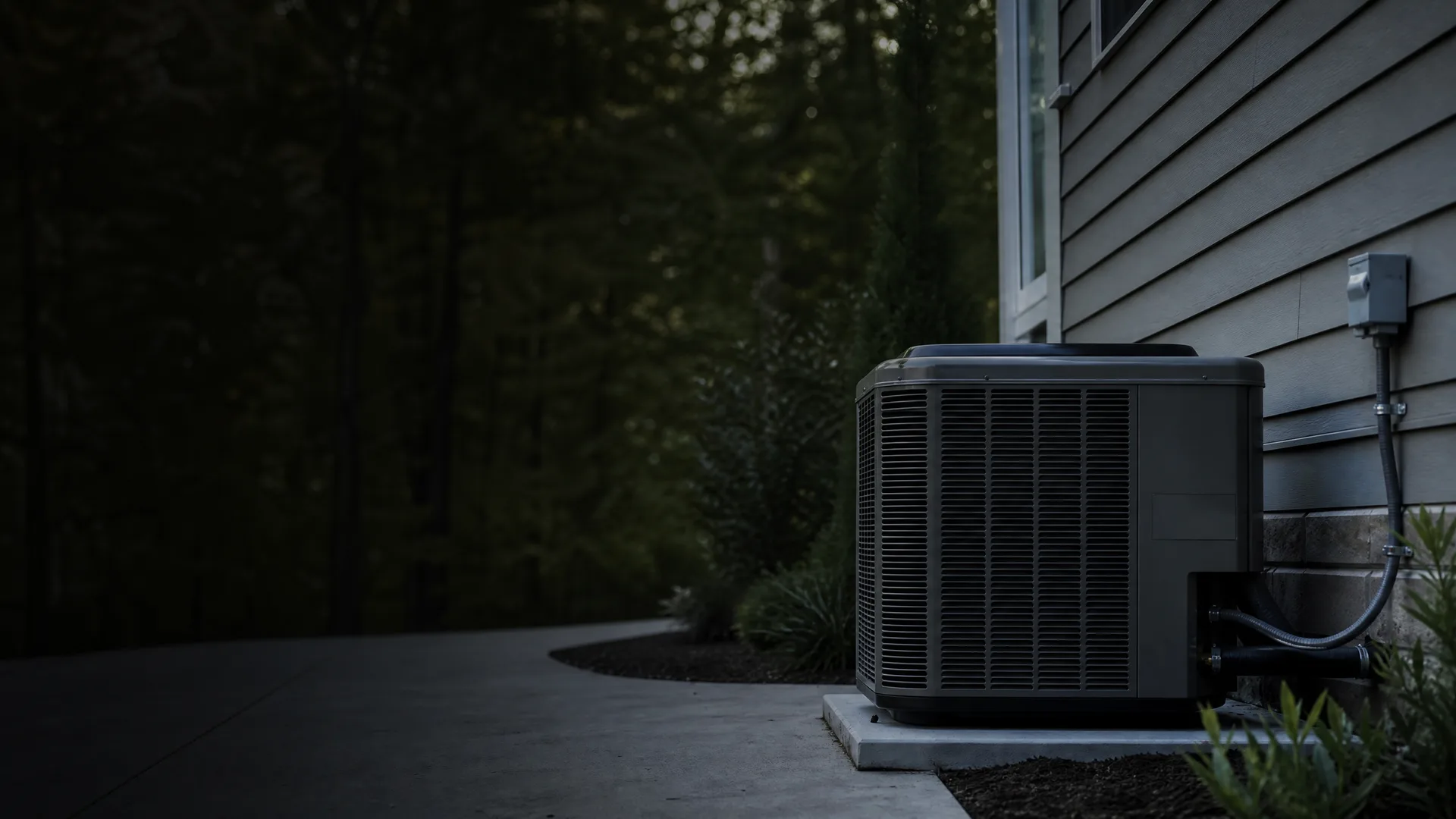
An outdoor air conditioner condenser unit sits on a concrete pad beside a house with horizontal lap siding, with a refrigerant line, electrical disconnect box, a concrete driveway and dark trees in the background.

Done looking for an air conditioner pro

Only one pro gets your request, so you hear from one company.

Step 1 of 3: Equipment