



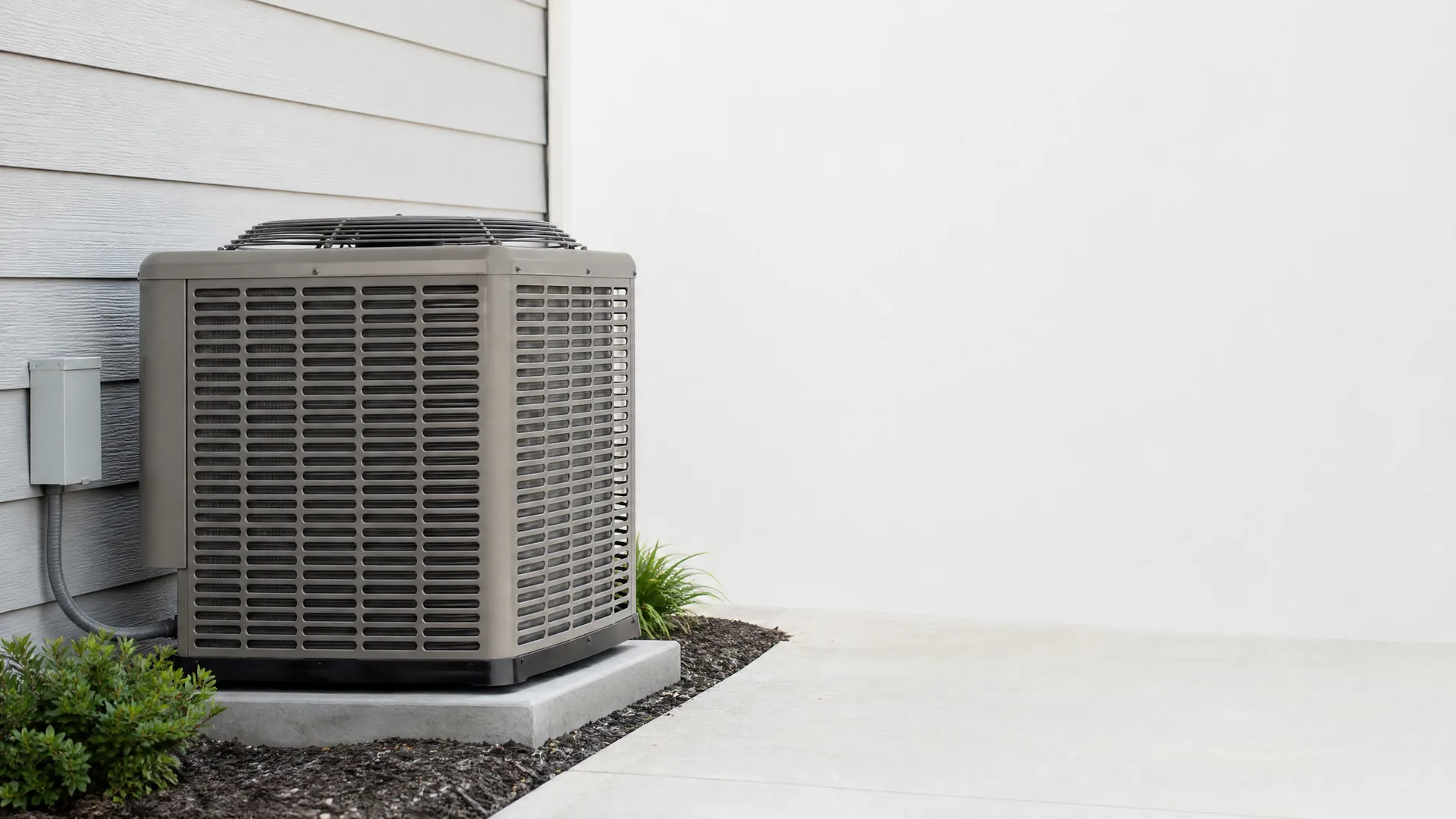
The unit running as it should
Lines and conduit run clean into the wall, the pad is clear, and the cabinet sits quiet except for that brief hum when the compressor kicks on. Nothing is rattling against the grille or the siding.
A buzzing AC usually means an electrical part is struggling or something loose is vibrating against the cabinet. The most common cause is a failing capacitor, the part that gives the compressor and fan motor the jolt they need to start. When it weakens, the motor hums and strains instead of starting clean, and you hear that buzz. Loose panels or screws on the outdoor unit can cause the same sound, especially after a summer of the system running hard day after day. A contactor with pitted or stuck contacts will also buzz as it tries to close the circuit. Running in Florida's heat for months at a time puts real strain on these parts, and a buzzing sound now is worth paying attention to before it leads to the compressor not starting at all. If the noise is new and getting louder, that's the system telling you something is wearing out.




The run capacitor stores an electrical charge and releases it to get the compressor and fan motor moving. A good capacitor does this in an instant and you never hear it. A weak one releases less charge than the motor needs, so the motor strains against it, and that strain is the buzz you hear from the outdoor unit. Capacitors wear down from heat and from the number of times the system cycles, which is why Florida units run through this more than most.
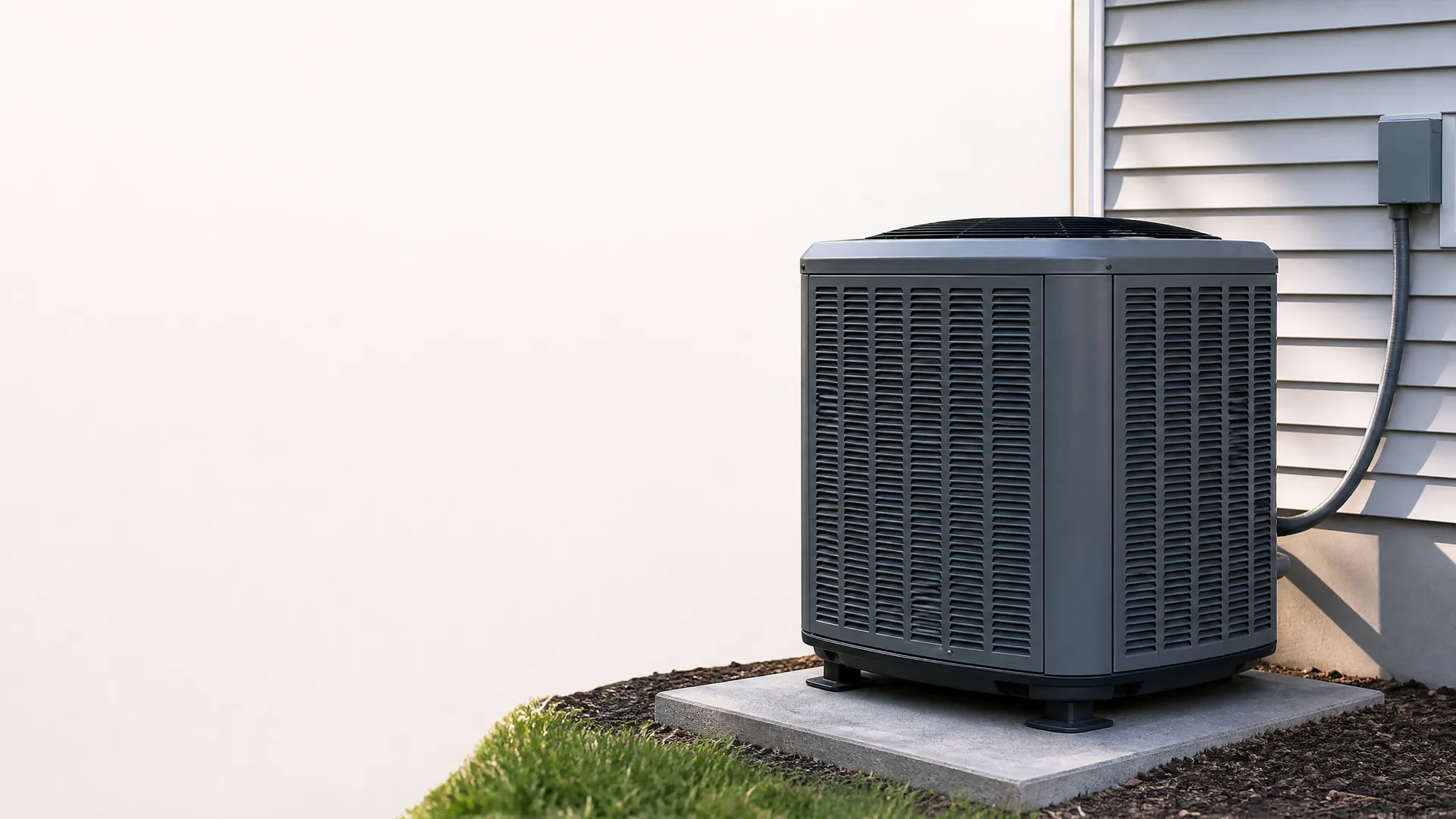
Not every buzz is electrical. Outdoor units sit on a slab or pad, and the fan blade, the access panel, or a mounting bolt can work loose over time and start vibrating against the cabinet whenever the unit runs. This kind of buzz usually sounds steadier and more metallic than a capacitor's hum, and it tends to change if you nudge the panel. A loose part left alone can chew into a wire or the fan blade itself.
You already know a weak capacitor is the most common reason for a buzz, but the sound you're hearing is coming straight from the condenser outside, not the air handler in the closet or attic. That makes you wonder if this is a different problem altogether, maybe something to do with the fan blade or the unit sitting outside in Florida heat and rain all year.
The capacitor that most often causes buzzing lives inside the outdoor unit, next to the compressor and the condenser fan motor, so a buzz coming from out there still points to it first. But the outdoor unit also takes the weather directly. Humidity and rain can corrode the fan motor or its mount over time, and a fan blade that's worked loose will buzz against the cabinet in a way that sounds electrical but isn't. Debris pulled in against the condenser coil can do the same thing. If the buzzing only happens when the unit cycles on, it's still more likely the capacitor. If it buzzes whenever the unit is running, the fan itself is worth a look.
Power reaches the capacitor the moment the thermostat calls for cooling.
A good capacitor sends the compressor and fan motor a strong, instant jolt.
A weak capacitor sends a smaller jolt and the motor strains to start.
That strain shows up as a buzzing sound from the outdoor unit.
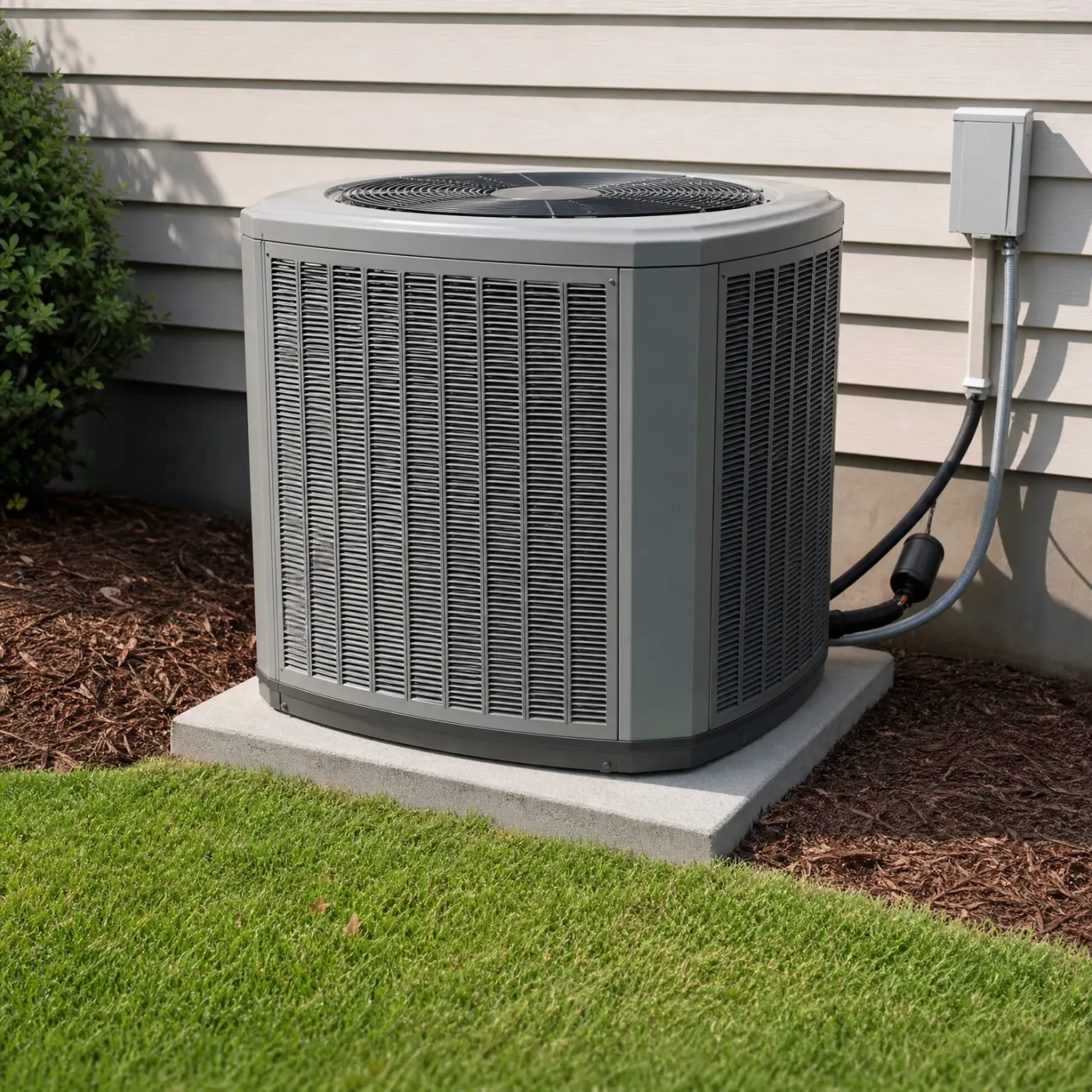
A compressor is the most expensive part in your AC, and it's the part a weak capacitor puts at risk. Every time the motor strains to start instead of getting a clean jolt, it runs hotter and wears faster than it should. Florida summers don't give that part a break. The system is cycling on and off all day to keep up with the heat and humidity, and each cycle is another strained start if the capacitor is going. Left alone, two things can happen. The capacitor finally gives out and the compressor won't start at all, which means no cooling until someone gets out to replace it. Or the strain keeps pulling more current than the wiring was meant to carry, which can trip a breaker or wear on the connections feeding the unit. A loose panel or blade buzzing against the cabinet has its own cost, wearing a groove into the metal the longer it rattles. None of this is a reason to panic. It's a reason not to let a small, cheap fix wait until it becomes a bigger one.


Answer a few questions instead of calling shop after shop.
Sending the form costs nothing.

Summer air in Florida holds a dew point around 74°F, according to NOAA climate data, which is the kind of heavy, sticky air that makes your skin feel damp just standing outside. Your AC has to wring that moisture out of the air it pulls in, on top of cooling it, every time it runs. A capacitor that's already sending a weak jolt to the compressor has to push through that extra load each cycle. That's why a buzz you might shrug off in a dry climate tends to get worse faster here. You'll likely notice the system running longer to reach the temperature on your thermostat, and the buzz showing up more often as it strains through more cycles a day.
NASA POWER T2MDEW county cells weighted by homes
You probably noticed it near the outside unit, a steady hum that gets louder right when the compressor kicks on. Maybe you've also seen the AC take a beat longer to start cooling, or the air coming through the vents feels a little weaker than it should. Some homeowners catch a faint rattle too, metal against metal, if something outside has worked loose. None of this means the system is about to quit on you. But a capacitor that keeps struggling to start the compressor puts real strain on that compressor every single time it cycles on, and in a Florida summer, that's a lot of cycles. Left alone long enough, a small electrical problem turns into a much bigger repair.
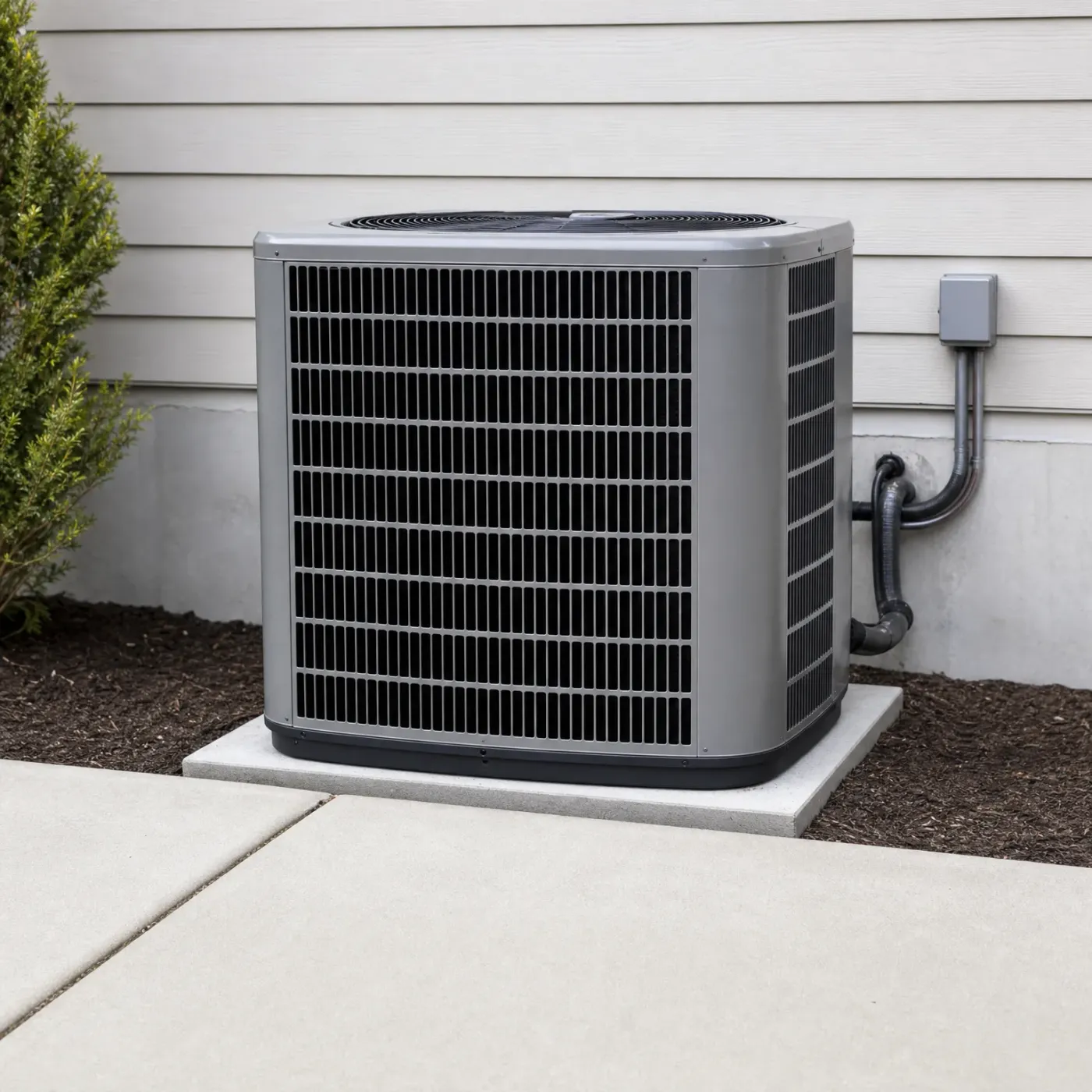
Lines and conduit run clean into the wall, the pad is clear, and the cabinet sits quiet except for that brief hum when the compressor kicks on. Nothing is rattling against the grille or the siding.
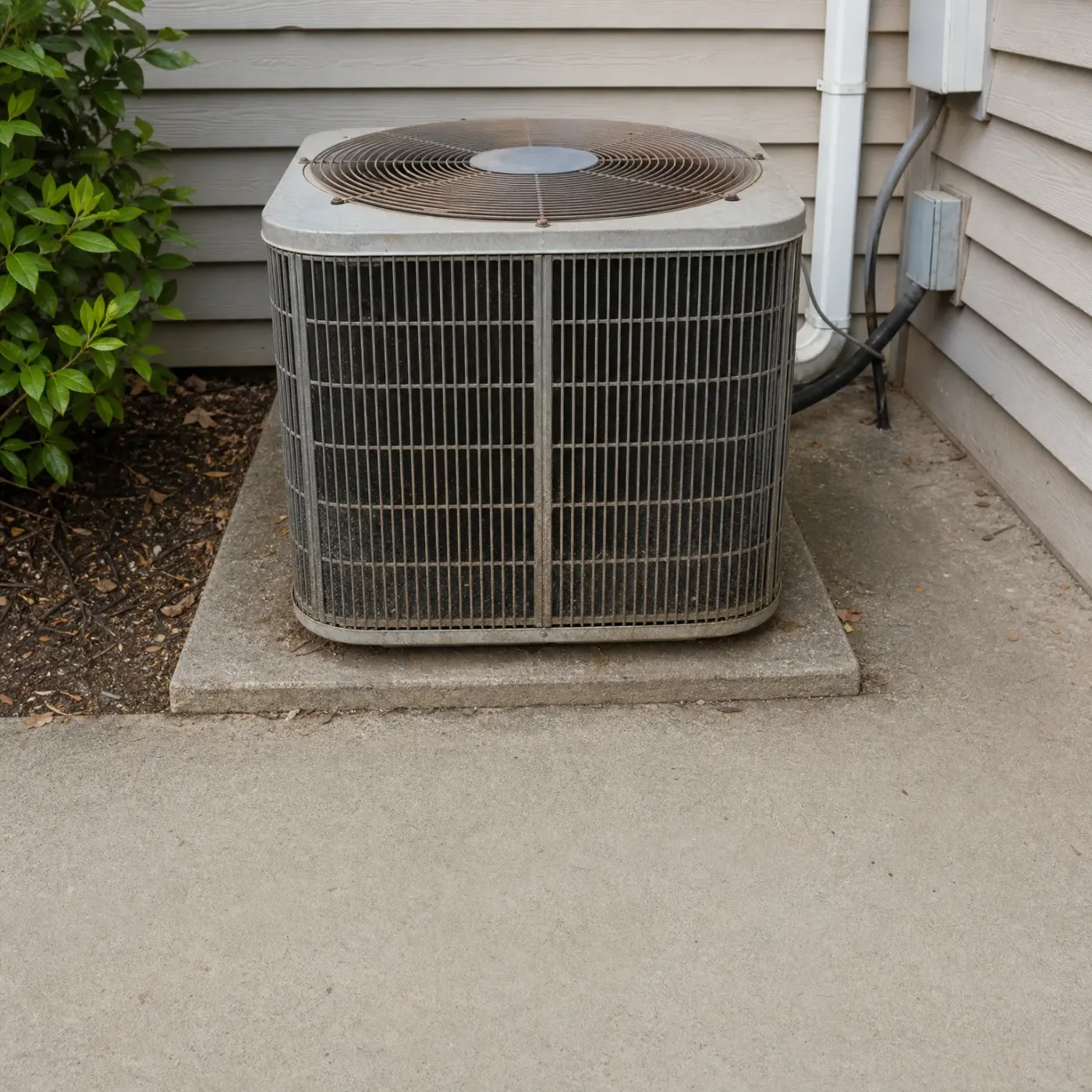
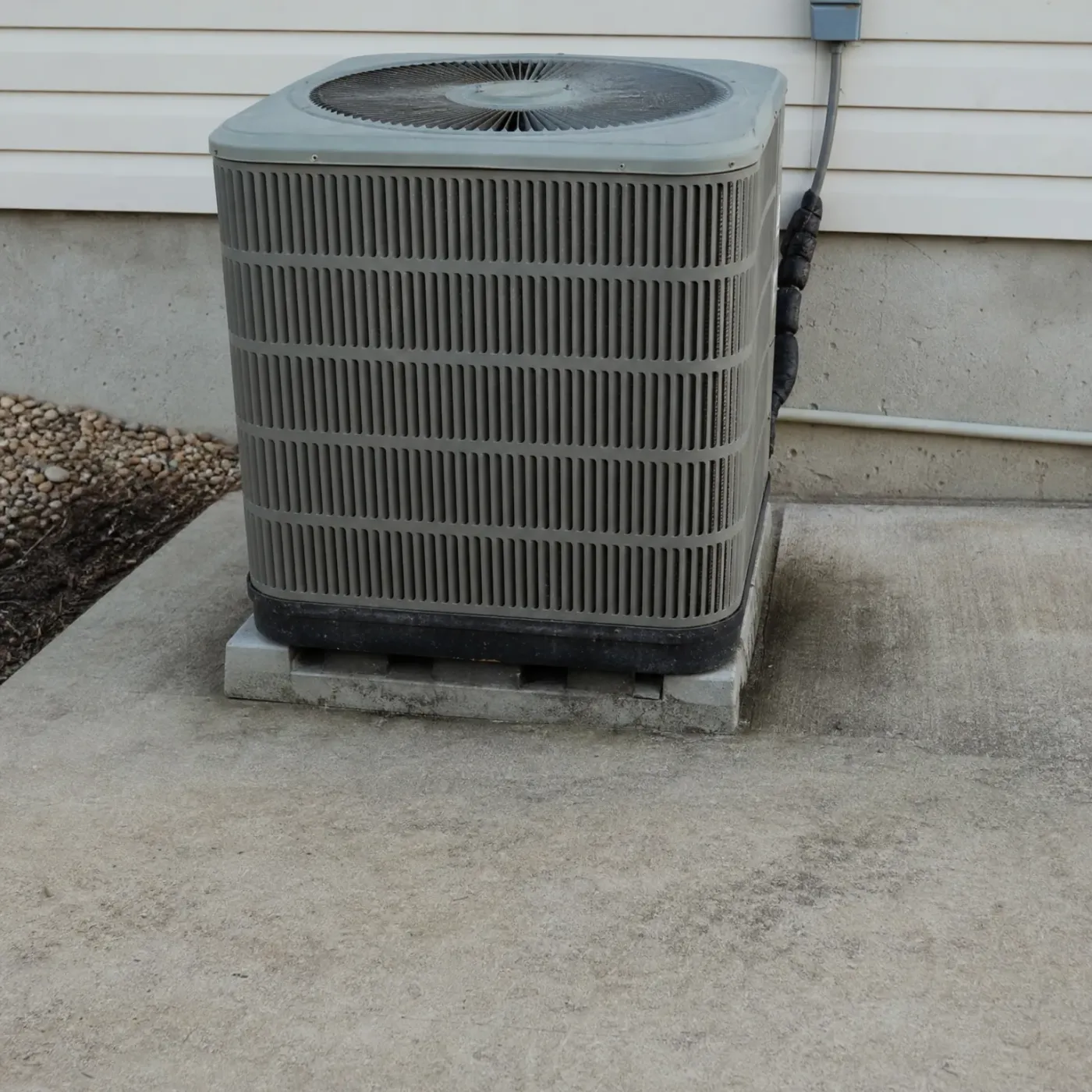
Dirt has built up across the grilles and the cabinet looks worn where the lines meet the disconnect box. A unit in this shape is more likely to have a loose panel or a capacitor past its years, and the buzz gets louder as the dirt and the wear add up.
At 15.21 cents per kilowatt-hour, a compressor that strains to start every cycle adds up fast over a Florida summer of near-constant runtime. A weak capacitor makes the motor pull harder for longer each time it kicks on, and you pay for that extra draw whether or not the buzz ever turns into a breakdown.
EIA-861 2025 statewide residential average
A buzzing AC in Florida almost always traces back to one of two things. Either the capacitor is weakening and struggling to give the compressor its starting jolt, or something outside has come loose and is vibrating against the cabinet or conduit. Both are small, known parts, not a sign the whole system is failing. The timing tells you which one you're dealing with. A buzz tied only to the compressor kicking on points to the capacitor. A buzz layered with rattling metal points to something physical that's worked itself loose.
Neither one fixes itself, and a Florida summer doesn't give a weak capacitor any time off. The compressor keeps straining to start, cycle after cycle, through months of near-constant runtime, and that wear adds up faster than it would somewhere with a milder summer. Left alone, a part that costs little to replace on its own can take the compressor down with it.
What usually eats the most time isn't the repair itself, it's getting to someone who can do it. Calling around for a licensed contractor, describing the same buzz to three different people, then sitting with quotes trying to compare them against each other. None of that tells you anything the sound itself hasn't already told you. Getting matched with a contractor who already understands what this noise means and reaching out to you directly skips that whole search, so the part that's actually wrong is what gets looked at first.
Describe your air conditioner job once, to one pro.
You're not committing to anything by asking.