Once you send the form, finding a pro is off your list.
The outdoor unit is sitting there silent and the air coming out of your vents is warm. In a Florida summer that doesn't take long to turn a house uncomfortable, and it won't fix itself by waiting.
A fan that won't spin usually comes down to one of a few things: a bad capacitor, a seized or burnt-out motor, a tripped breaker, or a stuck contactor that isn't sending power through. Some of these a licensed contractor can fix in one visit. Others mean a part has to be ordered. Either way, the fan not turning while the compressor runs is often what burns out the compressor next, so this isn't one to sit on.
What this page does is get you to someone who can look at it. Not a list of contractors to call one by one, not a string of quotes to compare while your house keeps getting warmer. You fill out the form once, say what's going on, and that's the last time you have to explain it to anyone. No hunting through reviews, no waiting on hold, no calling around to find out who's actually free this week.
Once that's sent, it's off your plate. You're not the one tracking down a contractor anymore, you're just waiting to hear back. In this heat, with power priced the way it normally is here, a fan that isn't moving air is not something to leave running another day while you sort out who to call.
Fill out the form below and let someone who does this for a living take it from here.
A fan that won't spin is usually the run capacitor. It's a small part that gives the fan motor its starting push, and in Florida heat it wears out faster than almost anywhere else, because the unit runs so many hours trying to keep up with the humidity. When it weakens, the motor hums but can't turn, or doesn't try at all. Sometimes the problem is simpler: a tripped breaker or a stuck contactor cutting power to the unit. Sometimes it's the motor itself, worn out after years of running. Either way, the compressor may still be running inside the unit even with the fan dead, and that's a problem. Without airflow over the coil, that compressor can overheat fast. The longer the fan sits still, the more likely the whole outdoor unit ends up damaged, not just the fan. That turns a simple repair into a much bigger one.
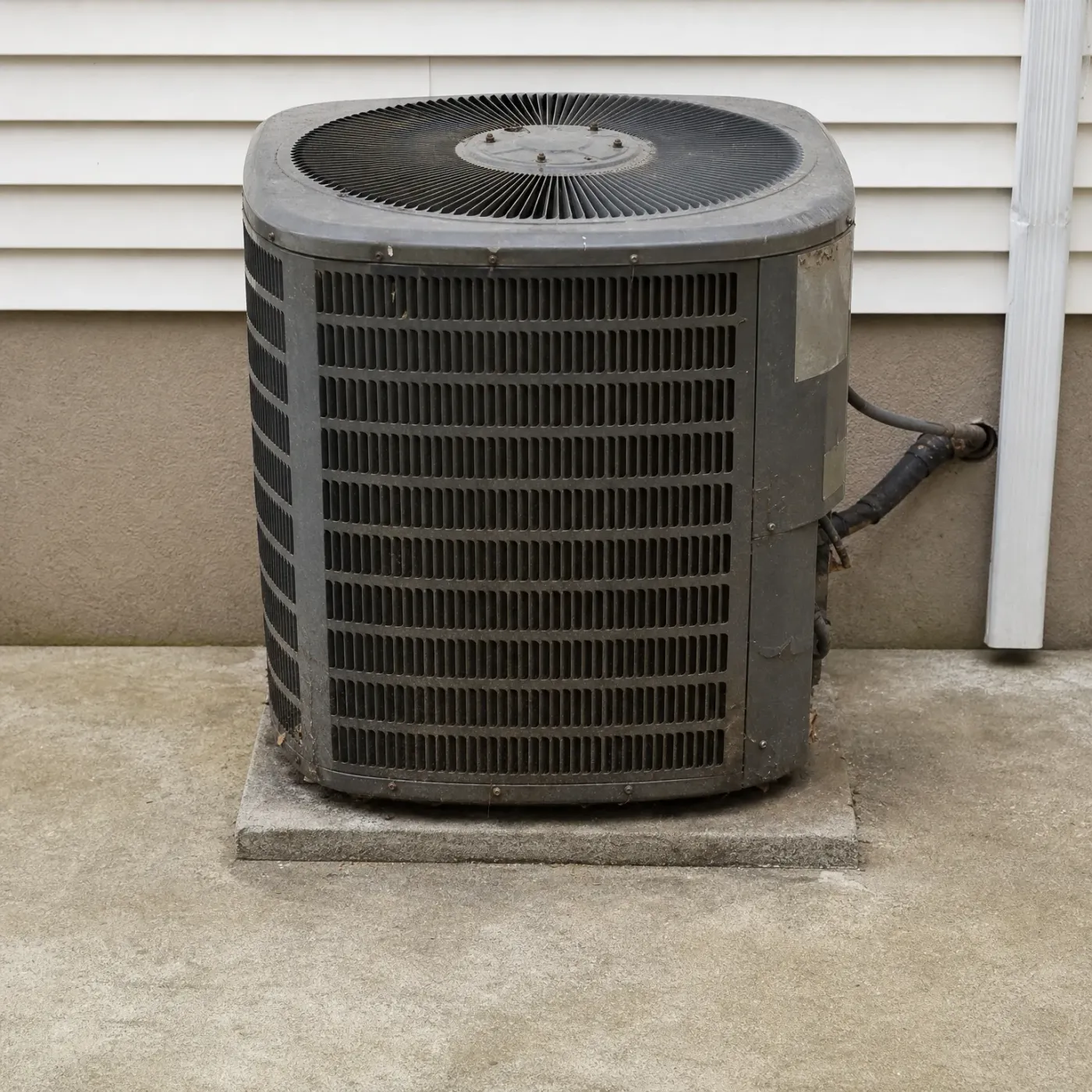
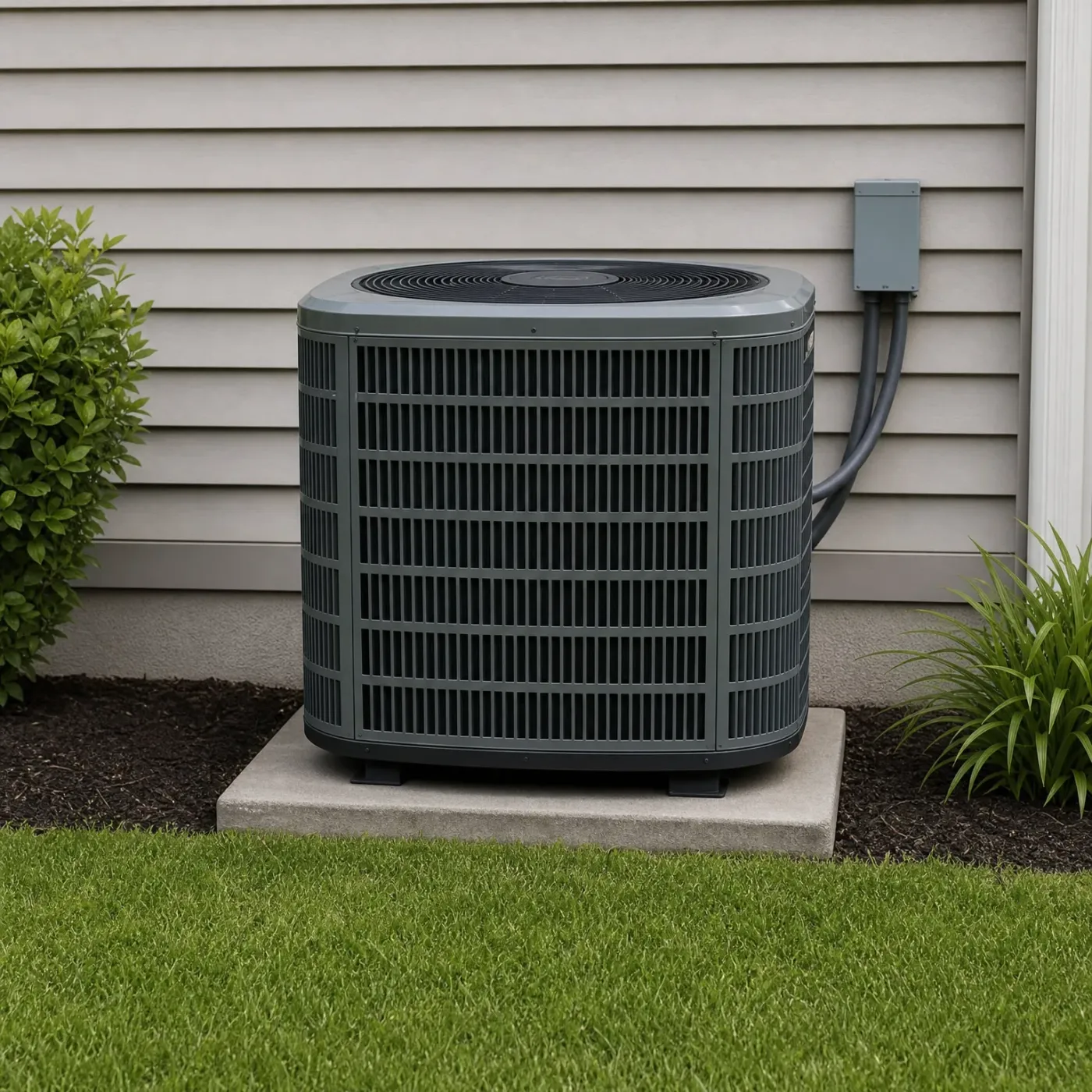
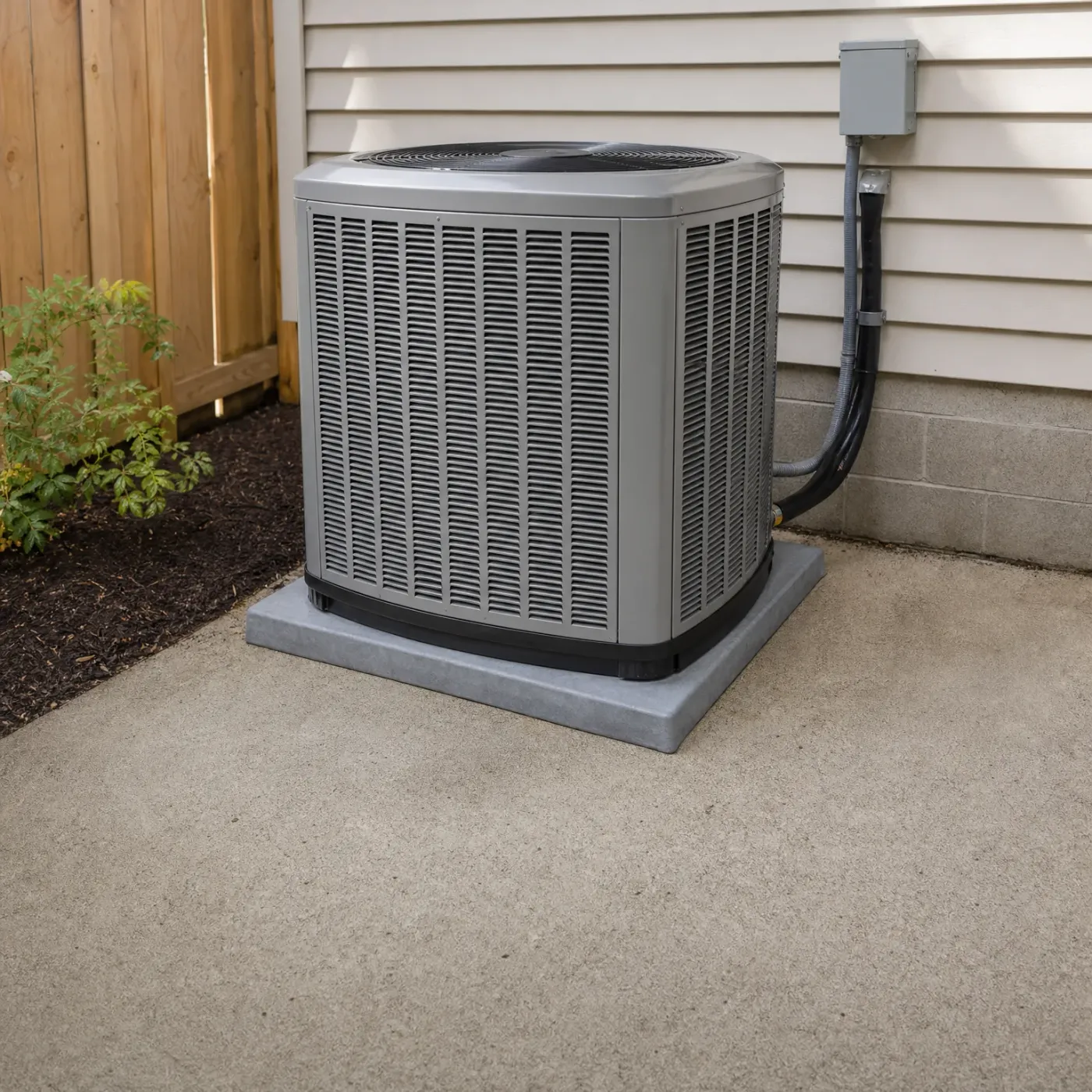
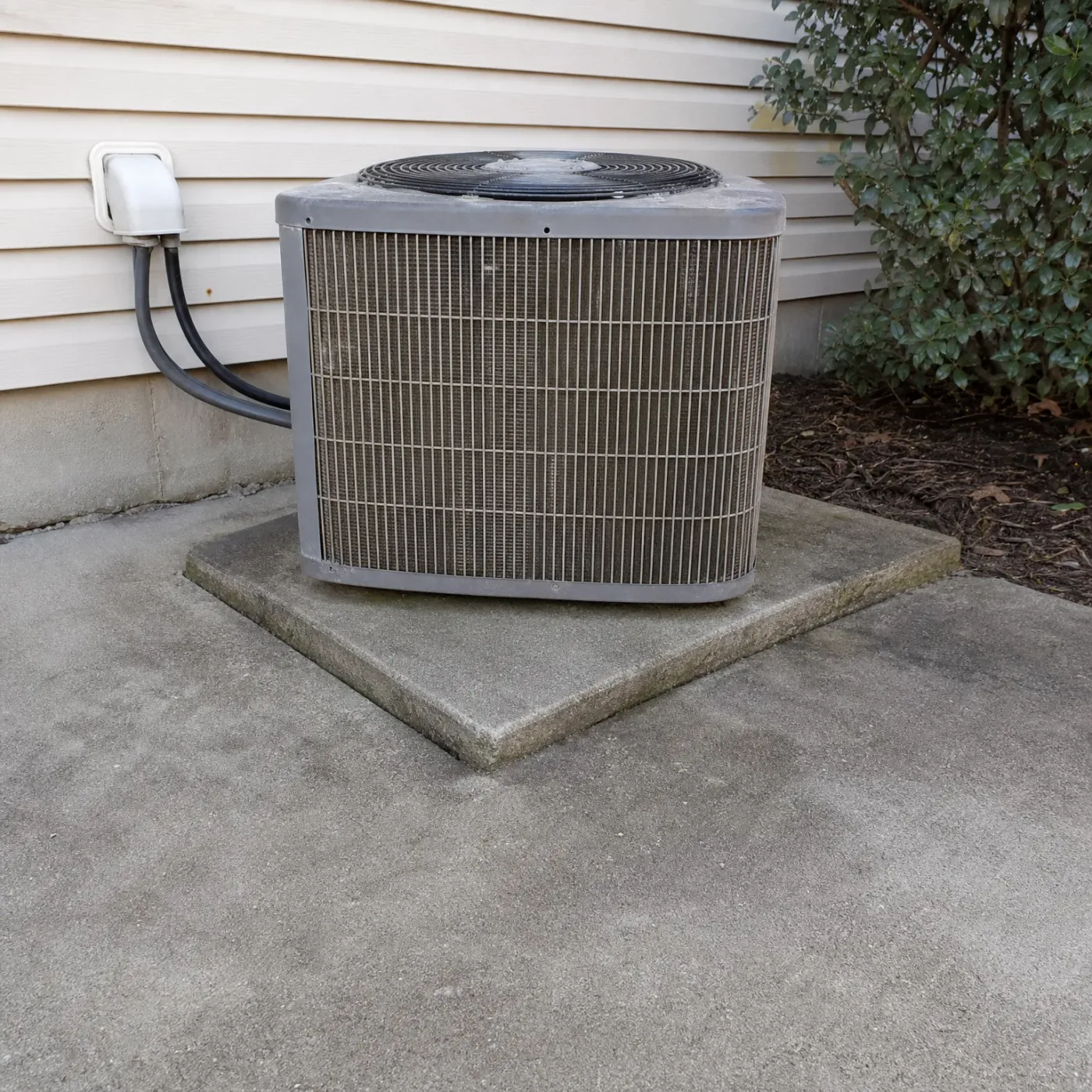
Before you get your air conditioner repairAfter you get your air conditioner repair
What a failing capacitor looks like
A run capacitor usually gives some warning before it quits outright. The fan might start late, or hum for a second without turning, or spin slow and catch up a moment later. Some units need a push to get going, the kind where the fan starts turning if you nudge the blades by hand, which points straight at a weak capacitor. Once it fails completely the compressor can still run with no fan moving any air across the outdoor coil. That coil needs airflow to release the heat it just pulled out of your house, and without it the system keeps working while doing less and less.
Why the motor itself can be the problem
If the capacitor tests fine, the fan motor windings might have failed instead, especially after years of running through Florida summers where the unit rarely gets a real break. A motor that hums but doesn't turn, or trips the breaker when it tries to start, points to the motor rather than the capacitor. Either way, a compressor running with a dead outdoor fan is working against itself, trying to reject heat with no air moving. Left alone long enough, that strain on the compressor is the costlier problem, which is why a fan that's gone quiet is worth dealing with instead of waiting to see if it starts again on its own.
Fill out one short form instead of calling around.
Asking costs nothing, and the choice to hire stays yours.
What keeps happening while you wait
With the fan stuck, the compressor inside the outdoor unit can still be trying to run, and it depends on that fan moving air across the coil to get rid of heat. Without it, that coil and the compressor both sit there taking on heat with nowhere for it to go. Meanwhile your house keeps climbing past whatever you've got the thermostat set to, and in a Florida summer that happens fast. The longer it sits like this, the more that compressor is working against itself instead of cooling anything.
What a working fan gets back for you
Once that fan is spinning again, the whole system goes back to doing what it's supposed to. The compressor sheds heat the way it's built to, cold air starts coming through the vents again, and the house stops climbing. You're not standing in front of the fridge with the door open or pointing a box fan at yourself at ten at night. You also stop wondering if you're doing damage to the rest of the unit every hour you let it run like this, because once it's fixed, that worry is gone too.
Power costs 15.21 cents per kilowatt-hour statewide
At 15.21 cents per kilowatt-hour, a compressor straining against a dead fan burns through power for nothing while your house stays warm. Fixing the fan stops that waste the moment it's running again.
EIA-861 2025 statewide residential average
The fan spinning like it should
Air moves across the coil, the heat goes where it's supposed to go, and the compressor isn't fighting itself. The unit cycles, does its job, and shuts off. Nothing about it needs your attention.
The fan sitting still
The wiring and the box on the wall look the same as always, but the fan blade behind them isn't turning. The compressor can keep drawing power with no air moving across the coil, and the house stays warm while it does.
A silent fan outside means one part is asking for attention
A dead capacitor, a seized motor, a tripped breaker, a bad contactor. Whichever it turns out to be, the fix is the same first step: someone who can test it and tell you which one you're dealing with. That's not a guess you can make standing in your yard looking at a fan that won't turn.
You could spend the afternoon calling around, explaining the same warm-house, silent-fan story to three or four different companies, then sitting with their quotes trying to work out who actually knows what they're doing. Or you could send one form and let that search land on someone else's desk instead of yours. The fan still needs fixing either way. The difference is whether you're the one doing the finding.
Air Conditioner Repair
Hand off the search today
Explain the job once and skip repeating it on every call.