Say what's going on with your air conditioner, and a pro who works on them reaches out.
Your AC runs most of the day, and by mid-afternoon the house still feels sticky. It gets to 78 and stalls there, or it gets close and the air feels heavy anyway. That's not always a sign the system is dying. It can mean the unit is undersized for what Florida humidity asks of it, or that something inside it is already working harder than it should: low refrigerant, a coil caked with dirt, a fan that's lost some of its strength.
Figuring out which one it is from your kitchen table isn't realistic. You'd need someone to check the charge, look at the coil, see how the air is actually moving through the ducts. That's a visit, not a guess.
Finding that someone is its own chore. You search, you call a few numbers, you explain what the house is doing and what you've already tried, then you do it again with the next company because the first one can't come for a week. Then you sit with two or three quotes that don't line up and try to figure out what you're actually comparing.
This page skips that part. Tell it what your system is doing, and it matches you with a contractor who works on homes like yours in Florida heat, one who takes it from there. They'll reach out to you directly. No list of names to sort through, no retelling the problem to five different people on five different calls.
What they find when they look at your system, and what it takes to fix it, is between you and them. But getting to that first visit, the part that usually eats an afternoon, is the part this handles. From here, the rest of the page walks through what's likely going on with your AC and why Florida days push it this way. The button gets you to someone who can tell you for certain.
Why can't my AC keep up when it's really hot outside?
Ninety degrees outside, the thermostat says 78, and the air in the house still feels thick. You've checked the filter, maybe even checked the breaker, and the system is still running almost nonstop without getting anywhere. When the temperature climbs, the gap between what the thermostat reads and how the house actually feels tends to widen, and it's worth knowing why that happens before assuming the unit is broken.
Your AC loses ground on the hottest days because it has less capacity to spare, not because something failed
An air conditioner is sized to remove a certain amount of heat per hour, and that number doesn't change when it's 95 outside instead of 85. The hotter it gets, the more heat keeps pushing into the house through the walls and roof, and the harder the system has to work just to hold steady, let alone pull the temperature down. In Florida's humidity, the unit is also pulling moisture out of the air at the same time, which uses up cooling capacity that would otherwise go toward dropping the temperature. On a brutal afternoon that can mean the house holds at 78 instead of reaching 72, even with the system running the whole time. If it's also short on refrigerant or the coil is dirty, that gap gets worse.
Does this sound like your house right now
The vents are blowing, but the air coming out feels more cool-ish than cold. The system never really shuts off, it just runs and runs, and the house still sits a few degrees above what the thermostat is set to. Upstairs rooms feel worse than downstairs. By early evening the air feels damp even with the AC on, and towels or sheets take longer to feel dry. You might notice the outdoor unit running constantly when you walk past it, or ice forming on the refrigerant line. Left alone through a full Florida summer, a system working this hard can wear down parts faster than it should, and the strain shows up later as a bigger repair.
Heat gain works against the system
Florida sun on a roof and windows adds heat to the house all day long, and your AC has to remove that heat before it can catch up to the thermostat setting. A system sized for a mild climate would never keep pace here. The compressor and coil are rated for a certain number of BTUs per hour, and once incoming heat outpaces that number, indoor temperature holds steady instead of dropping.
Humidity adds a second load
Your AC does two jobs at once. It cools the air, and it pulls moisture out of it as that air passes over the cold coil. Humid air carries more moisture to remove, so the coil spends part of its capacity on that before it ever lowers the temperature. On a muggy afternoon, a system can run continuously and still be working mostly on humidity, which is why the house can feel cool-ish without feeling cold.
What the system is actually doing when it can't catch up
An air conditioner moves heat out of the house, it doesn't make cold air. Refrigerant in the coil absorbs heat from the air passing over it, and the compressor pumps that refrigerant outside where a second coil dumps the heat into the outdoor air. On a 95 degree afternoon, the outdoor coil is trying to push heat into air that's already hot, so the whole loop works harder for the same result. If the compressor is weak, the charge is low, or the outdoor coil is caked with dirt, that already-hard job gets harder, and the house loses ground for hours before it ever catches up.
This is also why a system can run constantly and still leave the house muggy. Humidity comes out of the air through the same coil that cools it, and a unit that's struggling to pull heat out is pulling even less moisture out along the way. A contractor who's seen this pattern in Florida homes before can usually tell from the symptoms alone whether it's a charge problem, a failing part, or a system that was never sized right for the load on that house. Getting matched with one means someone who already knows this is looking at your numbers, not a stranger starting from zero.
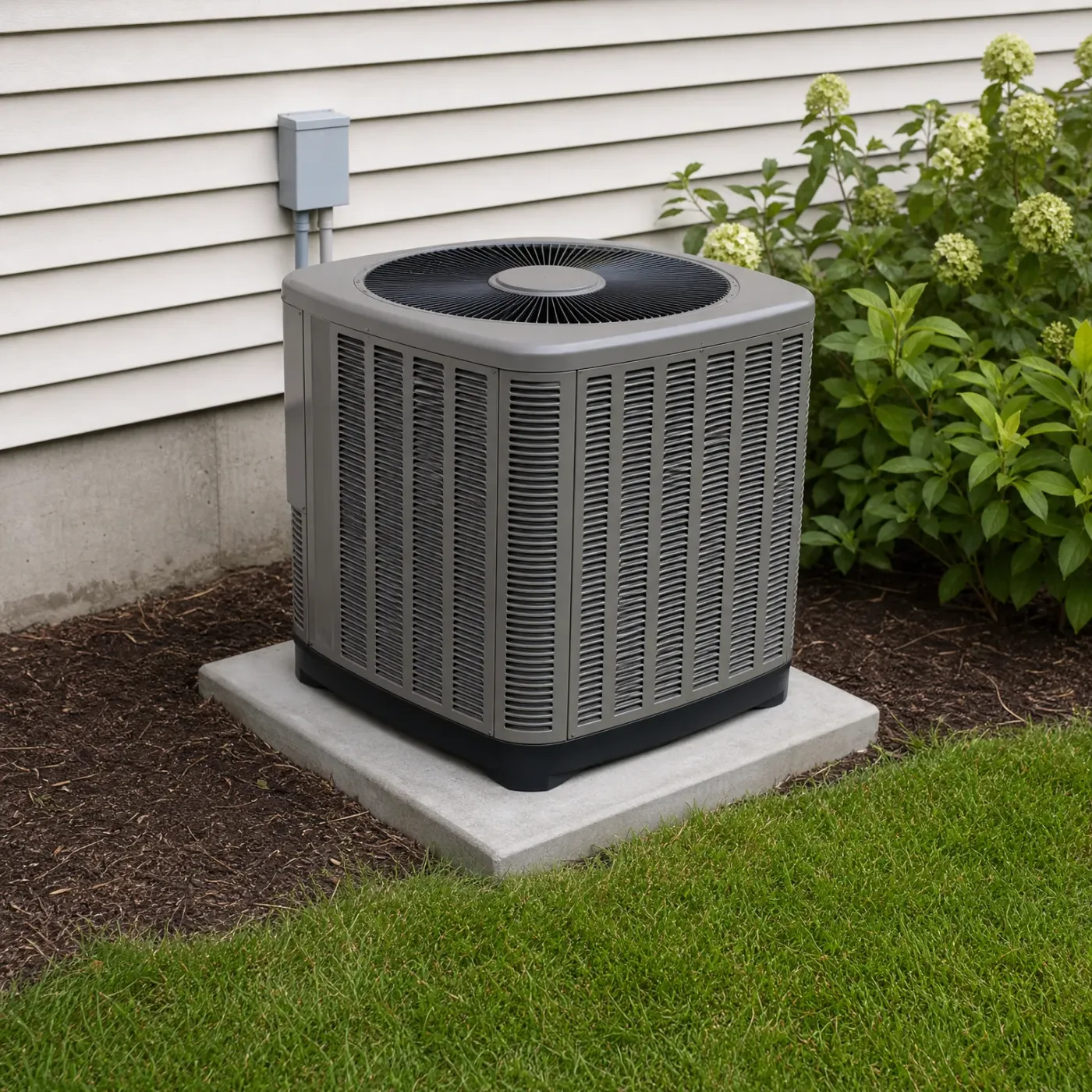
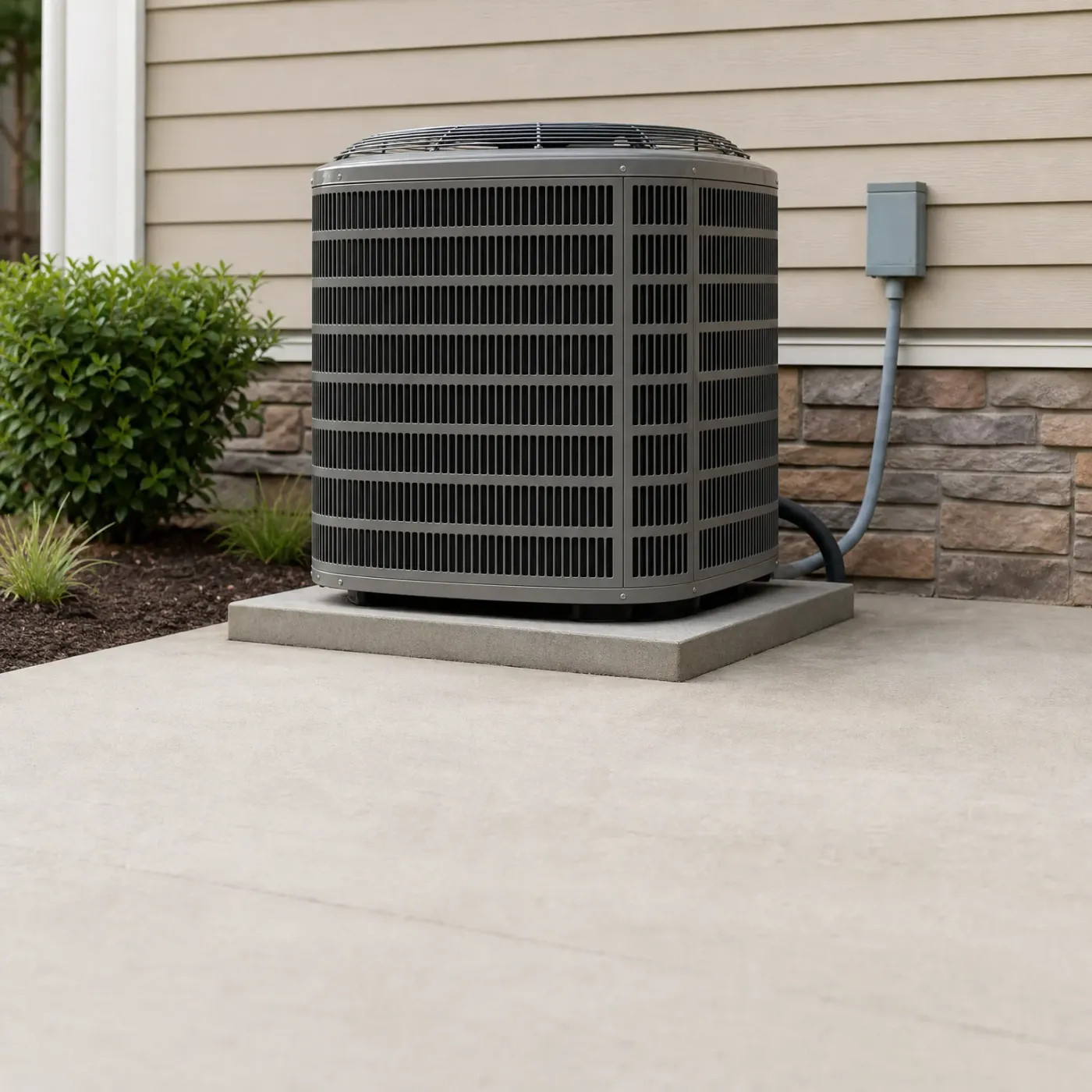
Running clean and keeping up
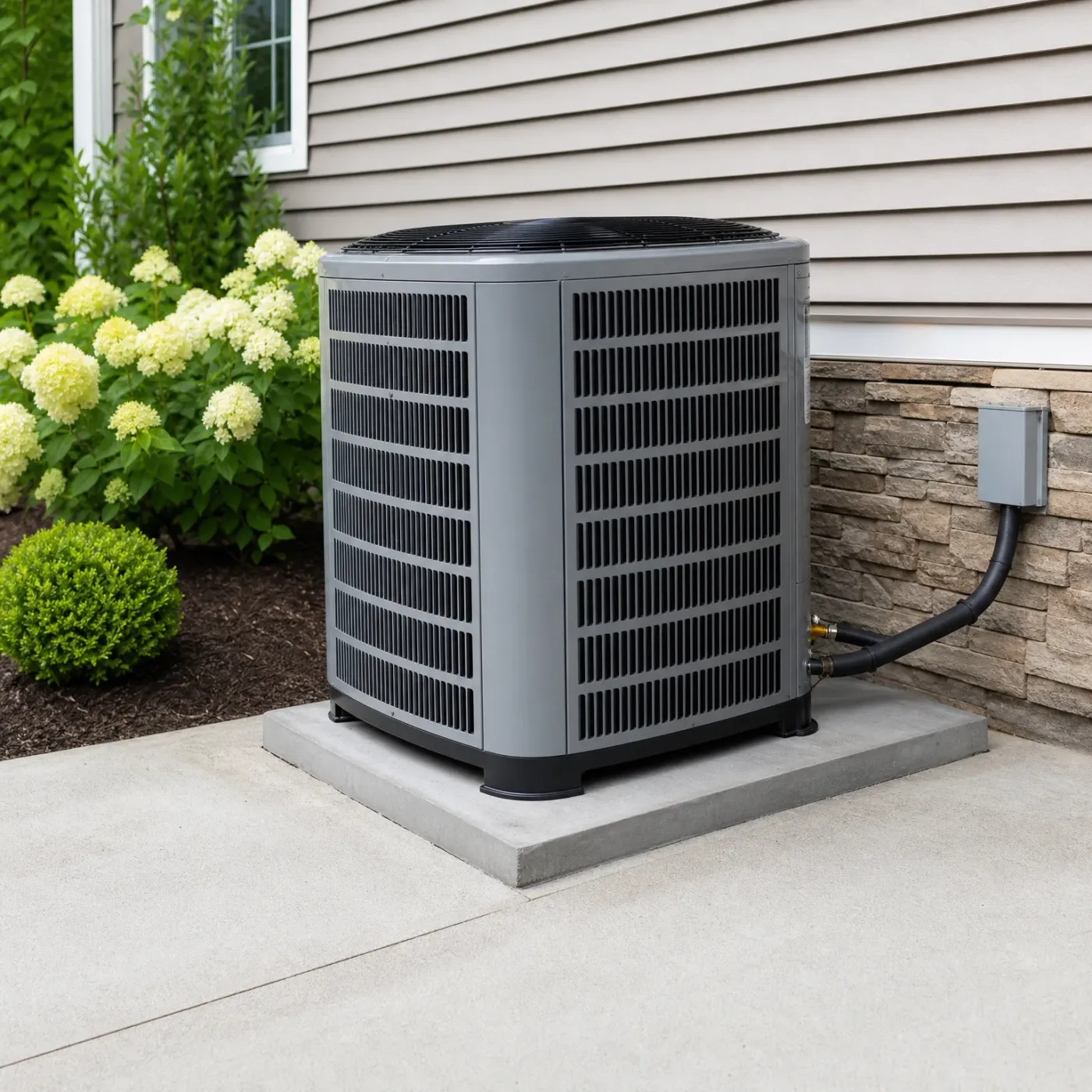
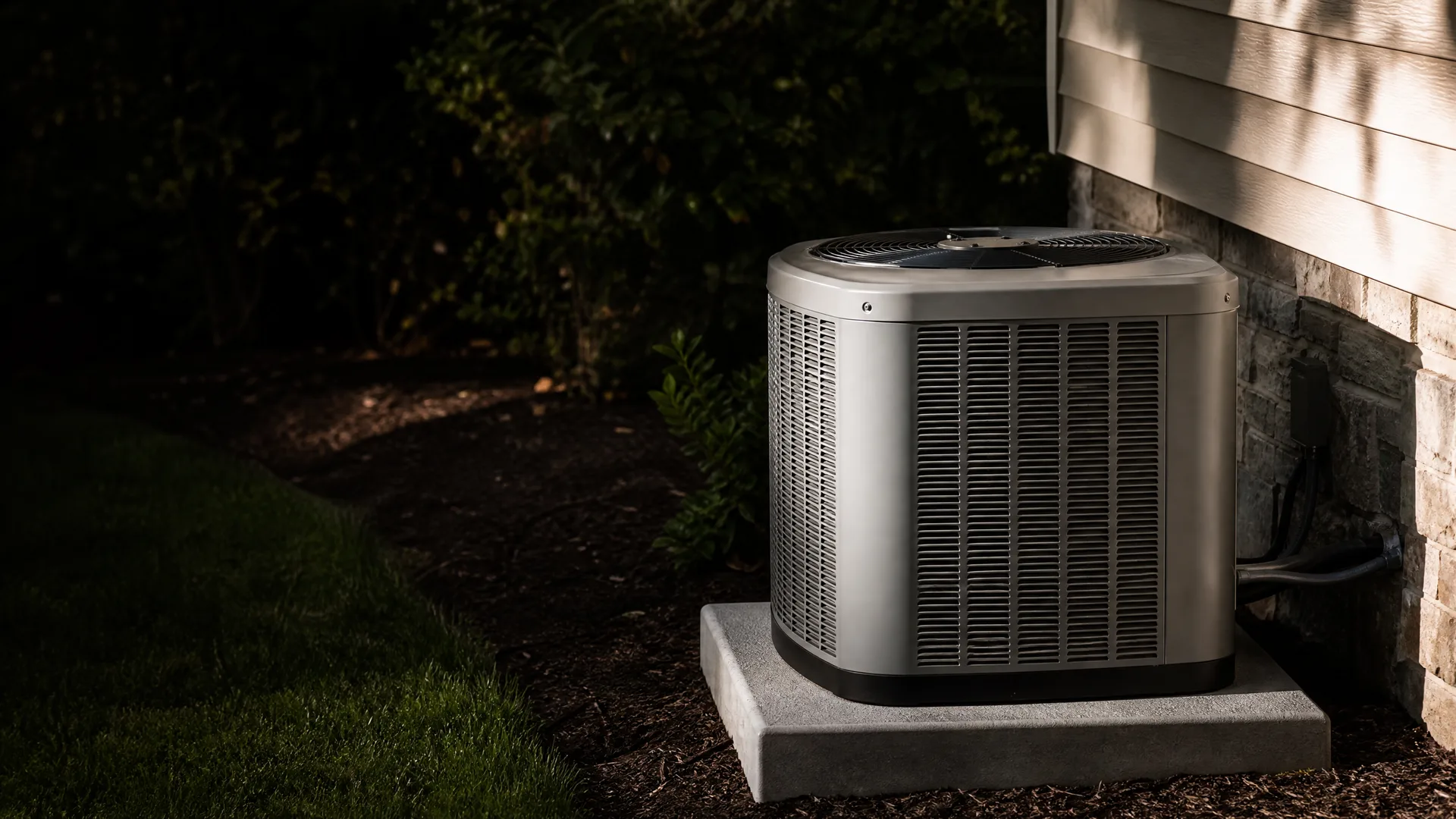
A clean, well-kept condenser can still struggle on the hottest days, but it has the best shot at holding 78. Clear fins and clean coils move heat out of the refrigerant efficiently, so the system spends less time working for the same result.
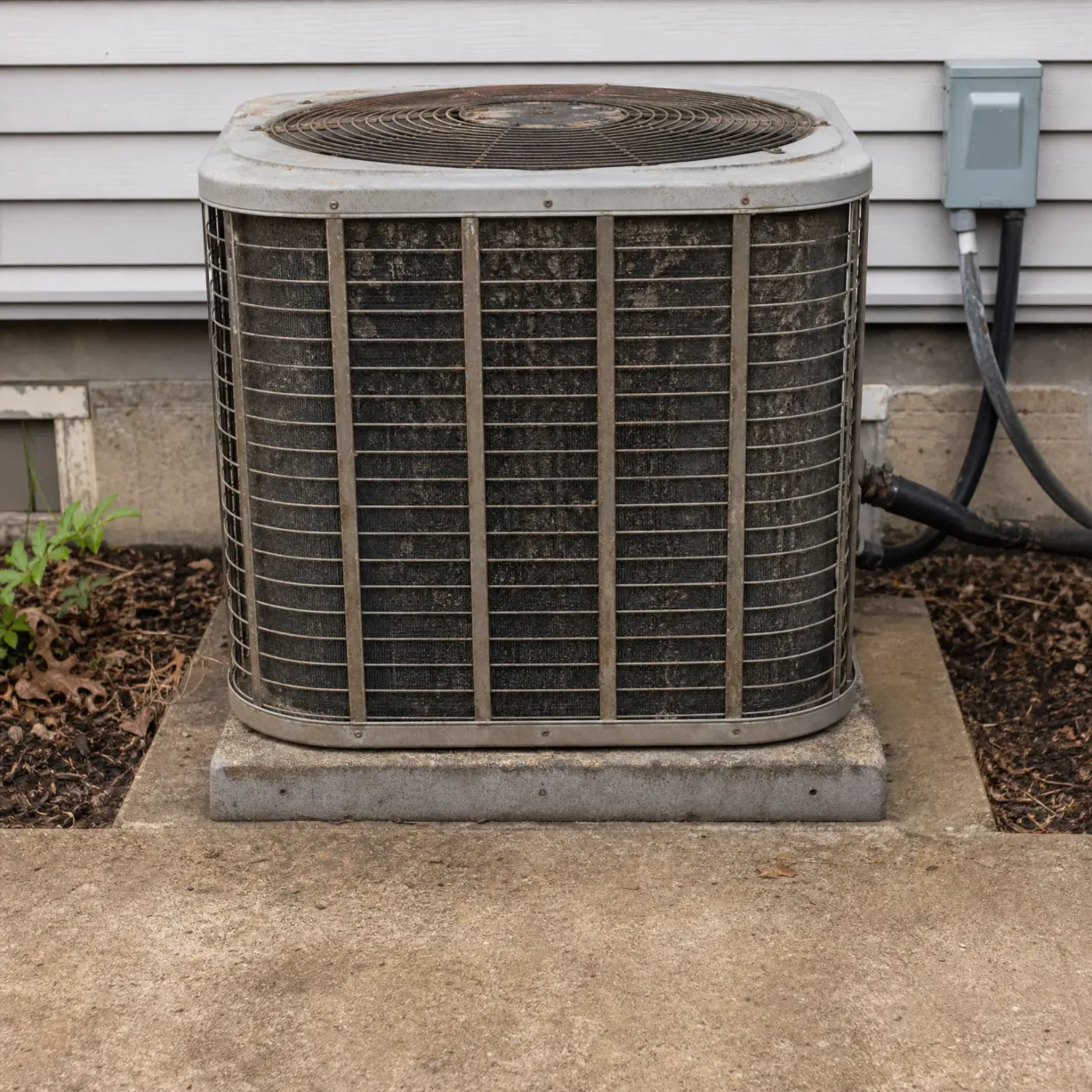
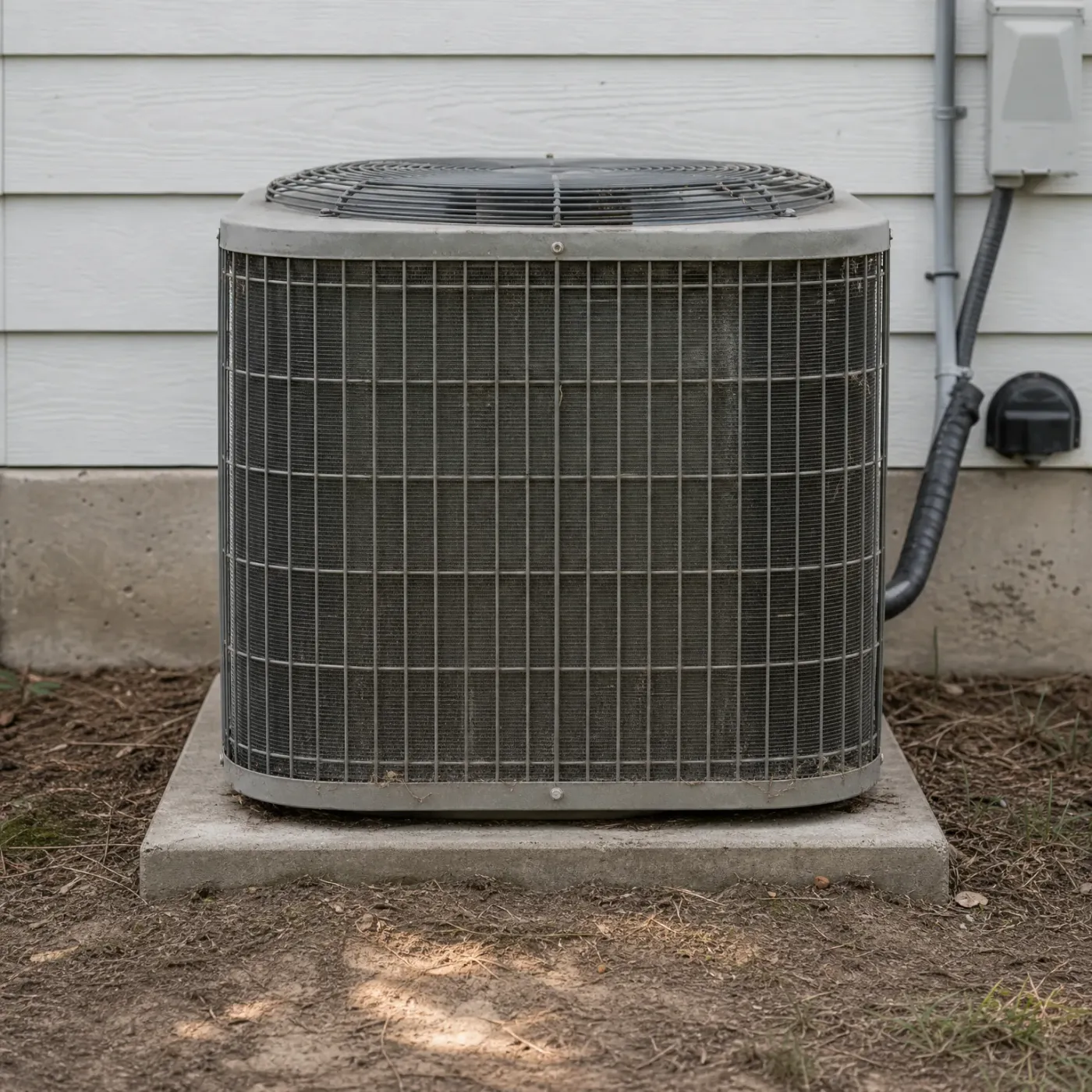
Dirty, weathered, and falling behind
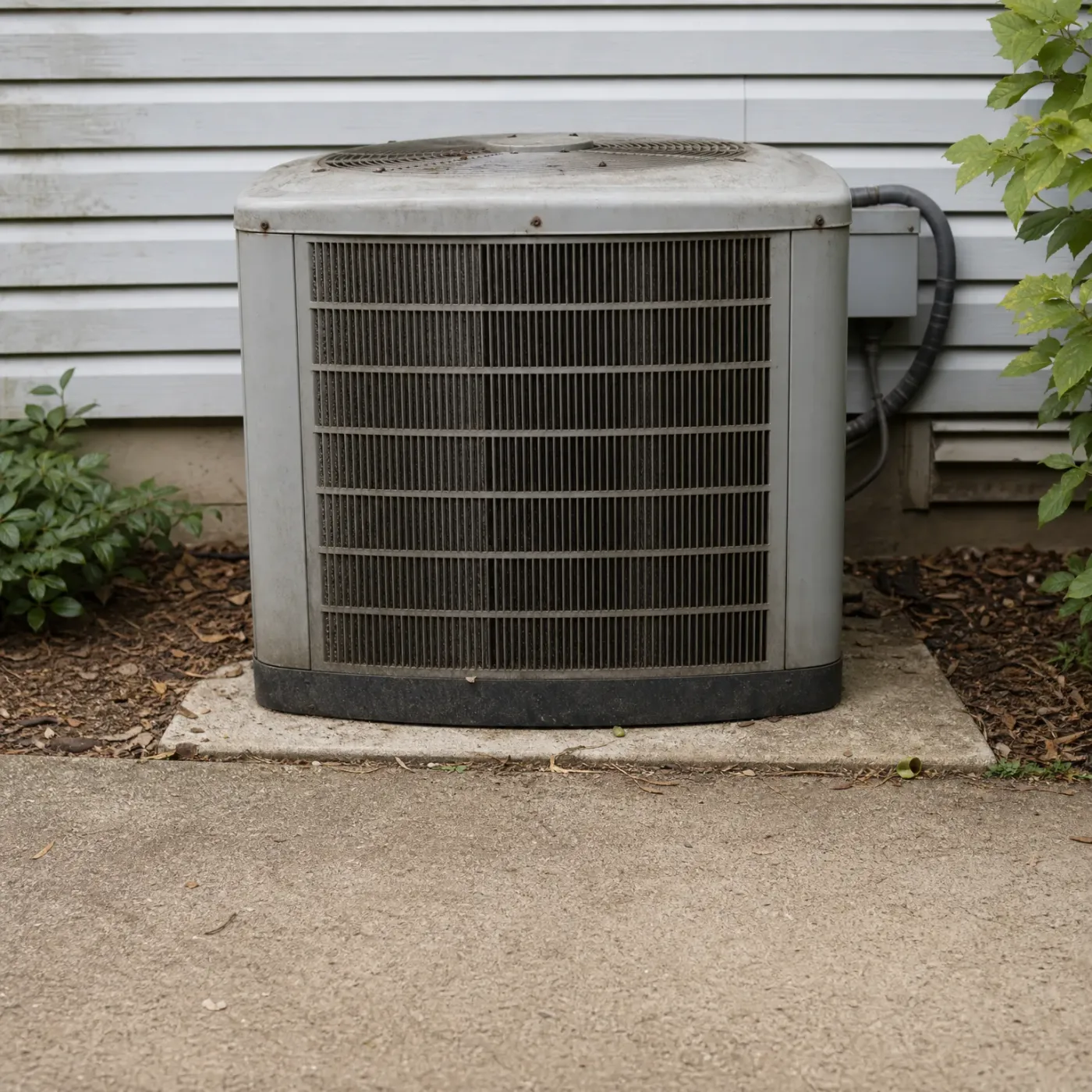
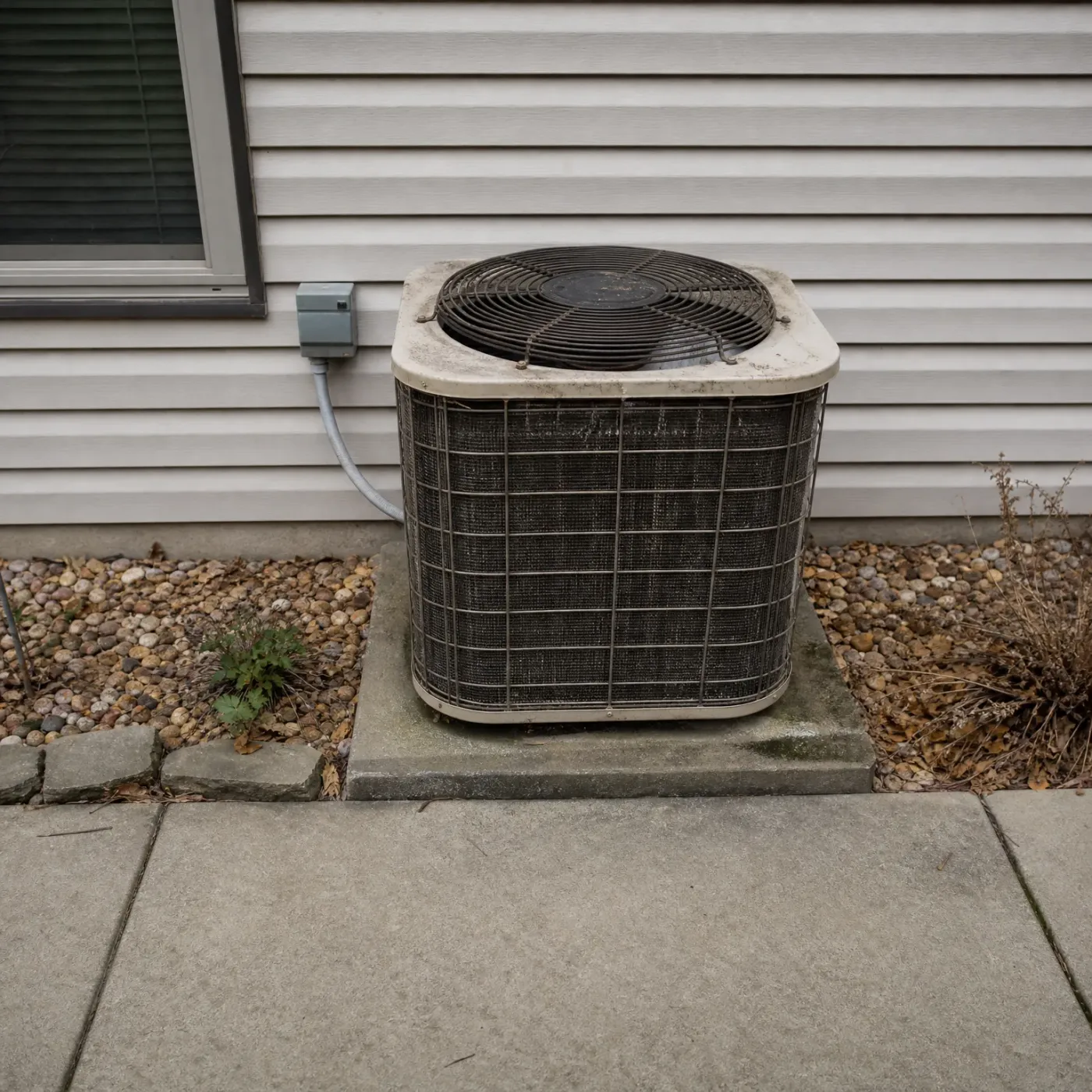
Dirt on the fins and grime on the casing block airflow across the coil, so the unit can't dump heat as fast as the house takes it on. On a 95 degree day, that's the difference between a system that catches up and one that just keeps running.
Before you get your air conditioner repairAfter you get your air conditioner repair
A local pro for your air conditioner repair
One form replaces the calls you'd make to find an air conditioner pro.
A local pro who knows air conditioners gets your details and gets in touch.
No charge to send it. You decide if you hire them.
A condenser that gets rinsed off and has clear space around it can move heat outside the way it's supposed to.
A coil caked with dirt and years of grime can't shed heat fast enough, so the house loses ground on the hottest days.
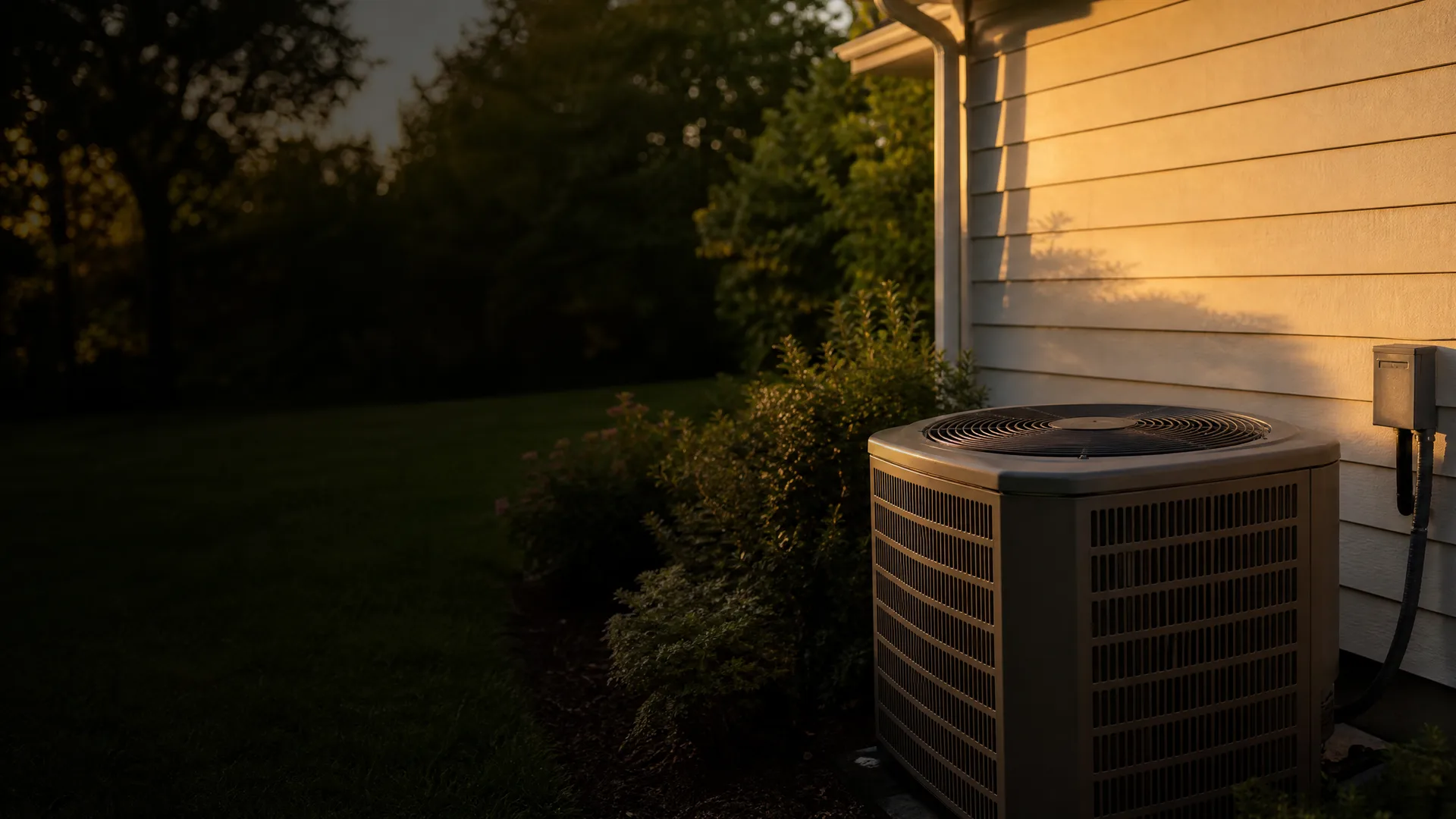
The sun's down to the treeline but the air hasn't broken yet, still thick enough to feel on your skin. You're out back checking on the unit because the house has been stuck at 81 since lunch. The condenser sits there quiet. No hum, no fan turning behind the grille. You crouch down and look through the slats and the blades aren't moving at all. Inside, someone's asking why it's so hot in the kitchen, and you don't have an answer yet. The cicadas are loud. The compressor might still be running, you can't tell from out here, but that fan going still means the heat has nowhere to go.
Low Charge vs Full Charge
Running low
A system low on refrigerant can still blow cold air, just not enough of it, so the house loses ground once the temperature outside climbs.
Ice can form on the indoor coil when charge is low, and that ice cuts airflow even further right when you need it most.
The compressor runs longer trying to make up the difference, which wears on it faster over a hot summer.
A low charge almost always means a leak somewhere in the line, not fluid that just ran out on its own.
Running full
A properly charged system can move the heat out of the house as fast as the unit was built to, hour after hour.
The compressor cycles the way it's supposed to instead of running flat out trying to close a gap it can't close.
Airflow across the indoor coil stays even, so the house cools at the rate the thermostat expects.
On a 95 degree day, a fully charged system still has to work hard, but it isn't fighting itself on top of the heat.
The dew point is what makes Florida heat feel so heavy, and it averages 74°F across June, July and August, per NOAA. Past about 65°F, air stops giving up its moisture easily, and at 74 it's holding about as much as it can. Your AC has to pull that moisture out before the house feels dry, and that takes real run time on top of just cooling the air. On a muggy afternoon you'll notice the system running long stretches, the thermostat holding at 78 instead of dropping further, and the air still feeling a little damp even when it's blowing cold.
NASA POWER T2MDEW county cells weighted by homes
Holding steady
This unit sits clear of the wall with room for air to move through the coil. The fan pulls hot air through clean fins and pushes it out the top without a fight. On a 95 degree afternoon, that matters. A condenser that breathes keeps pace with the house instead of falling behind it.
Falling behind
This one sits close to the siding with weeds growing up against the housing. Dirt and debris around the base choke off the airflow it needs to dump heat outside. The coil underneath is likely coated too. Weathered and boxed in like this, it can run all day and still lose ground once the sun gets high.
Power costs 15.21 cents per kilowatt-hour statewide
Florida homes paid 15.21 cents per kilowatt-hour in 2025, close to the national average. So when your AC runs nonstop trying to hold 78 on a brutal afternoon, the strain shows up on the bill without the rate itself being the problem. A struggling system just runs longer to do the same job.
EIA-861 2025 statewide residential average
When your AC can't hold 78 on a hot afternoon, it usually comes down to a handful of things: low refrigerant, a dirty condenser, a system that was never sized for a Florida summer in the first place. Each of those has a fix. None of them get better on their own by August. You could spend the afternoon searching for someone licensed to look at it, calling a few numbers, explaining the same thing about the house staying stuck at 81 three or four times, then sitting with quotes trying to guess which one is fair. Or you could skip that part. You already know what the house is doing and probably have a guess at why. What's left is getting the right person out to confirm it and deal with it, without you doing the legwork of finding them first.