


R-410A can still be serviced
Existing R-410A systems can still be repaired and recharged. The phase-out stops new production, not use of what's already running in your house.
Answer a few questions instead of calling shop after shop.
Skip the callsR-410A is being phased out under federal rules, and as of 2025 new air conditioners can't be made or imported using it. The new units sold now run on R-454B, a refrigerant that works differently in the system and isn't interchangeable with R-410A. If your AC already runs on R-410A, it can still be serviced and recharged for now, since the phase-out affects new equipment, not what's already installed. Florida runs its air conditioner nearly year round, so if your system is getting old, it's worth knowing that a straight swap to a new unit isn't always possible if your home's wiring, lines, or other parts were built around the old refrigerant. A licensed contractor can tell you whether your current system still has years in it or whether you're better off planning the switch now, on your terms, rather than after it fails in August.
At 15.21 cents per kilowatt-hour, every degree you ask your AC to drop shows up on the bill fast. A new R-454B system that cools your house efficiently matters more here than almost anywhere, since it's running most of the year to keep up with the heat.
EIA-861 2025 statewide residential average
R-454B carries heat out of your house at a different pressure than R-410A.
The compressor and coils are built specifically to handle that pressure.
A matched line set and refrigerant charge keep the new system sealed correctly.
Startup checks confirm the charge and airflow before the unit runs on its own.
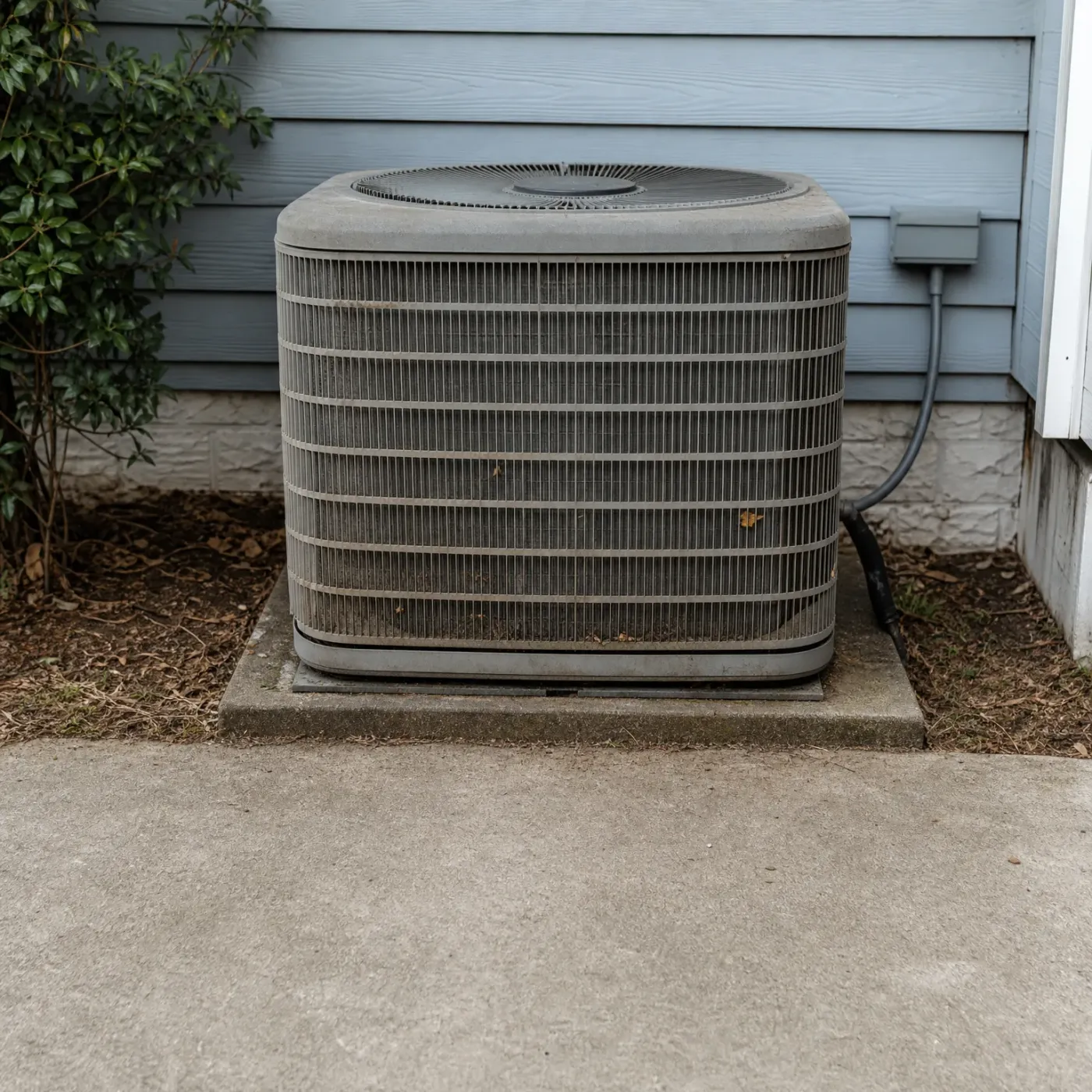
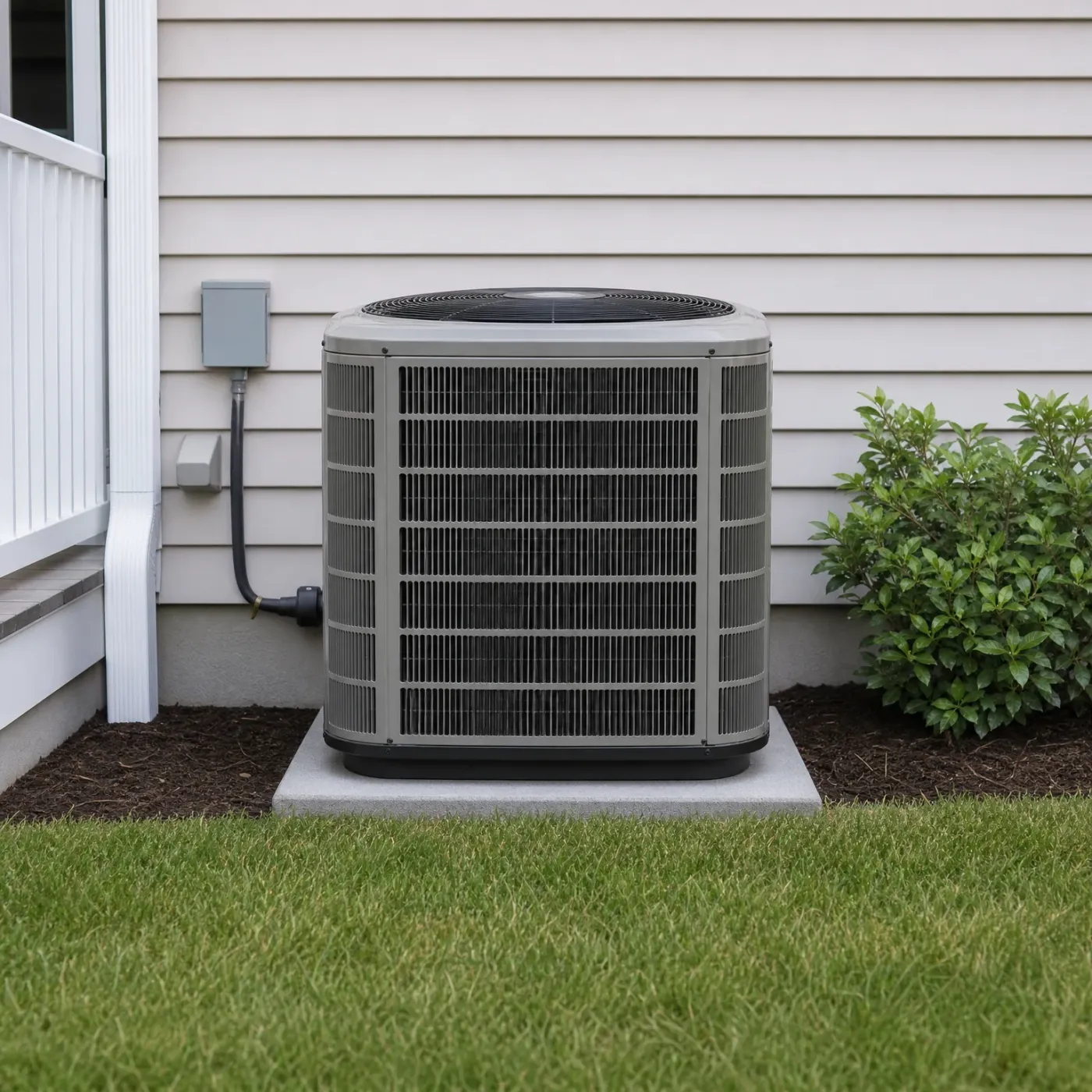
Existing R-410A systems can still be repaired and recharged. The phase-out stops new production, not use of what's already running in your house.
It's part of why the EPA mandated the switch. A contractor who installs these units regularly knows how the new charge and components differ from what you had before.



The National Weather Service puts the average summer dew point for Florida homes at 74°F across June, July and August. At that level the air is holding about as much moisture as it can, which is why your AC isn't just cooling your house, it's wringing water out of the air the whole time it runs. That extra load is what makes a system sized and charged right matter more here than in a drier state. An R-454B unit that's installed correctly, with the charge and airflow set for your house, will pull that moisture out steadily instead of cycling on and off and leaving the inside feeling damp even when the thermostat says it hit the set point. A contractor who installs these systems in Florida all summer knows how a 74°F dew point changes that setup, and that's the kind of local, hands-on experience a licensed installer near you brings to the job.
NASA POWER T2MDEW county cells weighted by homes
Finding someone to install an R-454B system means calling around to see who's actually working with the new refrigerant, explaining your old R-410A unit's layout to each one, then waiting on quotes to compare. That's the part this page skips. One request here goes to a licensed contractor working near you, not five companies competing for your callback. Someone local who installs these systems every summer has already seen which line sets and coil setups give people trouble in Florida heat, and what a proper charge and startup check should look like before they leave your house. You're not stuck explaining the phase-out or the pressure difference yourself. With dew points this high most of the year, your AC can't take a season off, and neither can the install. Getting matched with one contractor who knows this equipment is the part you don't have to figure out on your own.
R-410A isn't illegal to run, only to manufacture new. If your AC is on it now, a contractor can still service and recharge that system for as long as it holds up. When it doesn't, the replacement runs on R-454B, and that's a different machine inside, not the old one with a new label. The compressor, coils, and line set are built for the pressure R-454B runs at, which is why this isn't a swap of refrigerant in the same box.
Getting that installation right matters more in a Florida house than most places. Summer dew points near 74°F mean the unit is pulling water out of the air on top of cooling it, and at 15.21 cents per kilowatt-hour, a system that's sized and charged correctly the first time is the difference you feel on the bill every month it runs, which here is most of the year.
That's where a local contractor who installs R-454B systems in Florida homes all season earns the call. This is the equipment on their truck every week, so the charge specs and pressure settings aren't something they're looking up, they're what they already know cold. You give your old unit's details once, to one contractor, instead of repeating the same story to several companies while quotes trickle in. The equipment is new. Finding someone who already knows it shouldn't be the hard part.
No phone calls to make