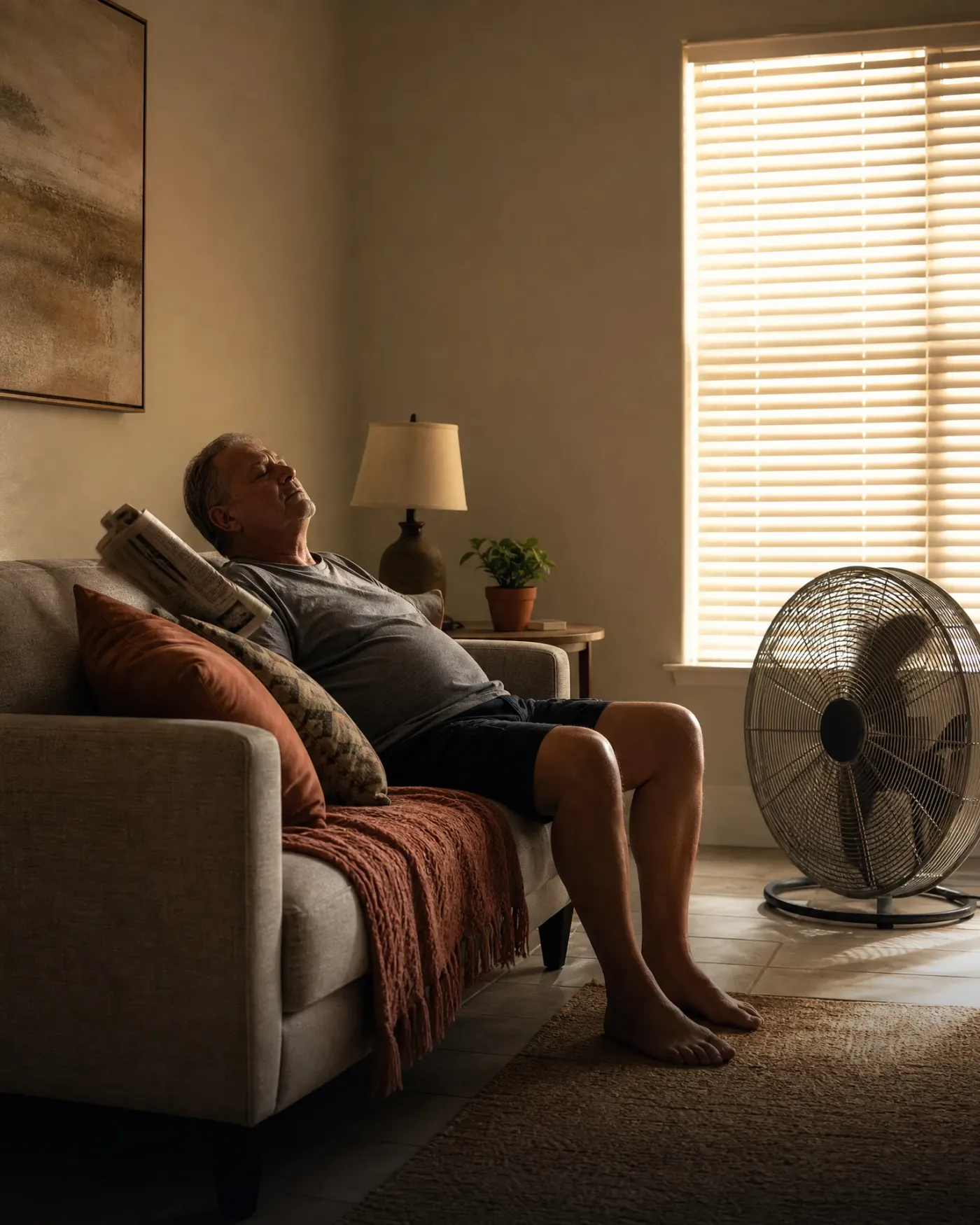
Signs of a bad AC capacitor in Florida
What are the signs of a bad AC capacitor in Florida?
Your AC trips off and on, hums without starting, or the fan runs but no cold air comes out. In Florida, that kind of trouble tends to show up fast because the system runs so much of the year. You want to know if the capacitor is the problem before you have someone come look at it.
The unit hums but the fan won't start, or it shuts off on its own
A bad capacitor usually shows up as the outdoor unit humming without the fan turning, or the fan starting slow and struggling to get up to speed. Sometimes the whole system shuts off a few minutes after it starts, then kicks back on later. The capacitor stores the charge that gets the compressor and fan motor moving, and once it weakens, those motors don't get the push they need to start. In Florida, the AC runs almost constantly through the summer, and that steady demand wears capacitors down faster than a system that cycles on and off a few times a day. A capacitor that's starting to fail rarely fixes itself and tends to get worse within days or weeks.




Why capacitors fail here
A capacitor gives the compressor and fan motor the jolt they need to start, then keeps the fan motor running steady. Heat wears it down faster than almost anything else, and your outdoor unit sits in direct sun through a long, muggy summer with the compressor cycling on and off all day. Every start puts a small strain on the capacitor, and in Florida that happens far more times a year than in a place with a short summer. The capacitor is rated for so much electrical charge, and that rating drops a little every time it heats up and cools back down. Eventually it can't hold enough charge to do the job.
What happens when it goes
A capacitor usually doesn't fail all at once. It weakens first, and a weak capacitor still works sometimes, which is why the trouble can come and go for a while before it's constant. The fan might start fine on a cooler morning and fail to start once the afternoon heat sets in. A technician checks it with a meter against its rated microfarad number, not by looking at it, since a swollen case is a sign but a capacitor can test bad with no visible damage at all. Replacing it is a small part swapped for a new one rated to match the system.
Power costs 15.21 cents per kilowatt-hour statewide
At 15.21 cents per kilowatt-hour, a bad capacitor costs you more than a service call. A weak one makes the compressor strain to start, pulling extra power every time it tries and fails. Left alone, that shows up on your next bill before the unit quits for good.
EIA-861 2025 statewide residential average
Keep running it and hope it holds, and you risk the compressor itself. A compressor that strains against a weak capacitor enough times can burn out, and that's a different repair than swapping a part that costs a fraction as much.
Get it looked at once the symptoms start, and a licensed tech can usually swap the capacitor in one visit. It's a part built to be replaced, not a sign anything else is wrong with your system.
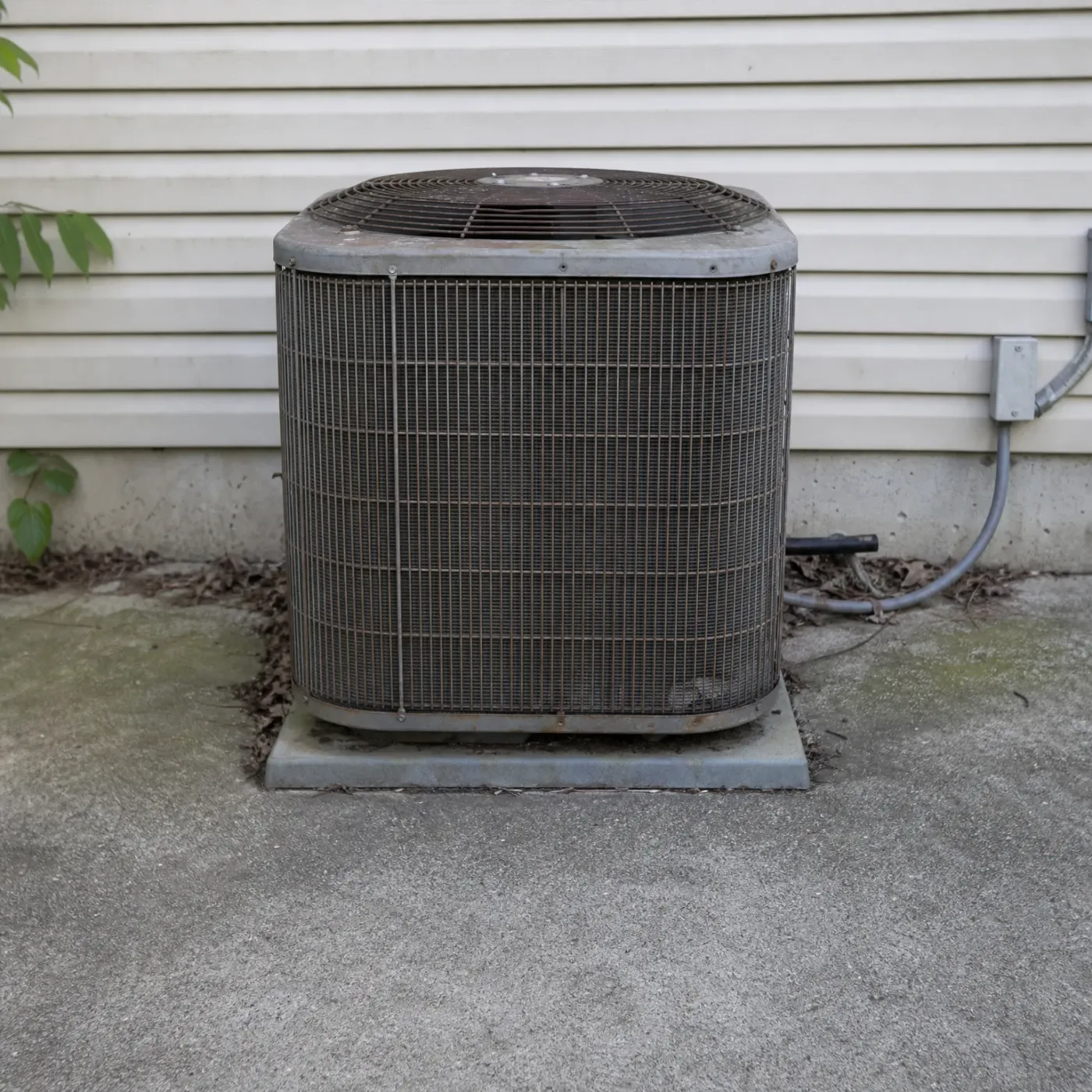
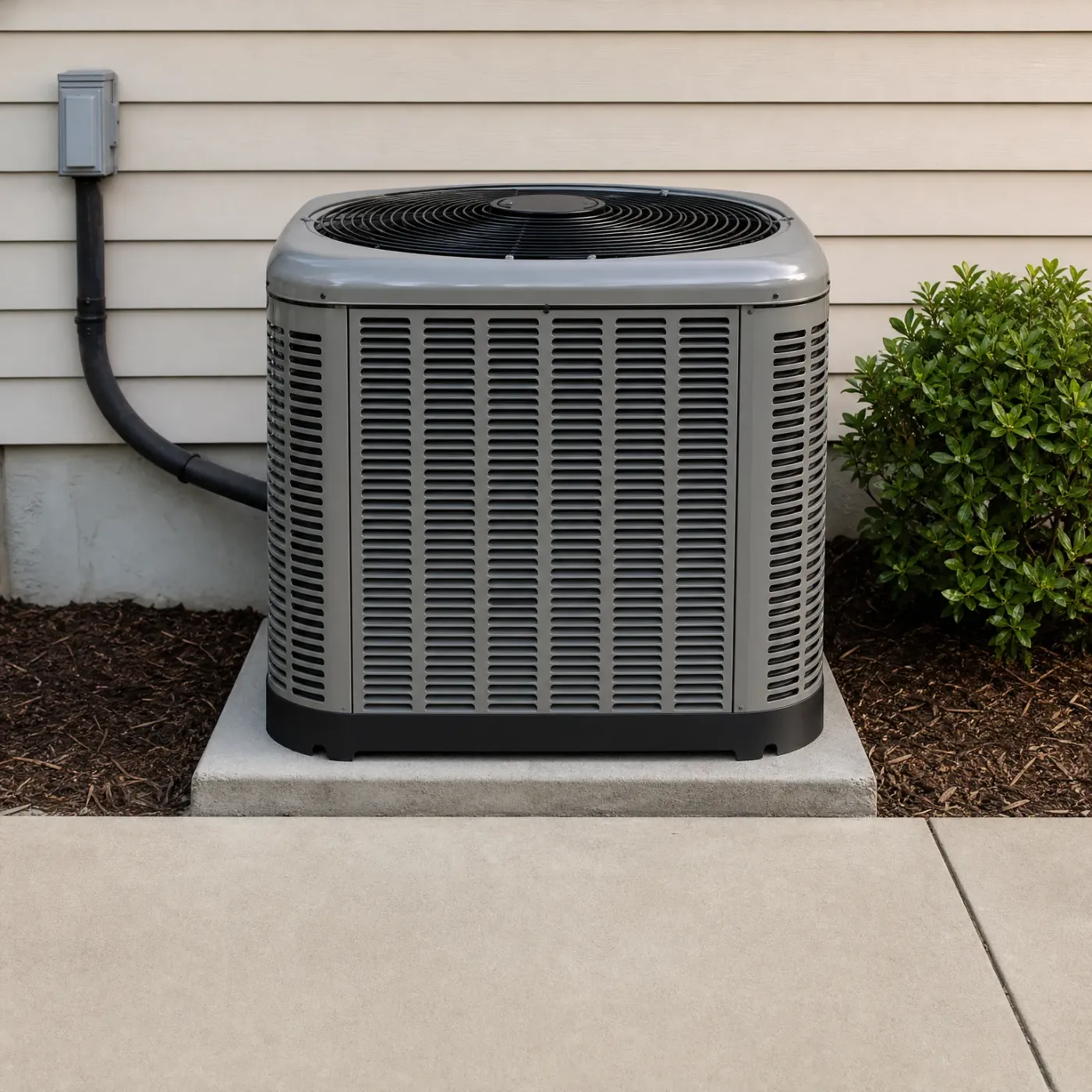
A pro who works on air conditioners

Your request goes to one pro, not a list of companies.
You only hire the pro if you want to.
A Bad Capacitor, Caught in Time
- Humming with no start, random shutoffs, and a fan that runs without cold air all point to the same part.
- Florida heat shortens a capacitor's life faster than almost any other condition it faces.
- A weak capacitor makes the compressor pull extra power every time it tries and fails to start.
- Ignoring it risks the compressor itself, a repair that costs far more than the capacitor.
- A licensed local contractor who works on these systems all summer can confirm the part and replace it the same visit.
- Catching it early keeps a cheap fix cheap instead of letting it turn into a compressor replacement.
A capacitor going bad in Florida rarely stays quiet for long. The heat that wears it out is the same heat that makes you notice fast when the air stops coming out cold, or the unit clicks and hums and won't catch. Those are mechanical signs, not guesses. The part either sends the charge the compressor and fan motor need or it doesn't, and when it's failing, the strain shows up right away in how the system behaves and in what it pulls from the meter. A compressor that keeps trying against a weak capacitor is working harder than it should every single time, and that doesn't fix itself. It either gets replaced as the small part it is, or it keeps straining until the compressor itself gives out, and that's a repair on a different scale entirely. None of this calls for guesswork on your end. A licensed contractor who services air conditioners through a Florida summer has tested this part more times than almost anything else on the truck, and can usually confirm it and swap it out in the same visit. What matters most is timing. Caught early, it's a straightforward fix. Left alone, it can take the compressor down with it. You don't need to diagnose it yourself to know when something's off. You just need to get the right person looking at it before the part that's struggling takes something bigger down with it.


Get your air conditioner to the right pro
A capacitor that's struggling doesn't fix itself, and in Florida heat it tends to get worse quickly. Catching it early means a small repair instead of a burned-out compressor. When you request service, you're matched with one licensed contractor local to your area, someone who works on AC units all summer and knows how a bad capacitor usually shows up here. They'll reach out directly, so you're not fielding calls from several companies trying to win the job.
The pro who reaches out is licensed in Florida.
Asking costs nothing, and the choice to hire stays yours.