






Profile view of a bearded man wearing a dark green baseball cap and a dark gray T-shirt against a plain light background.

Is a two-stage AC worth it in Florida

Step 1 of 3: Equipment

Is a two-stage AC worth it in Florida?

You're looking at a two-stage system because your AC runs most of the day every summer and you want to know if paying more for one actually makes sense here, or if it's a feature made for climates that don't run their air conditioner nine months a year the way Florida does.

Yes, because Florida AC units run on low speed almost all the time

A two-stage AC runs on a lower speed most of the time and only shifts to full power on the hottest afternoons. In Florida, where the unit is cooling from April through October, that low stage is doing the work on the vast majority of those days. A single-stage unit only has one speed, full blast, so it short cycles even on an 85 degree day when it doesn't need to work that hard. The two-stage system also pulls more humidity out of the air at low speed, since it runs longer at a gentler pace, which matters in a place where the air itself feels heavy. That longer, steadier runtime is also easier on the compressor than constant stopping and starting.

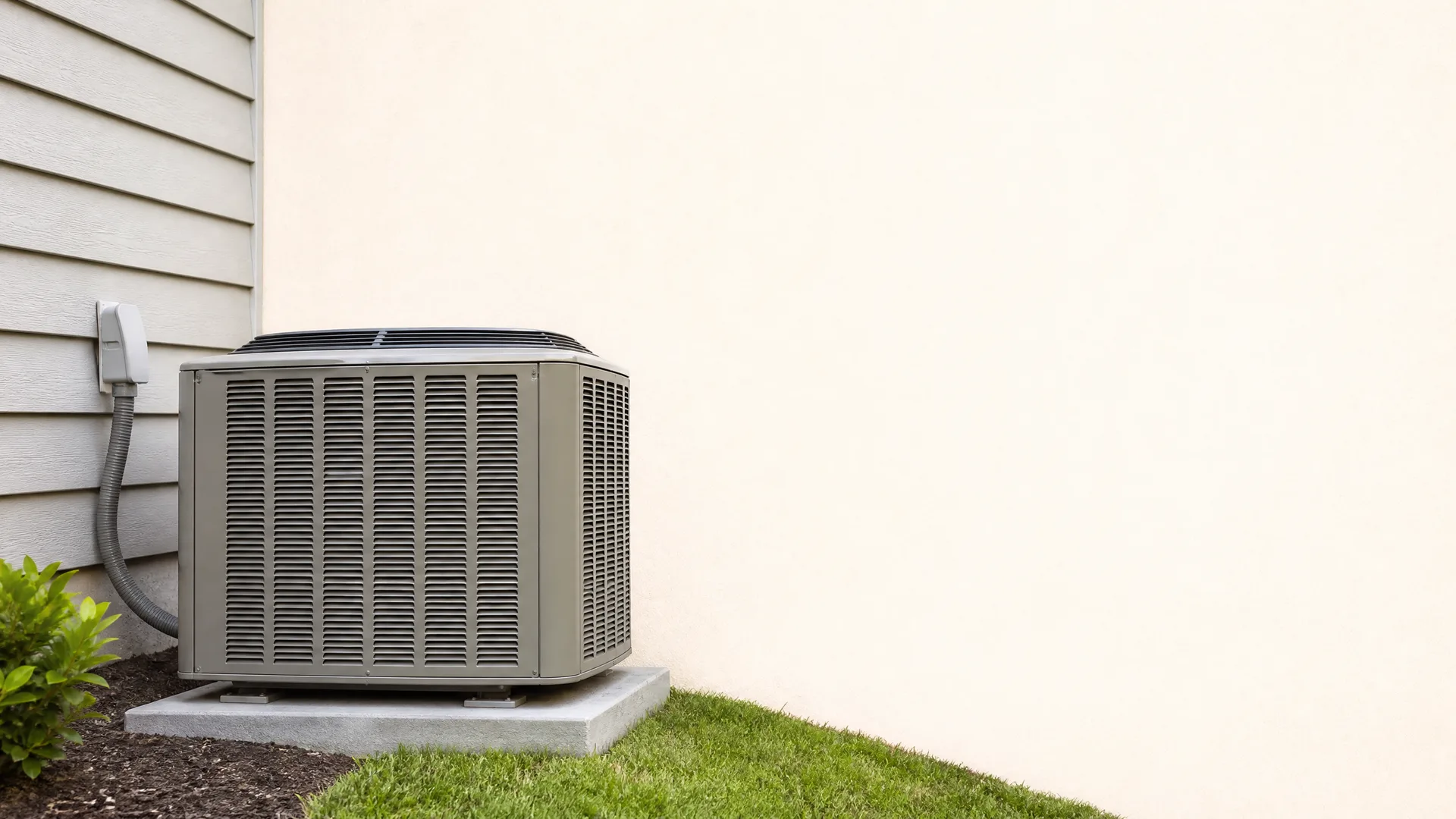
An outdoor air conditioning condenser unit on a concrete pad at the corner of a house, next to vinyl siding and a plain light-colored wall, with grass and a mulch bed in the foreground.

What the low stage does

A two-stage unit runs most of its hours on the lower setting, around 65 to 70 percent of full capacity. Florida's humidity is what makes this matter. The low stage moves air slower across the coil, so more moisture condenses out before the air goes back into your house. A single-stage unit runs at full power or not at all, and full power pushes air past the coil fast, leaving more humidity behind in the room.

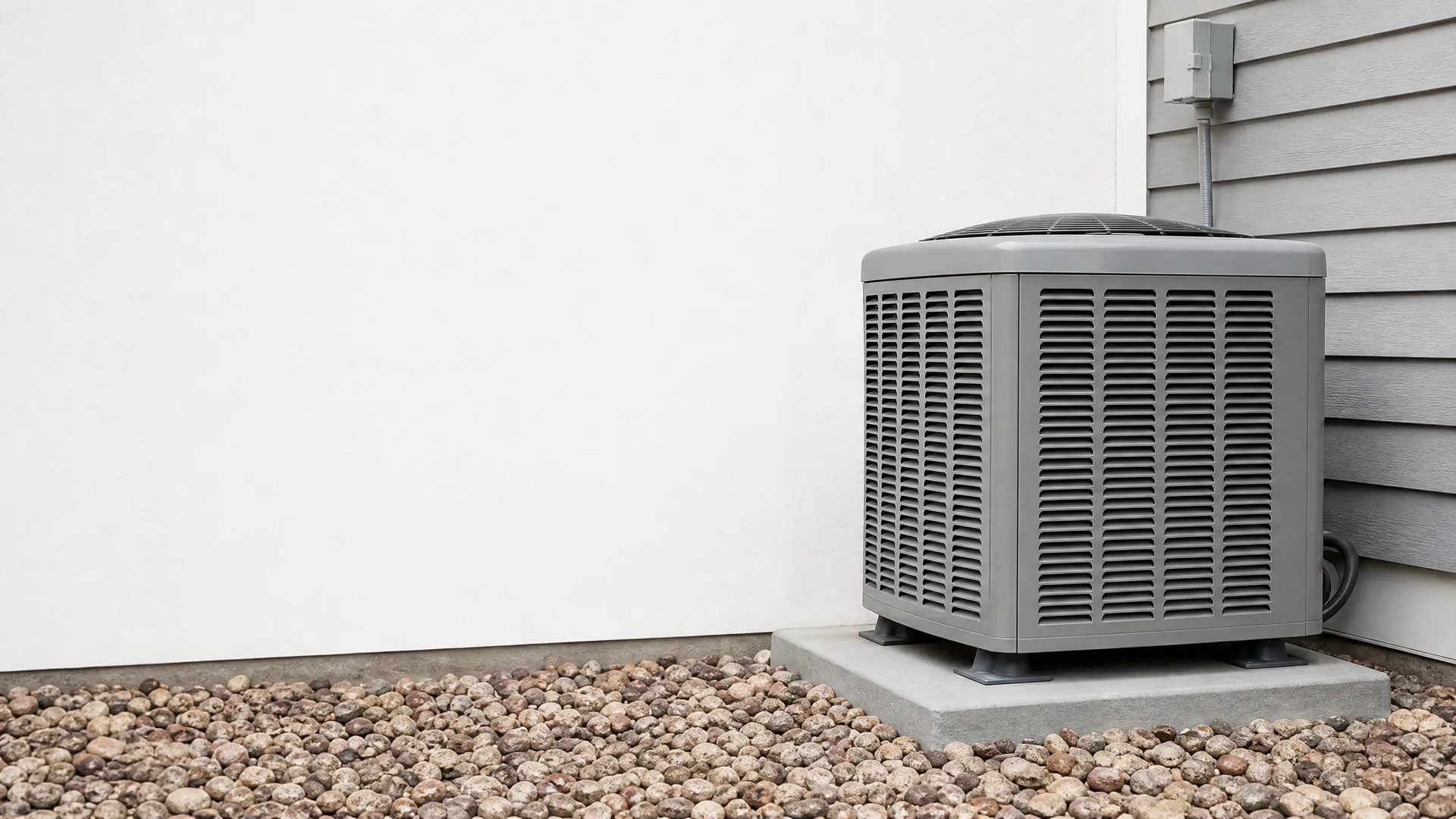
A gray outdoor air conditioning condenser unit sits on a concrete pad beside a white stucco wall and gray horizontal siding, surrounded by rounded landscaping gravel, with an electrical disconnect box mounted on the siding above.

Why long low-speed runs help

A single-stage AC cycles on, cools fast, and shuts off, often several times an hour on a hot afternoon. Each restart is a jolt on the compressor and a few minutes where the house isn't being dehumidified. The low stage on a two-stage system can run for an hour or more without stopping. Longer runs at lower speed wear the compressor less per hour of cooling and keep indoor humidity steadier through the parts of the day when your AC is working the hardest.

Is your AC running all day but the house still feels damp

Your AC kicks on in the morning and the outdoor unit barely stops until evening. The thermostat says 74 and the house still feels sticky. Floors feel cool but not dry. Wood doors stick some months and not others. You notice it most in a back bedroom or a room with a lot of windows, the one that never quite matches the rest of the house. A single-stage system is either running full blast or off, so every time it shuts down, the humidity it just pulled out starts creeping back in before the next cycle. Left alone, that damp air gives mold and mildew a place to start, especially in closets and bathrooms that don't get much airflow.

A gray-haired man in a dark sweater sits on a light gray sofa in a living room, looking toward a sunlit window with trees outside.
A gray-haired man in a dark blue sweater sits on a light gray sofa in a sunlit living room, looking off to the side, with a potted plant, shelving unit, and large glass doors behind him.
A bearded man with graying hair in a dark green sweater sits on a sofa in a living room, looking off to the side, with a sliding glass door and a dim kitchen doorway behind him.
A gray-haired man in a dark knit sweater sits on a light gray sofa in a living room, looking toward a sunlit window, with houseplants, a lamp, and framed art in the background.
A closed silver laptop and a ceramic mug of dark coffee sit on a wooden table in front of two chair backs, with a kitchen counter, tiled backsplash, wooden cutting boards, a vase of greenery and a potted plant by a window behind.

What decides when the compressor shifts stages

A two-stage system reads two things to decide which stage to run on: how far the house is from the set temperature, and how long it's been running. On a mild afternoon it holds the low stage and just runs longer to make up the difference. On a 95 degree day with the sun on the roof, it climbs to high stage because low alone can't keep up with the heat coming through the walls. The switch happens inside the outdoor unit, at the compressor itself, not at the thermostat.

Getting that staging logic set right for a Florida attic, where duct runs sit in the heat all day, is not something a one-size setup handles well. A contractor who installs these year-round in homes like yours knows how to size the system and set the staging so it actually spends most of its time low instead of defaulting to high out of habit. That's the difference between finding someone who sells the unit and finding someone local who sets it up to work.

A gray upholstered sofa with a matching cushion sits beside a potted plant and a wooden table holding a small green plant in a stone pot, near a curtained window.
  1. Thermostat calls for cooling and the system starts on low stage.

  2. Compressor runs at partial capacity, moving refrigerant slower through the coil.

  3. Indoor blower matches the lower airflow so moisture has time to condense.

  4. Control board tracks how long the low stage has been running.

Single-Stage vs Two-Stage in Florida

Single-stage

  • Runs at full capacity every time it starts, so it reaches the thermostat's setpoint and shuts off sooner.
  • Costs less to install than a two-stage system of the same tonnage.
  • Shorter run times mean less time moving slow air across the coil, so less moisture gets pulled out of the air per cycle.
  • Fewer parts to the staging control, so there's less in the system that can fail later.
  • Cycles on and off more through a Florida afternoon, since full capacity cools the house quickly and then stops.

Two-stage

  • Spends most of its running hours on the low setting, moving air slower across the coil so more humidity condenses out.
  • Longer, steadier cycles instead of short bursts, which keeps indoor temperature and moisture more level through the day.
  • Shifts to high stage on its own during a heat wave or when the house is far from the set temperature.
  • Has more in the control board and compressor staging that a contractor needs to get right at install and on service calls.
  • Costs more upfront than a single-stage unit before any difference in monthly power use.
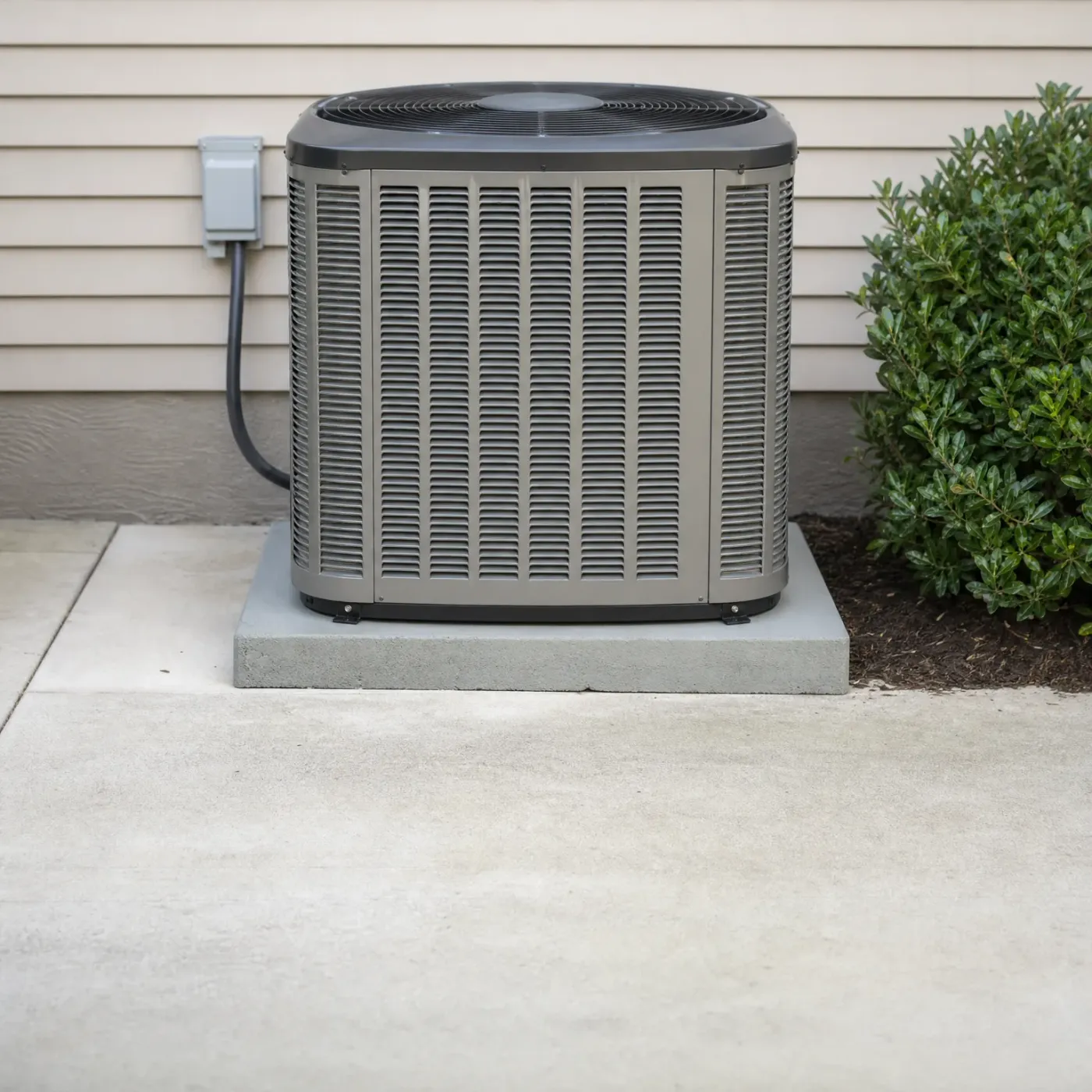
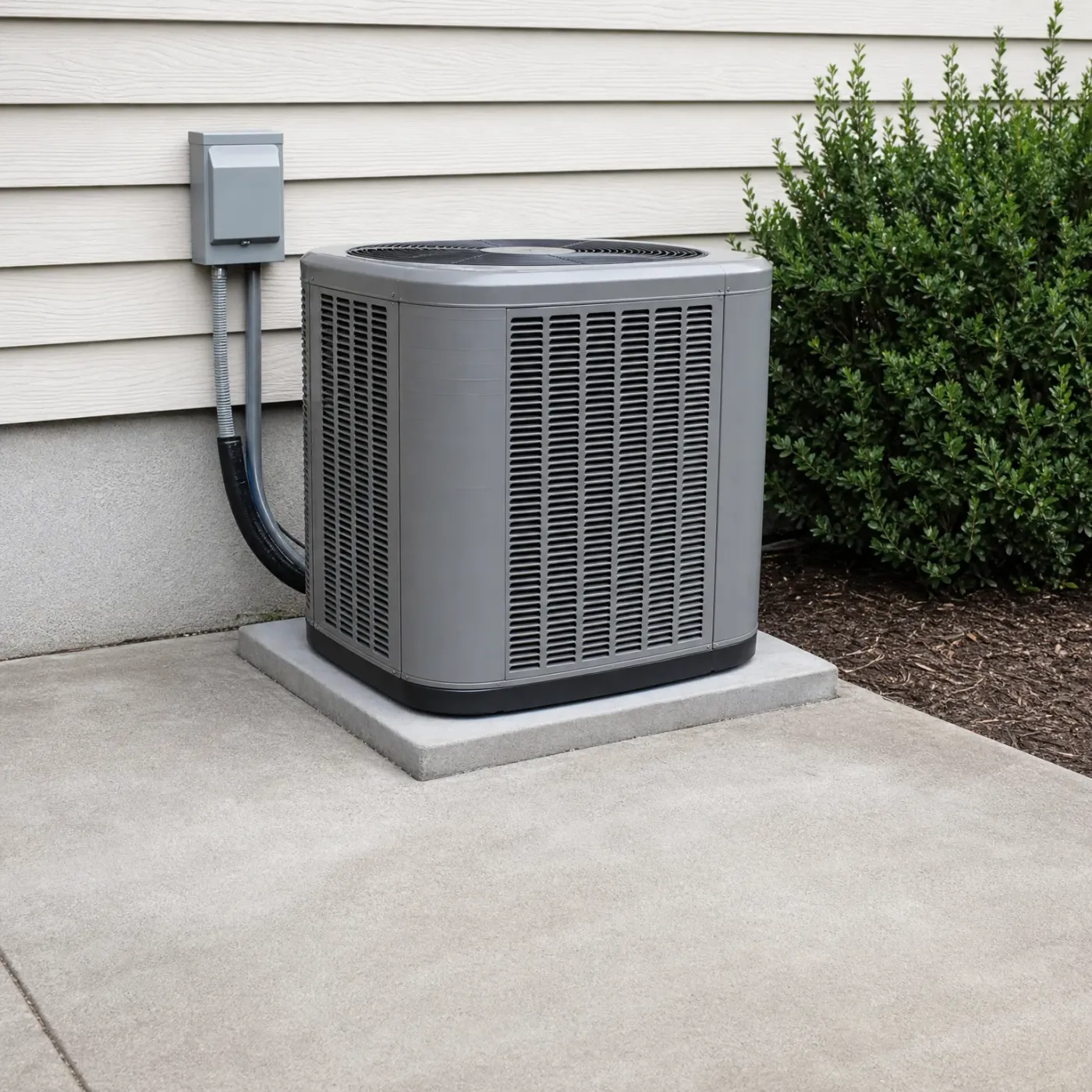
A gray outdoor air conditioning condenser unit on a concrete pad beside a house with horizontal lap siding, with a wall-mounted disconnect box and conduit to the left and a green shrub with mulch to the right.

Clean coil, steady run

A condenser that's clear of debris pulls air through evenly, so the low stage can do its job and pull moisture out of the house. The disconnect box and lines stay accessible for service, and the unit cycles the way it was set up to.
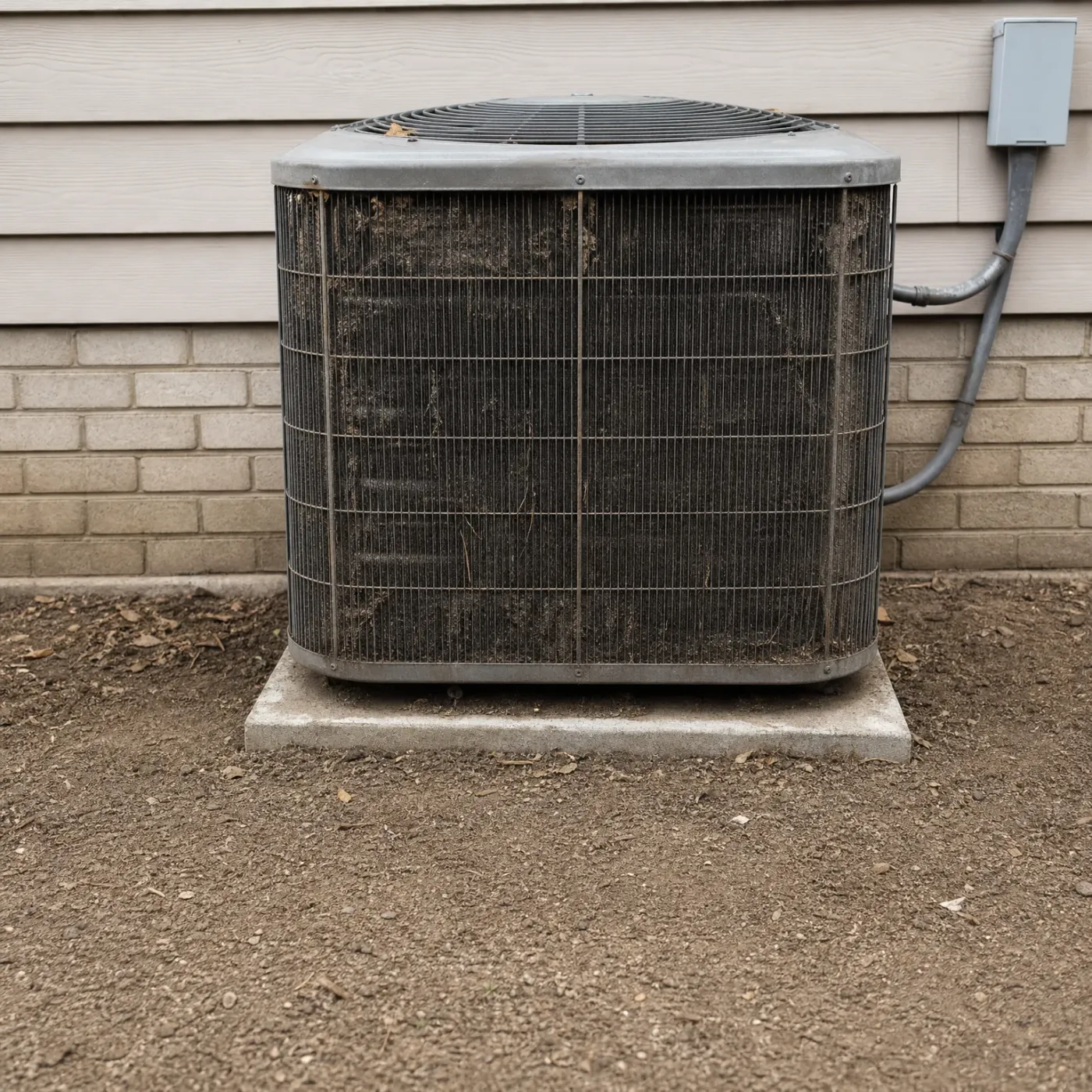

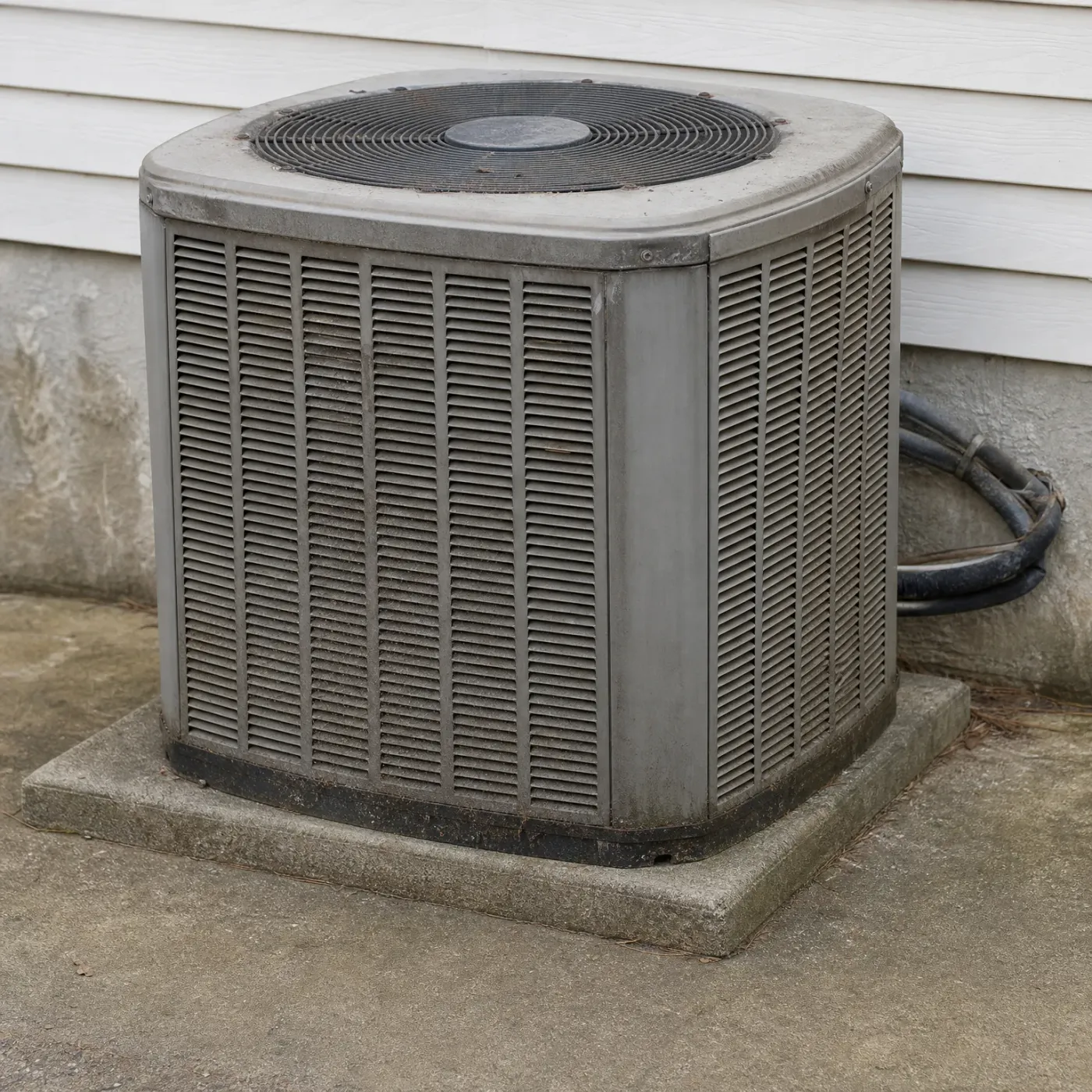
A dirty outdoor air conditioning condenser unit on a concrete pad beside a house wall with horizontal siding above a painted brick foundation, with a gray electrical disconnect box and conduit on the wall.

Coil clogged with grime

Dirt packed into the fins blocks airflow across the coil, so the compressor pushes into high stage more often just to keep up. That's more run time, less dehumidifying, and a coil a technician needs to clean before staging decisions mean anything.

A middle-aged woman with shoulder-length dark hair, wearing a gray cardigan over a cream top, sits in an upholstered armchair and looks toward a sunlit window, with a shelf holding framed pictures and a plant behind her.
A woman and a child wrapped together in a thick knitted blanket on a sofa, both with eyes closed, with a lit table lamp and houseplant in the dim background.

One form, no calling around

You've read what the low stage does and why it matters in a house this humid. The part left to decide is whether that's worth paying for on your system, in your house, with your ductwork. That's not something to figure out alone from a spec sheet. A contractor who installs these year-round in Florida has seen which houses get the moisture improvement and which ones don't gain much over a single-stage unit, and can look at your ducts and your current system before you commit to anything. Getting to that answer yourself means calling around, explaining your situation to each one, and comparing quotes that size things differently. This sends your request to one licensed local contractor instead, someone who works on this equipment every summer here and knows what tends to fail first in it. You're still the one deciding if the cost makes sense. The question is whether you want to spend the next few days finding someone to ask, or ask now while your AC is still running all day and the house still feels damp.

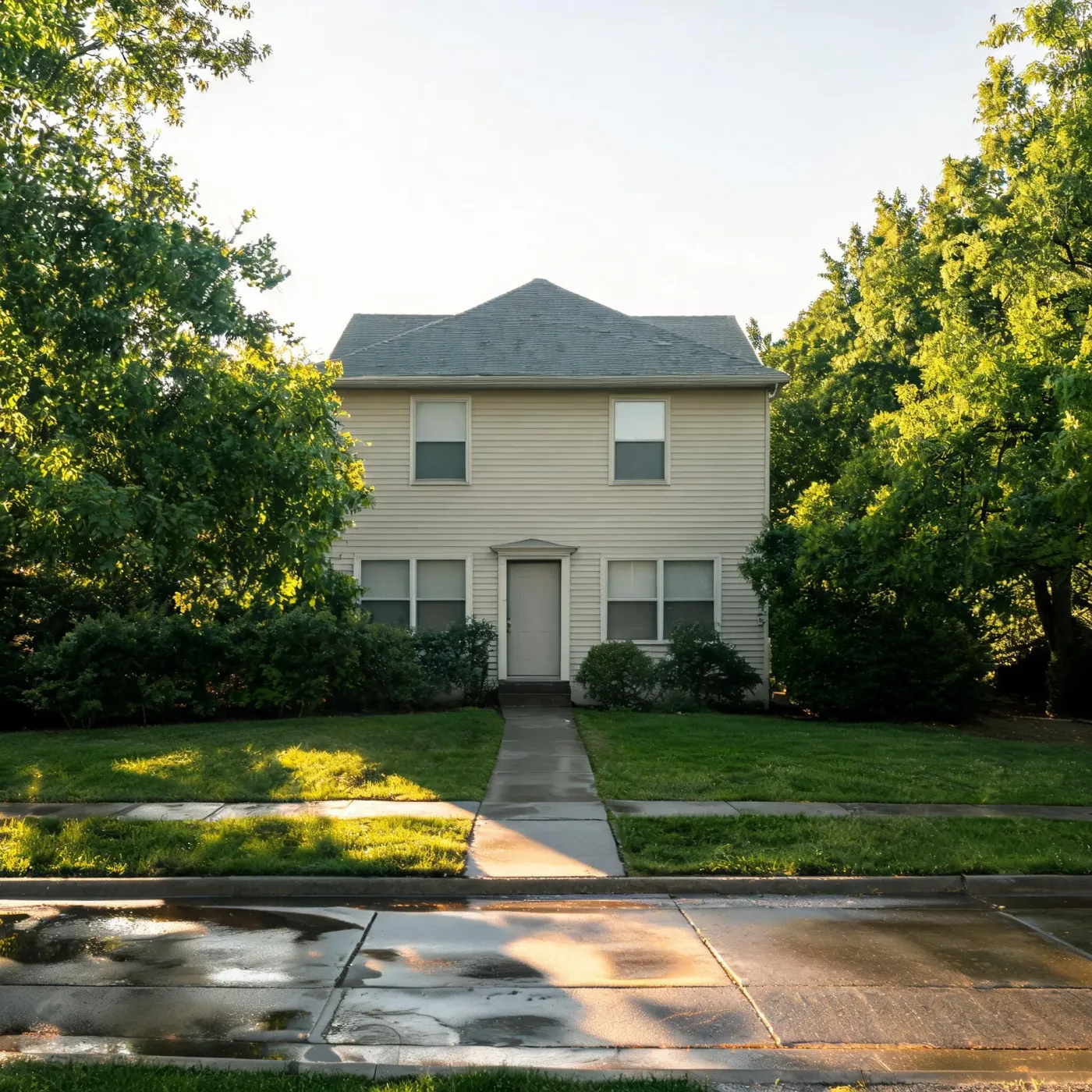
A two-story cream-colored house with horizontal siding and a gray hipped roof, flanked by large green trees and shrubs, with a concrete walkway crossing a lawn to a wet street in the foreground.

Average dew point across June, July and August in Florida sits at 74°F, by NOAA's averages. That's the heavy, can't-shake-it kind of air, the point where your skin feels damp even standing still indoors. Your AC has to pull that moisture out of the air it circulates, not just cool it, and a single-stage unit does that in short, full-power bursts before shutting off. A two-stage system spends more of its time on the low setting, moving air slower across the coil, which gives the moisture more time to condense out. At a dew point this high, that difference shows up as a house that actually feels dry, not just cold.

NASA POWER T2MDEW county cells weighted by homes

An outdoor air conditioning condenser unit on a concrete pad beside a house with horizontal lap siding, with an electrical disconnect box and conduit on the wall and a green shrub to the right.
A clean condenser with steady airflow lets the low stage run long enough to actually pull moisture out of the house.
An outdoor air conditioner condenser unit on a concrete pad beside a house with horizontal siding and a lower concrete foundation wall, with coiled refrigerant lines at right.
A dirty, weathered condenser restricts airflow, so the system leans on short bursts of high stage and the house stays sticky.

Inside the two-stage compressor

  • A two-stage compressor has two fixed capacity settings, not a dial, so it only ever runs at roughly 65 to 70 percent or 100 percent.
  • The low stage uses a smaller set of refrigerant valves inside the compressor to limit how much it compresses per cycle.
  • A single-stage system restarts fresh each cycle, while a two-stage system often restarts on low and climbs to high only if the house keeps calling for cooling.
  • Sizing a two-stage unit depends on both stages matching your ductwork, because low stage airflow that's too weak for your duct run won't move enough air to dehumidify.
  • The control board logs how long each cycle runs on low before deciding whether to step up, so a short cycle history pushes it toward high stage sooner.
  • A two-stage system paired with the wrong blower speed can still short-cycle on high stage even with the extra hardware in place.

A single-stage compressor has one setting. It's either running full out or it's off. A two-stage compressor has a second, smaller set of valves that let it compress less refrigerant per cycle, which is how it runs at partial capacity instead of full. That's the whole mechanical difference. There's no dial or variable setting in between, just two fixed points the compressor can sit at.

What changes is how the system decides which point to use. A single-stage unit starts fresh every time the thermostat calls for cooling, full capacity, no ramp-up. A two-stage unit usually starts on low and stays there unless the house keeps calling for more. The control board is tracking something while this happens: how long the current cycle has run on low. If that cycle is short, the board reads the house as needing more and steps up to high sooner. If it's long, it holds low and lets the system keep running there.

None of this works right if the ductwork and blower aren't matched to it. Low stage moves less air, and if your duct run was sized for a single-stage system's full-capacity airflow, low stage might not move enough air to pull moisture out the way it's supposed to. The compressor can be doing its job perfectly and the house still won't dehumidify, because the air isn't moving through the ducts the way the stage expects. Even with two-stage hardware installed, a mismatched blower speed can leave the system short-cycling on high, which defeats the reason to have two stages in the first place.

Power costs 15.21 cents per kilowatt-hour statewide

At 15.21 cents per kilowatt-hour, every hour your compressor runs on high stage instead of low costs more than it needs to. A system that spends most of its time at partial capacity, the way a two-stage one does, keeps that rate working against a smaller draw instead of a full one, all summer long.

EIA-861 2025 statewide residential average

A two-stage system earns its keep in a climate where the air stays heavy from June through September and the compressor barely gets a break. That's Florida. The low stage is what pulls moisture out of your house instead of just cooling it fast and shutting off, and that's the difference you've been feeling as stickiness even when the thermostat reads 74. Whether it's worth the extra cost on your house depends on your ductwork, your current unit, and how your home holds humidity, which is why this isn't something a spec sheet settles on its own. The contractor who looks at your system is local and licensed, and works on this kind of equipment through every one of Florida's summers, so they've seen what a dirty coil or a short-cycling unit does in houses like yours. You'll hear from one contractor, not a handful competing for your callback. You'll know where you stand on your own system, not a general one.

Kitchen corner with cream upper cabinets, oak lower cabinets, white marble-look countertop, beige tile backsplash, a ceramic vase of greenery, a wooden cutting board and bowl, and a black-framed window at right.
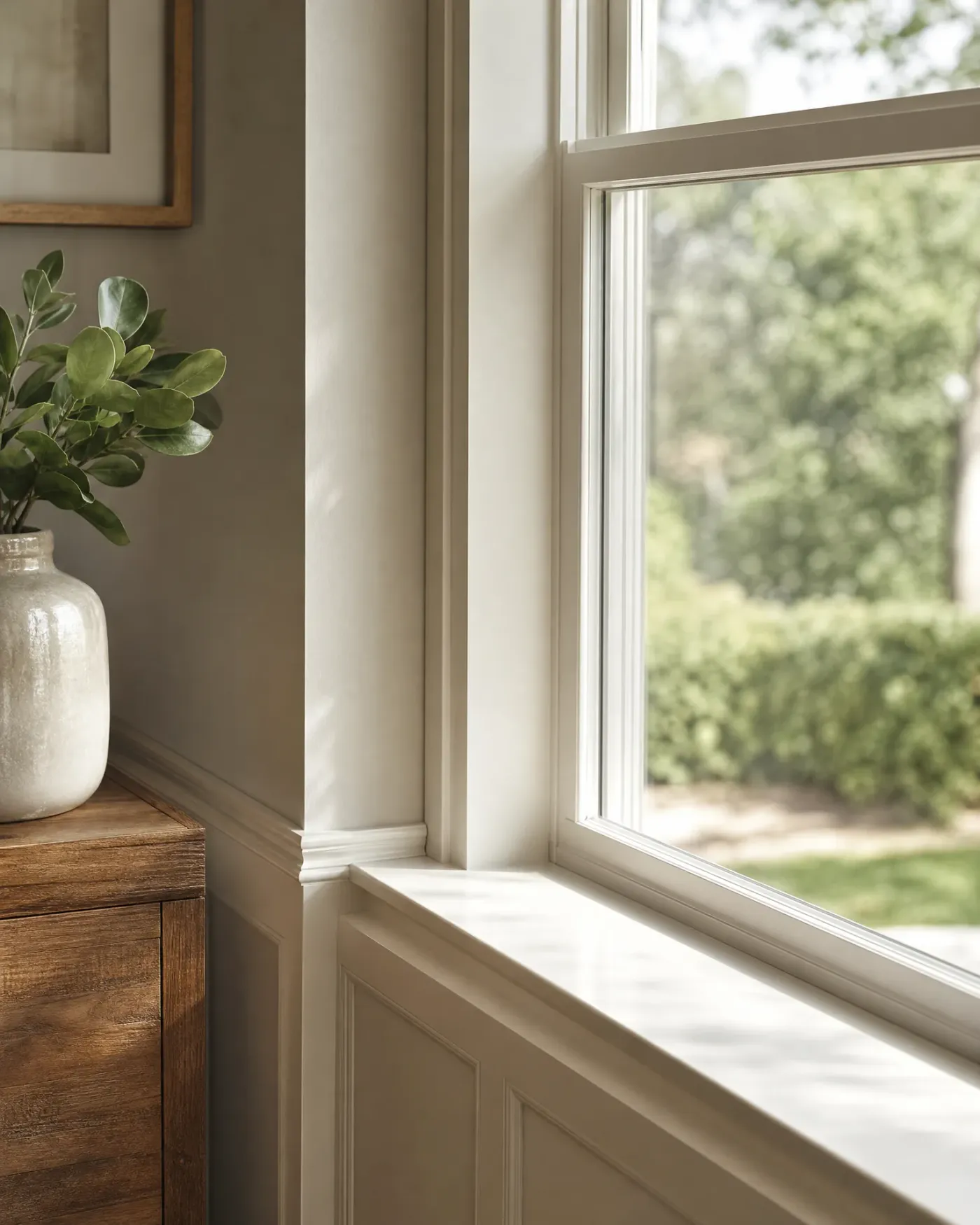
Interior corner of a room with a white-framed window and wide sill, beige walls with panel molding, a wooden cabinet holding a ceramic vase with a green leafy plant, and blurred shrubs and trees outside.
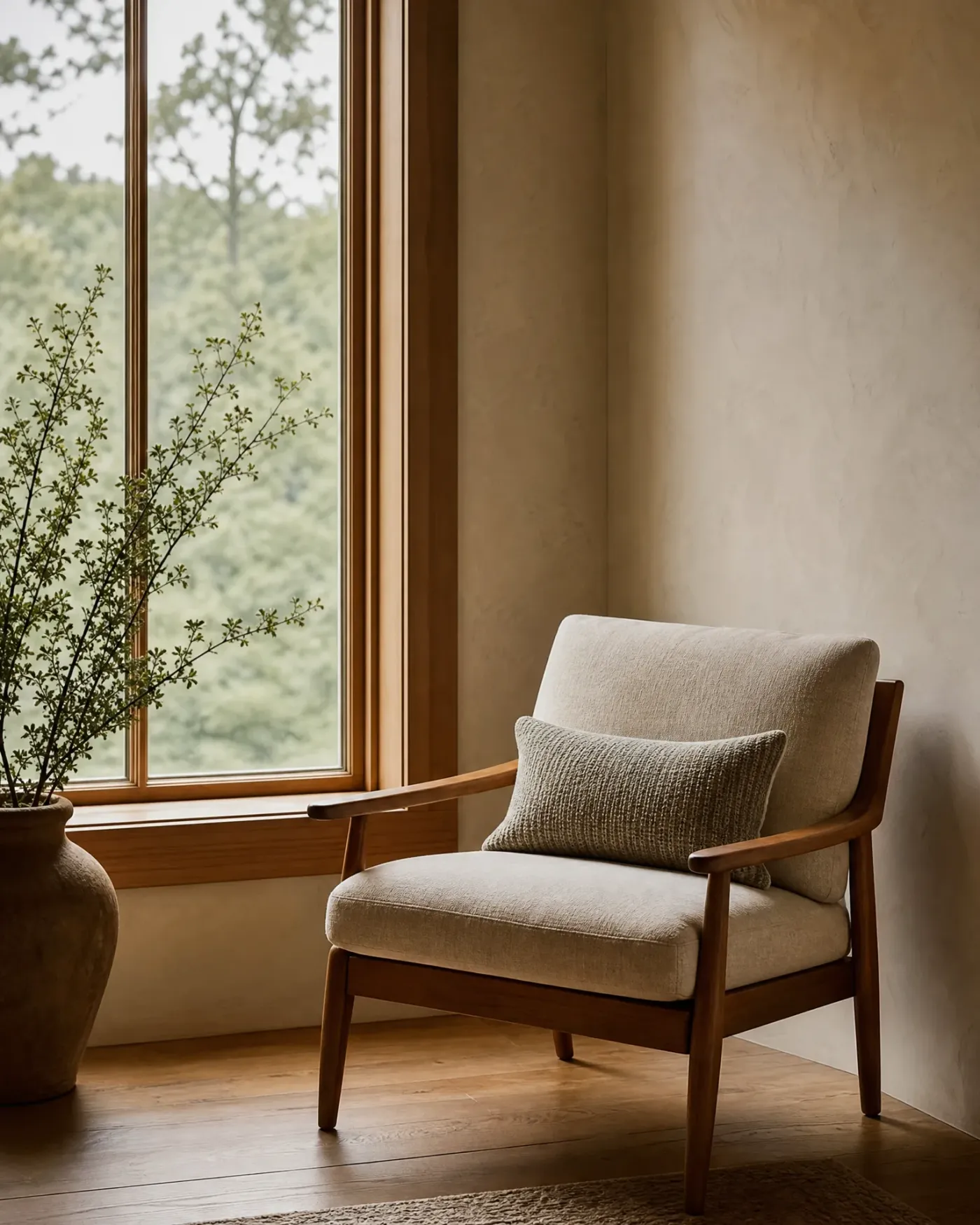
A wood-framed armchair with beige cushions and a woven lumbar pillow sits in a corner beside a large window overlooking green trees, with a tall ceramic vase holding leafy branches on the left and plaster walls and wood flooring.
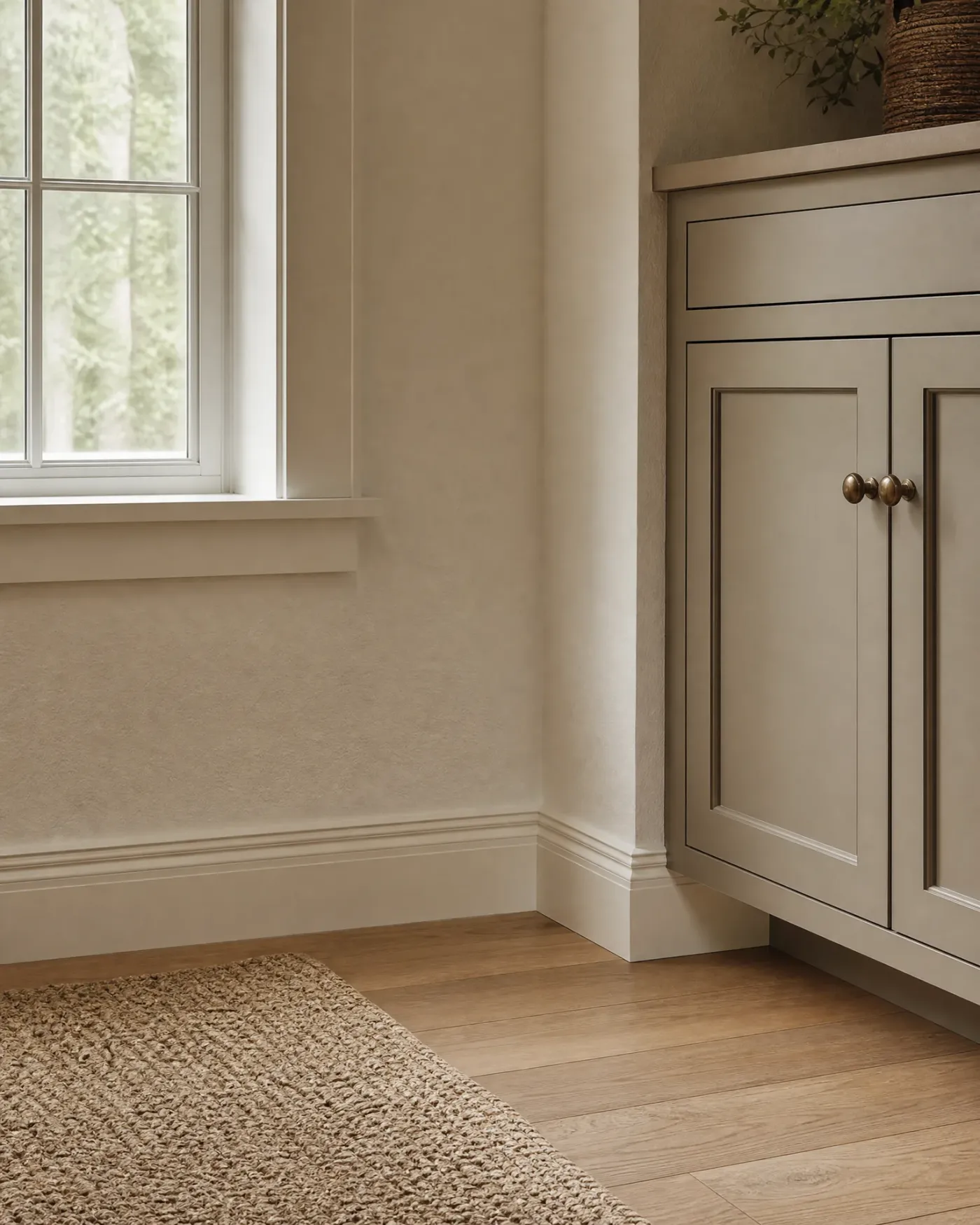
Interior corner with a white-framed window above a sill, beige walls with baseboard molding, a greige shaker-style cabinet with brass knobs and a potted plant on top, light wood flooring and a woven jute rug.
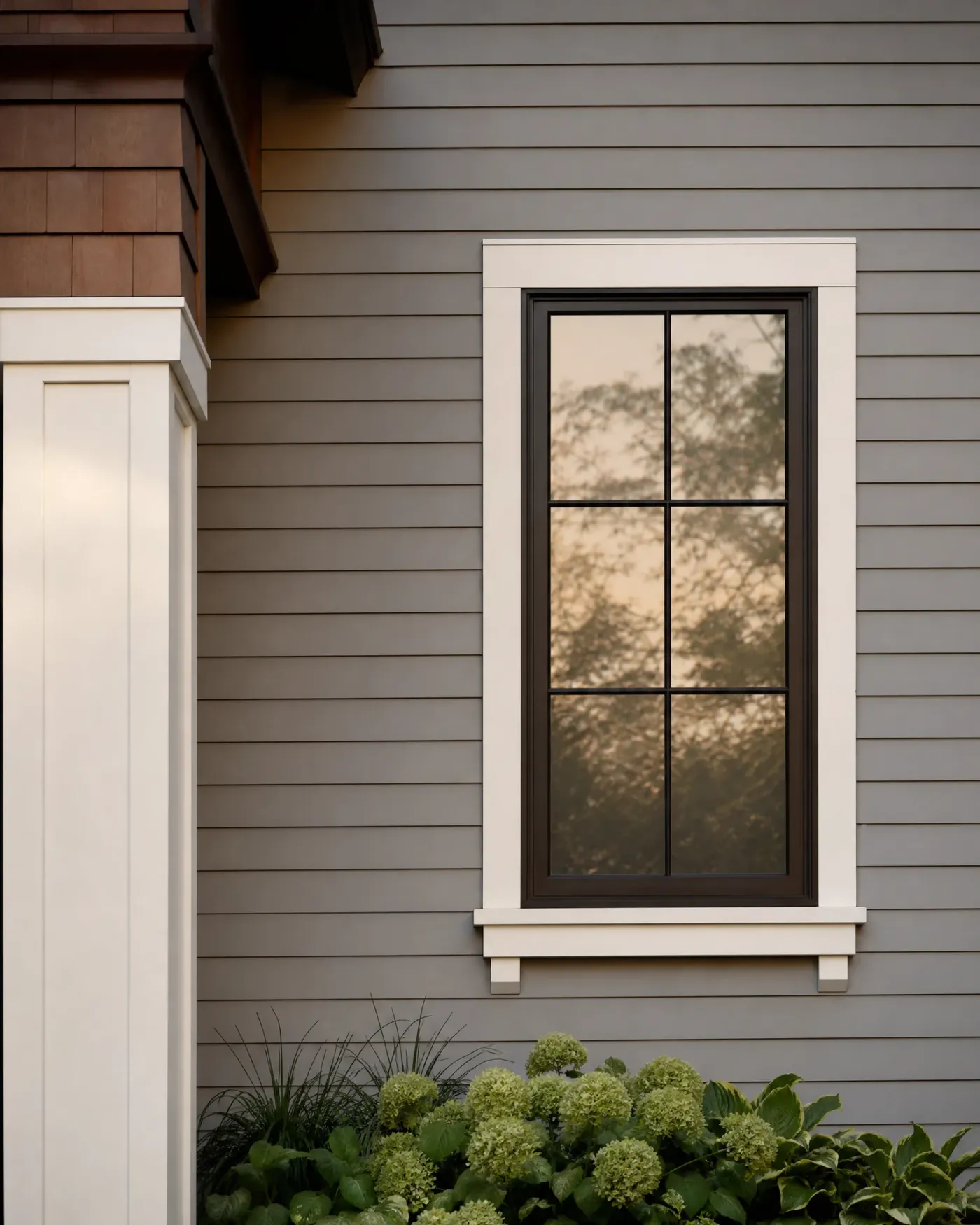
A dark-framed six-pane window with white trim and sill set in gray horizontal lap siding, with hydrangea shrubs below and a white column and shingled roof section at left.

Skip the search

Your request goes to one pro, not a list of companies.

Get one local pro

You only hire the pro if you want to.