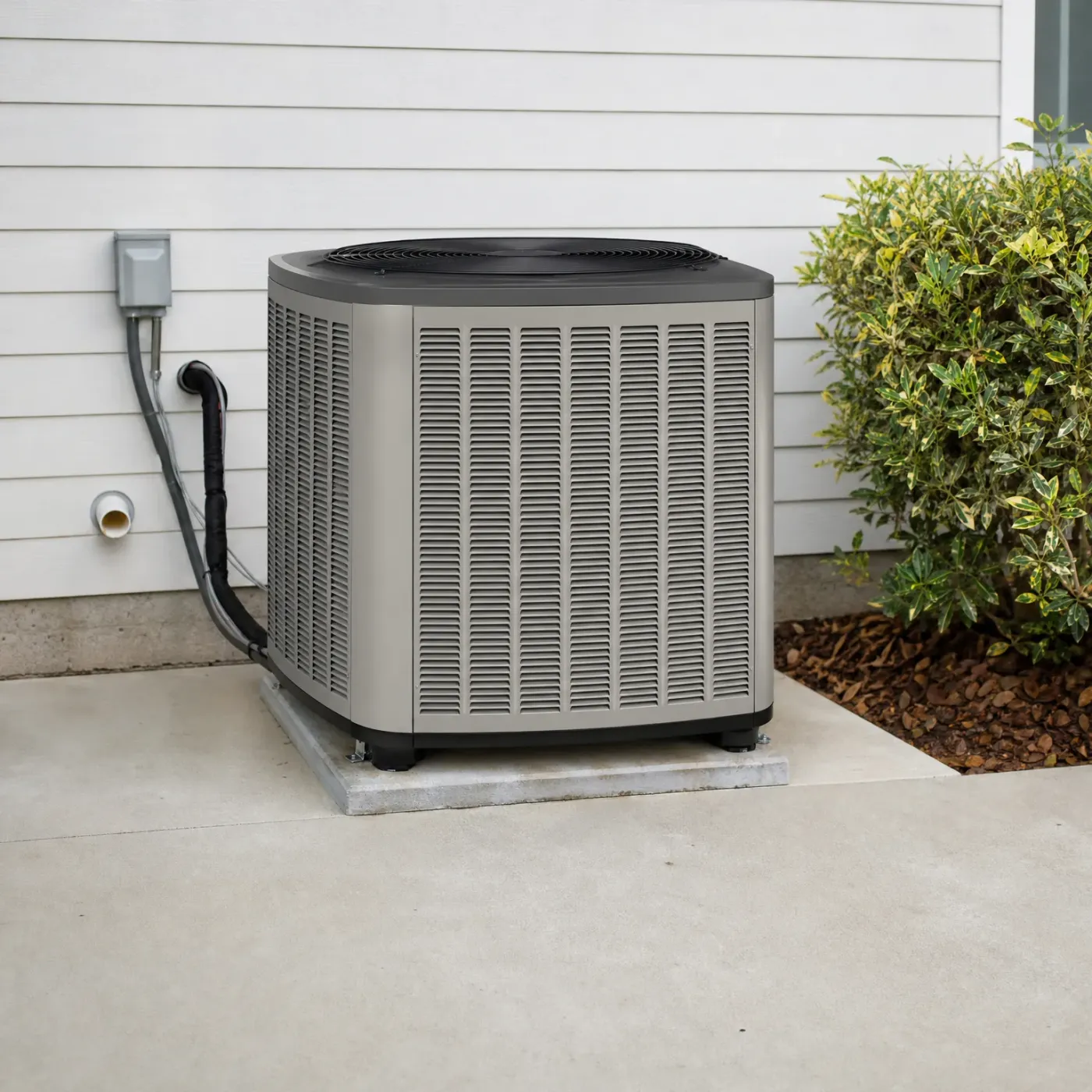
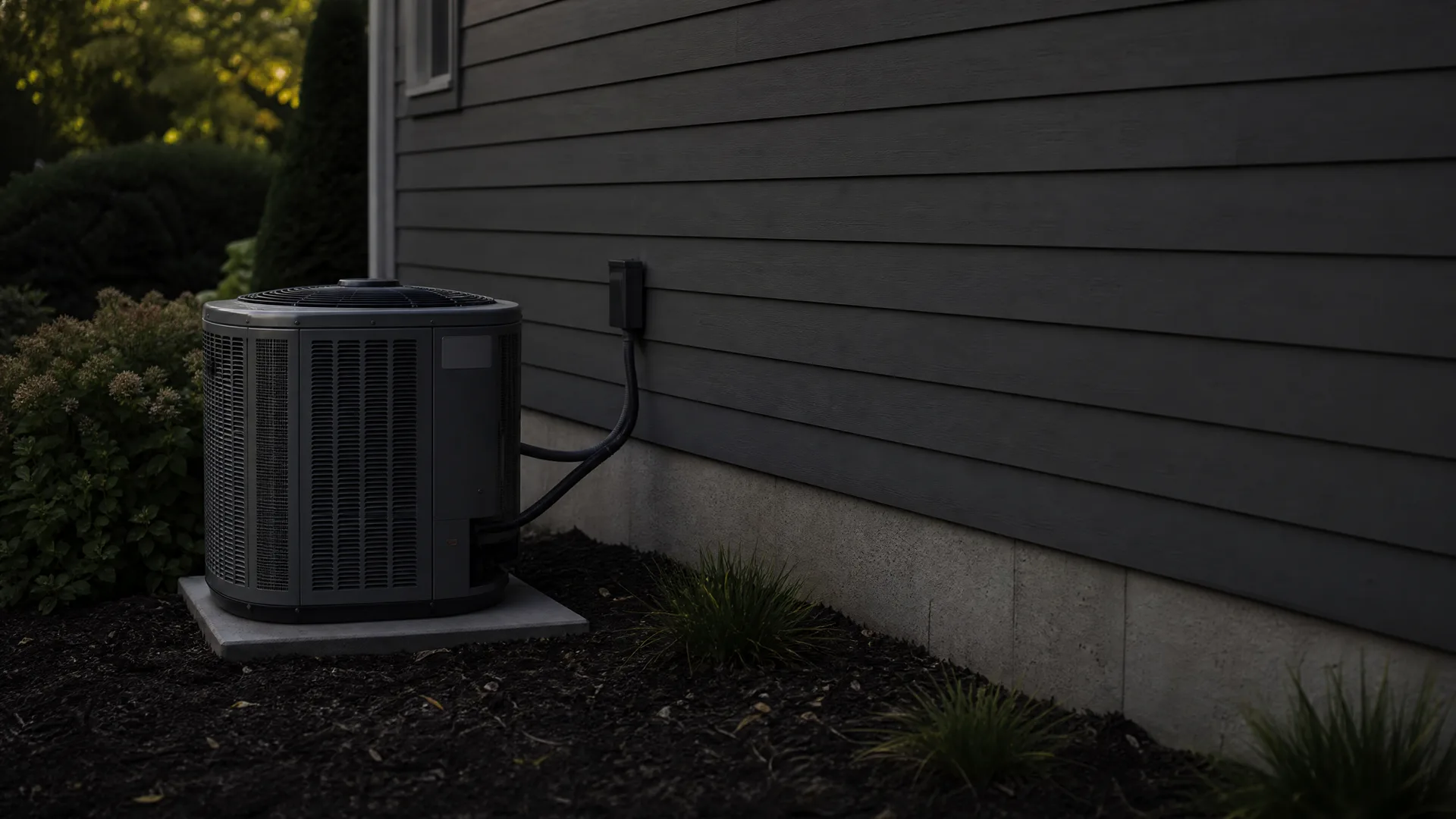
An outdoor air conditioning condenser unit on a concrete pad beside a house with horizontal siding, with an electrical disconnect box on the wall and shrubs to the right in low evening light.

The right pro for this job

How to lower your AC bill in a Florida summer

Your AC runs most of the day once the heat sets in, and the bill shows it. Usually it comes down to the unit working harder than it should, whether that's airflow, refrigerant, or a thermostat setting that's quietly costing you. This page gets into what drives the cost up and where to look first. Answer it below, then get matched with a contractor who can check your system directly.

Find my pro

The biggest drop in your AC bill usually comes from keeping the system running the way it was built to run, not from changing how you use it. A dirty filter or a coil caked with dust makes the compressor work longer to move the same amount of heat out of the house, and in Florida that compressor can be running most hours of the day from June through September. Low refrigerant does the same thing, and so does a blower that's lost airflow. None of that shows up as a single big failure. It shows up as a bill that's higher than last summer for a house that hasn't changed. A system that's been checked and cleaned before the heat really sets in doesn't have to fight that hard to keep up, and the difference shows up on the next bill, not months later.

A gray-haired bearded man in a dark coat and scarf dusted with snow stands smiling in a dimly lit entryway with a white front door, a side table with a lit lamp, an oval mirror, and a patterned rug.
An older bearded man in a dark snow-dusted coat and gray scarf stands just inside a dimly lit home entry, with a framed picture, lit table lamp, and an adjoining room with a fireplace behind him, and snow visible through the open door.
A gray-haired, bearded man in a dark snow-dusted coat stands smiling in a dimly lit entry hall with a staircase, a lit table lamp, a framed picture, and a living room visible through a doorway.
An older man with gray hair and a beard, wearing a dark jacket dusted with snow, stands smiling in a dimly lit hallway with lamps and a living room visible behind him.

Most of what you pay for runs through the compressor. It's the part that does the real work, squeezing refrigerant so it can carry heat out of your house, and anything that makes its job harder makes it run longer. That's the thread connecting a dirty filter, a dusty coil, and a weak fan outside. The filter blocks airflow, so the blower pushes harder to move the same air through the house. The indoor coil needs to be clean to pull heat out of that air efficiently. Outside, the condenser fan has to push enough air across its coil to get rid of the heat the system just collected, and a slow fan or a caked coil holds that heat in instead of releasing it. None of this shows up as one dramatic failure. It shows up as a system that runs an hour longer than it needs to, every day, all summer. The compressor doesn't know the difference between pulling heat out of humid air versus a clogged system, it just keeps running until the thermostat says stop.

Where the power actually goes

  • The compressor uses more power than any other part, so anything that makes it run longer drives the bill up the most.
  • A refrigerant coil covered in dust can't absorb heat well, so the system runs longer to pull the same heat out of the house.
  • Airflow restricted by a dirty filter forces the blower motor to work harder, and that shows up on the electric bill too.
  • The condenser fan outside has to move enough air across the coil to dump the heat your house just gave up, and a worn motor or a dirty coil slows that down.
  • A thermostat set correctly still won't help much if the refrigerant charge is low, because the system loses its ability to pull heat out of the air efficiently.
  • Drain lines and coils that stay clean let the system remove humidity as it cools, so it doesn't have to run longer just to get the house to feel comfortable.
An outdoor air conditioning condenser unit on a concrete pad beside a house with white horizontal lap siding, with an electrical disconnect box and insulated refrigerant line on the wall and a shrub over mulch to the right.
A clean coil and a clear condensate line let the compressor shut off instead of running straight through the afternoon.
An outdoor air conditioner condenser unit on a concrete pad beside a house with light horizontal lap siding, with an electrical disconnect box and conduit on the wall behind it.
Dirt on the coil and a weathered cabinet make the compressor run longer to pull the same heat out of your house.
  1. Warm air passes through the filter before it ever reaches the coil.

  2. The indoor coil absorbs heat from that air and sends it outside.

  3. The compressor pressurizes refrigerant so it can release heat outdoors.

  4. The outdoor coil dumps that heat into the Florida air.

Why does the house feel warm even with the AC running

You set the thermostat to 72 and the house settles at 76, and it stays there no matter how long the unit runs. The air coming out of the vents feels warm, not cold. The outdoor unit runs almost nonstop through the afternoon instead of cycling off. Some rooms stay hot while others cool down fine. You might notice water pooled near the indoor unit, or a musty smell when the system kicks on. None of this is just a comfort problem. A system straining to keep up runs longer hours for the same result, and that shows up on next month's bill. Left alone long enough, the compressor is the part paying for it.

A gray outdoor air conditioner condenser unit on a concrete pad beside a house with white horizontal siding and a brick foundation, with a wall-mounted disconnect box and conduit, and a green shrub with mulch at left.

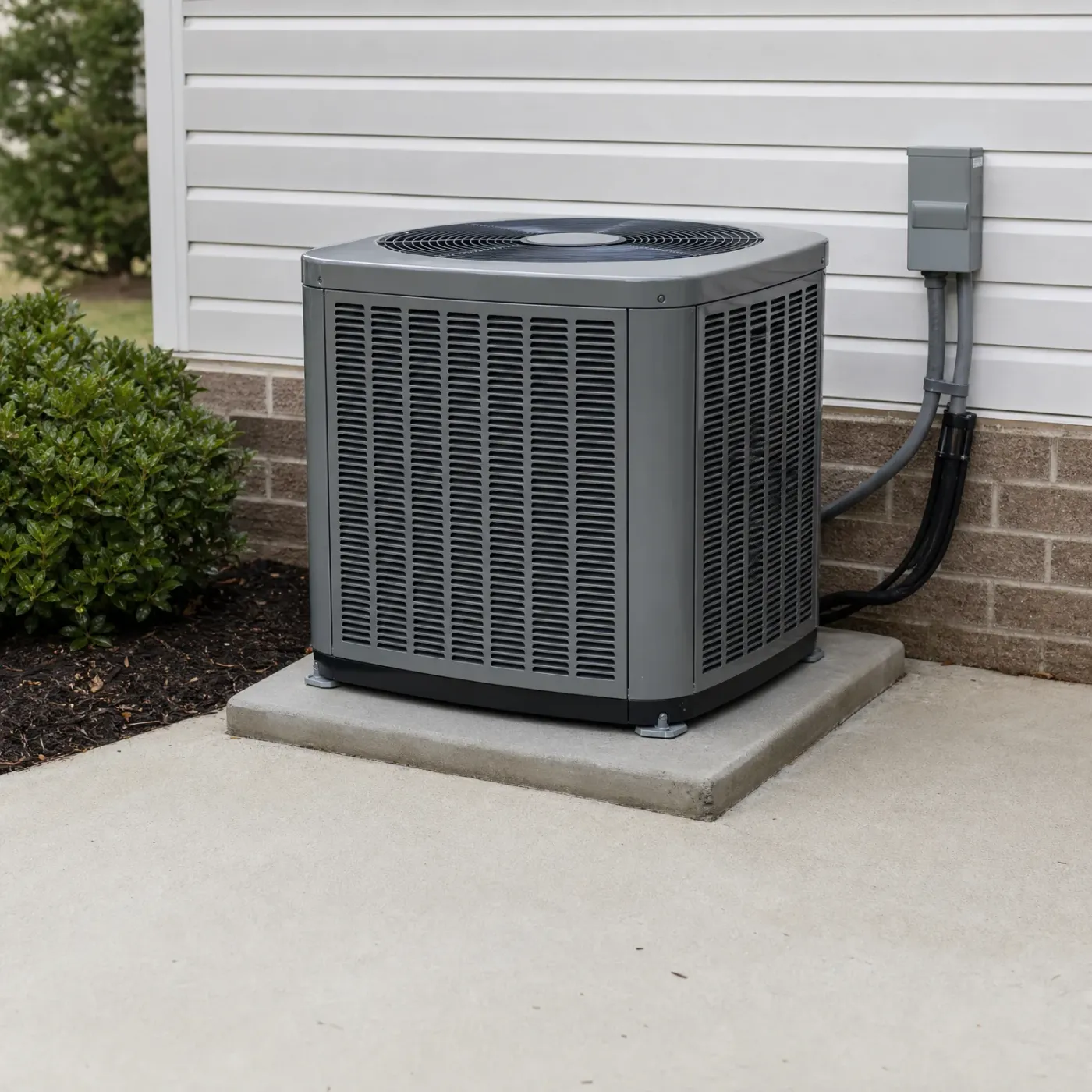
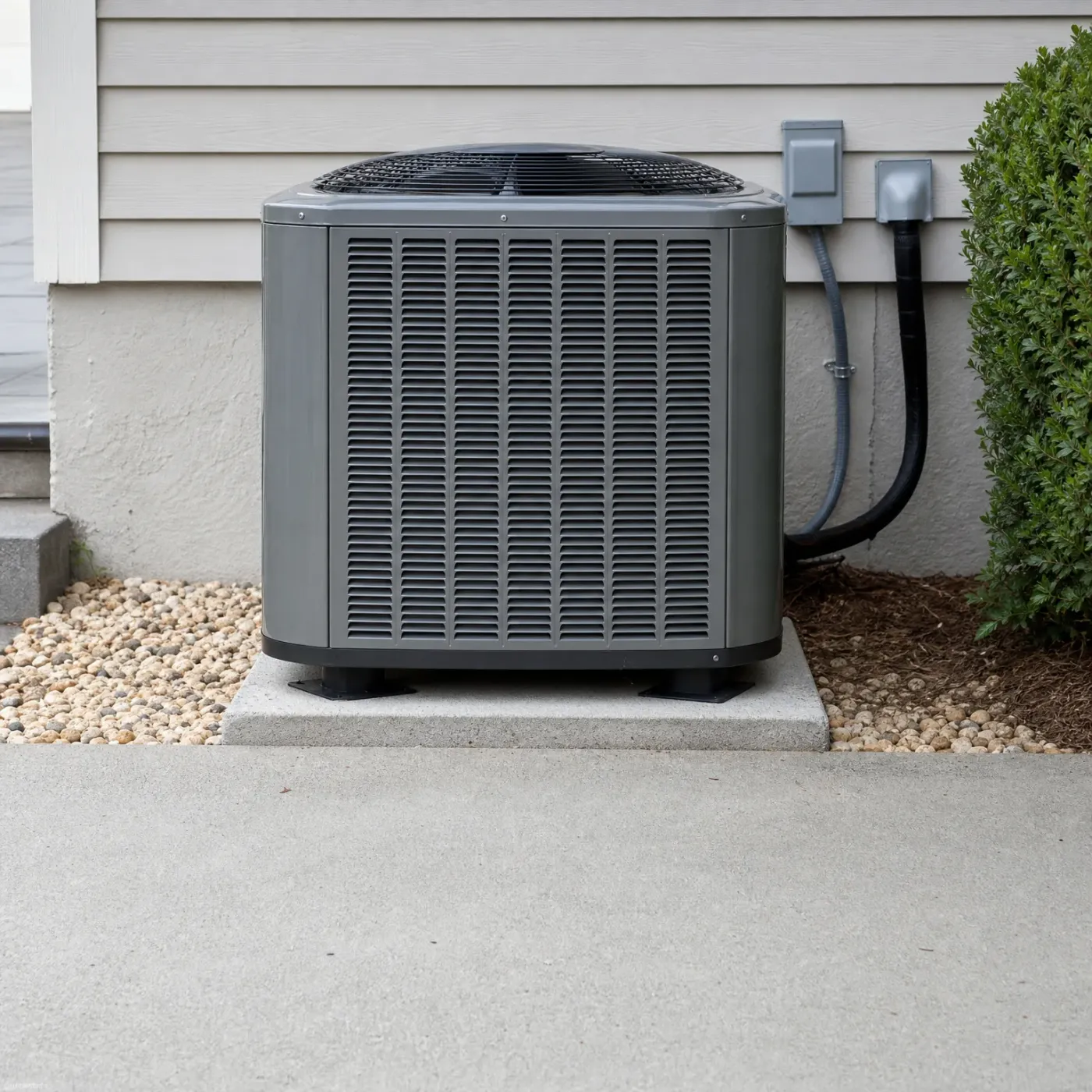
Running clean

This outdoor unit is clear of grime, and the fins under that grille are open to the air. A compressor working this easily shuts off for stretches during the day instead of grinding through the afternoon. That's what keeps a summer bill from climbing.

An outdoor air conditioning condenser unit on a concrete pad beside a house with white horizontal vinyl siding, with a gray electrical disconnect box and refrigerant lines on the wall behind it.

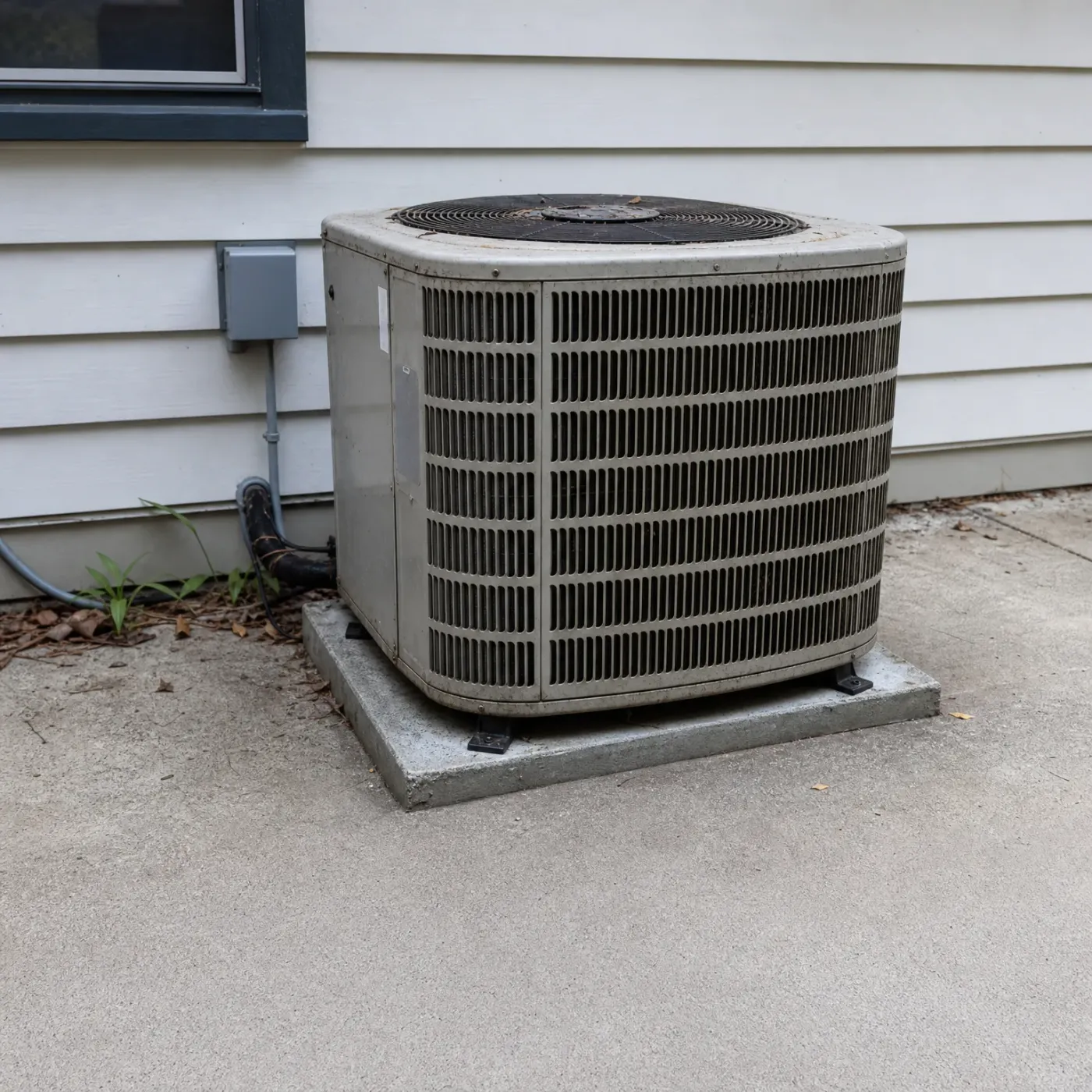
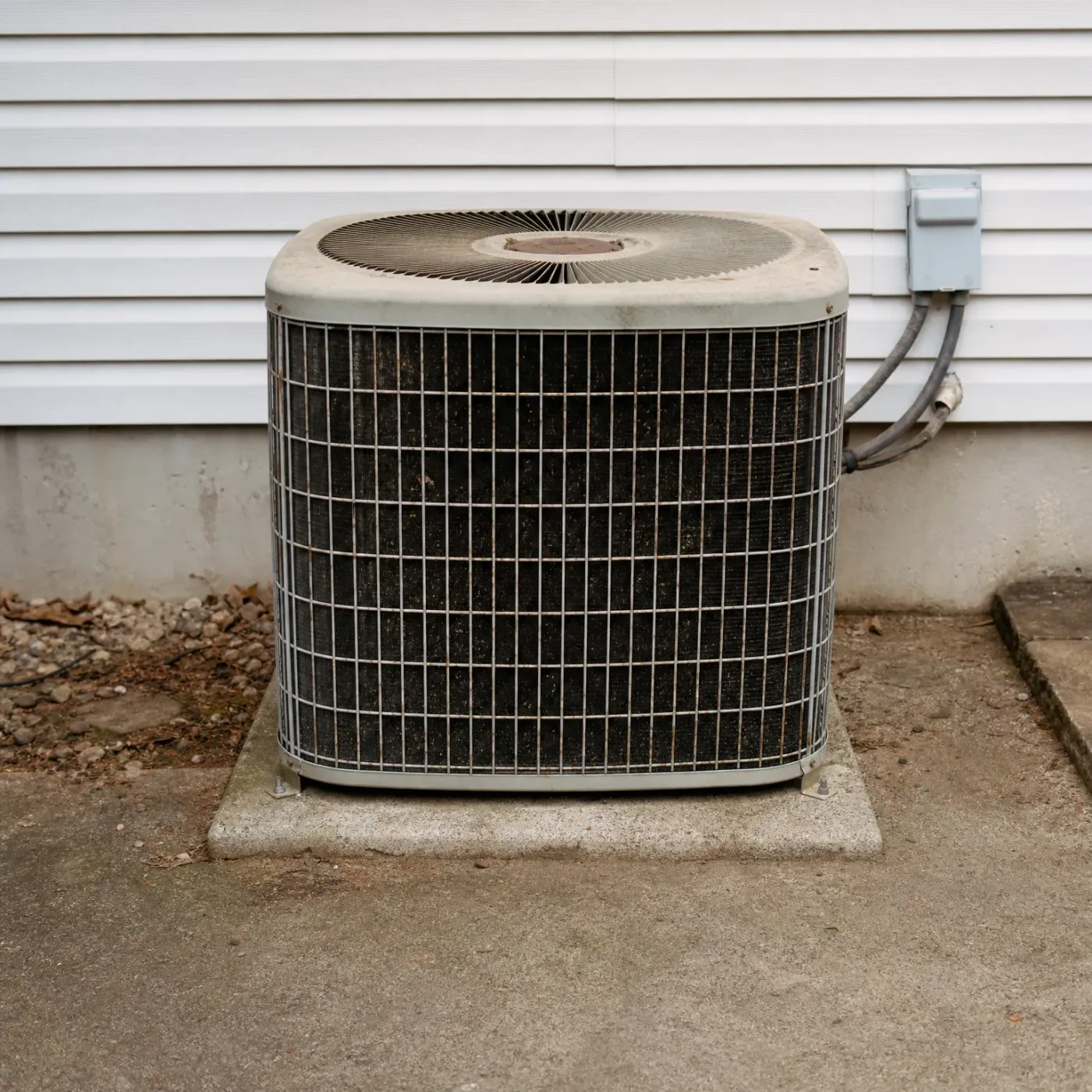
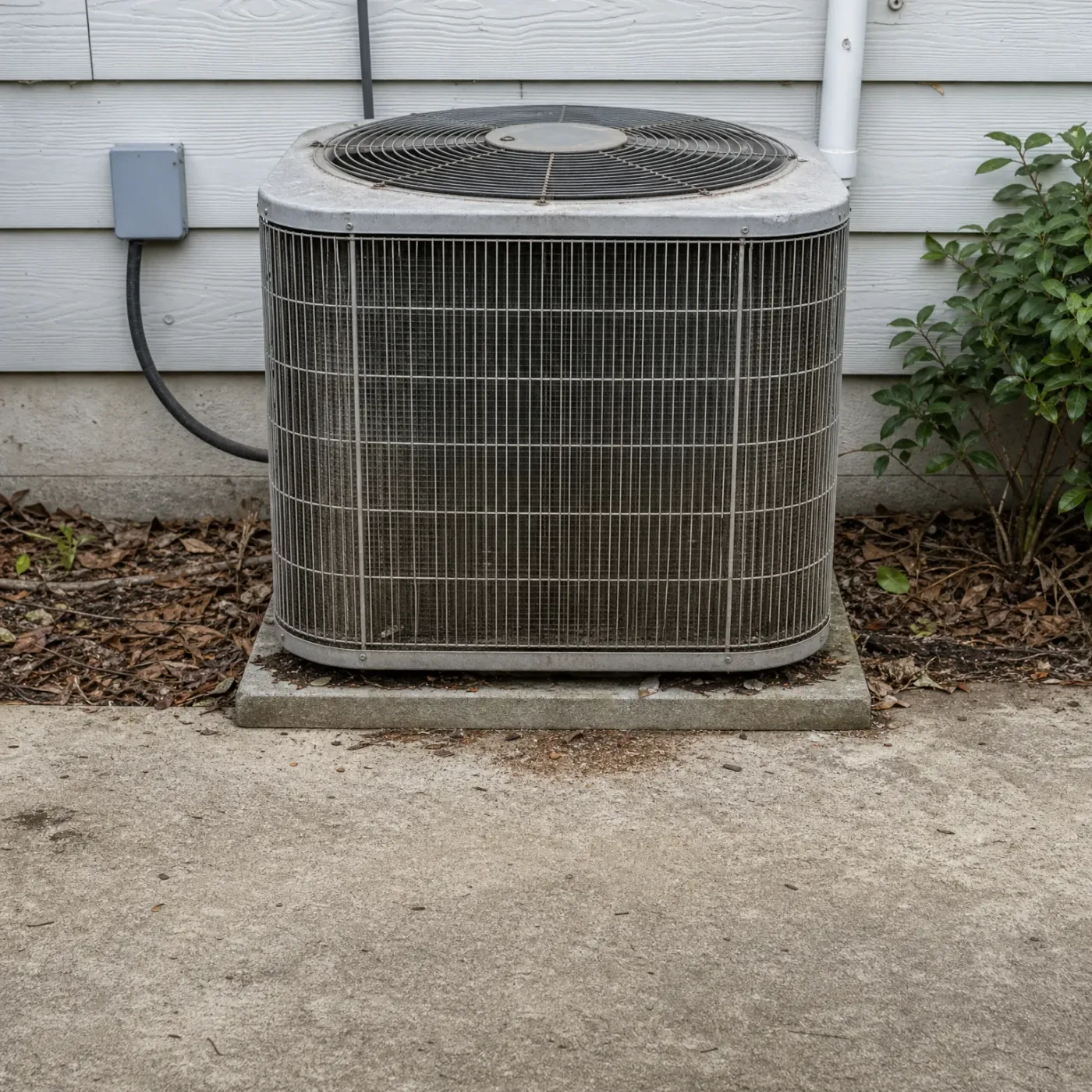
Caked with dirt

The grille and top cover on this one are thick with dirt, and that buildup blocks the coil underneath from shedding heat. The compressor has to run longer to move the same heat out of the house, and the bill reflects every extra hour it runs.

A woman in a cream cardigan and jeans stands with one hand raised facing an open front door of a gray horizontal-siding house, with a black lantern wall light, a potted shrub with yellow flowers, and a stone-faced porch column.

What a system running too long is doing to your bill

Every hour the compressor runs past when it should shut off is an hour you're paying for. In a Florida summer, that adds up fast because the unit is already working against heat and humidity most of the day. A system that's supposed to cycle off for stretches in the afternoon and instead runs straight through from noon to evening is pulling power the whole time, not just when the house actually needs cooling.

You can usually feel it before the bill shows it. The air from the vents isn't as cold as it used to be, or the house takes longer to feel comfortable after you've been out. That's the system compensating for lost efficiency by running longer, and it won't fix itself. A contractor who looks at your specific unit can tell you what's driving the extra runtime and what it would take to get it back to cycling the way it's supposed to.

A living room corner with a light beige sofa holding a textured taupe cushion, a large ceramic vase of olive branches by a window, a framed neutral artwork on the wall, and a dark bowl with stacked books in the foreground.
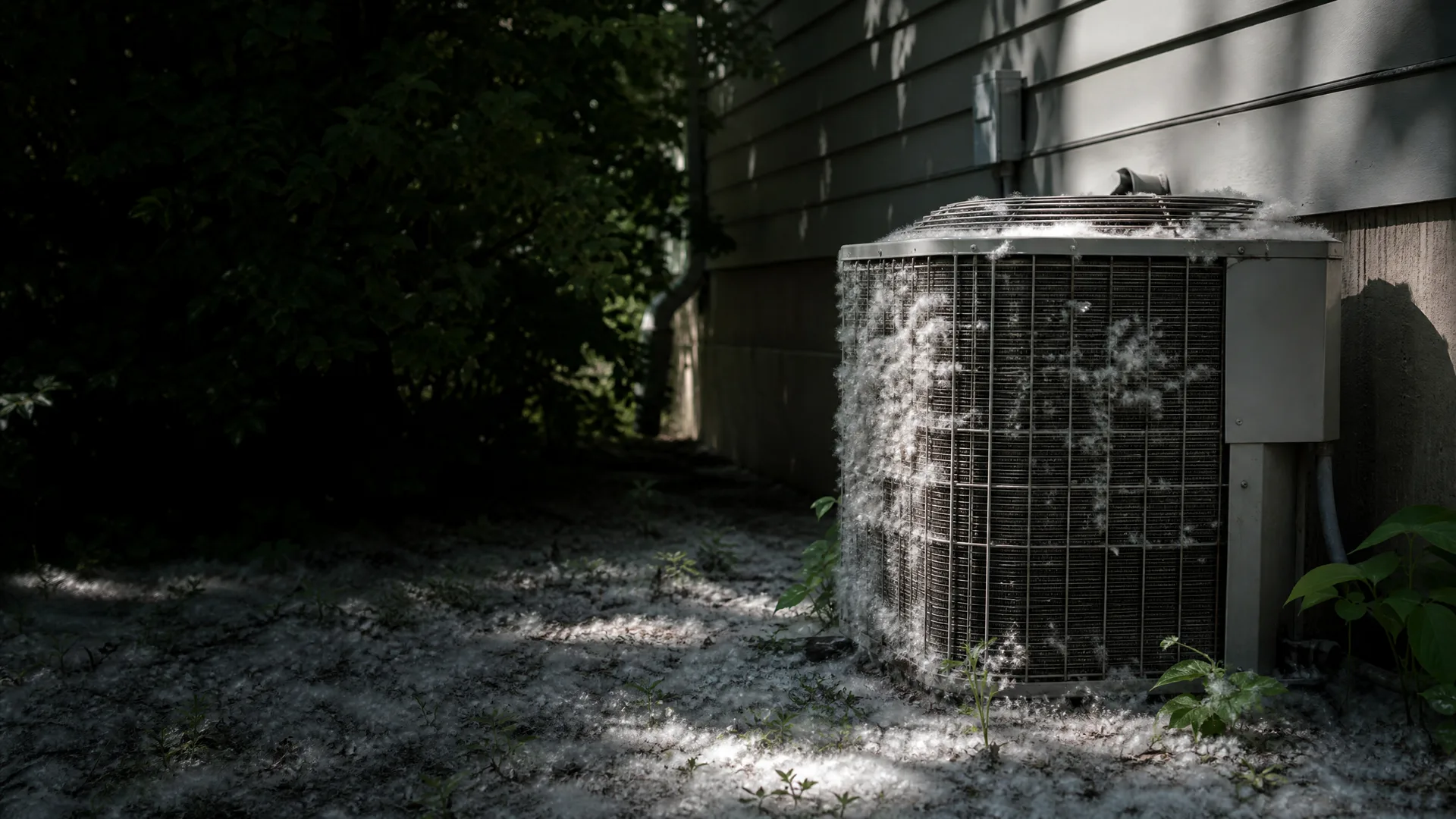
An outdoor air conditioner condenser unit beside a house with horizontal siding, its coil covered in white cottonwood fluff that also blankets the ground around it.

Late April, early afternoon, and the sun already has that summer weight to it. You go out to the side yard to drag the trash can back and notice the condenser running, which it does most of the day now. You crouch down to check the fins, the way you do when something feels off, and they're matted white, almost furry, with the cottonwood that's been drifting off the trees all week. It's packed into every gap in the grille. You run a finger along it and it doesn't budge. The unit hums on behind the fluff like it hasn't noticed, pulling air through something closer to a filter than an open coil. You stand back up, trash can forgotten, already thinking about who you'd even call for something like this.

Matched to your air conditioner job

One request and the search for a pro is handled.

You're not committing to anything by asking.

A compressor that short cycles on a dirty coil can run two or three times longer per hour than it would with a clean one, just to move the same heat out of the house.

That extra run time shows up directly on the bill, since the compressor is the single biggest draw on your whole electric meter all summer.

Power costs 15.21 cents per kilowatt-hour statewide

At 15.21 cents per kilowatt-hour, every extra hour your compressor runs past when it should shut off lands straight on the bill. A unit that's clean and charged right cycles off for stretches in the afternoon instead of grinding through it, and that's the difference you'll see.

EIA-861 2025 statewide residential average

An outdoor air conditioning condenser unit on a concrete pad beside a house with horizontal lap siding, with an electrical disconnect box and conduit on the wall, mulch and a green shrub to the right, and a concrete walkway in the foreground.
Before you get your air conditioner maintenance
A gray outdoor air conditioner condenser unit on a concrete pad beside a house with horizontal siding and a stucco foundation, with a disconnect box and conduit on the wall, decorative gravel, mulch, and a shrub nearby.
After you get your air conditioner maintenance
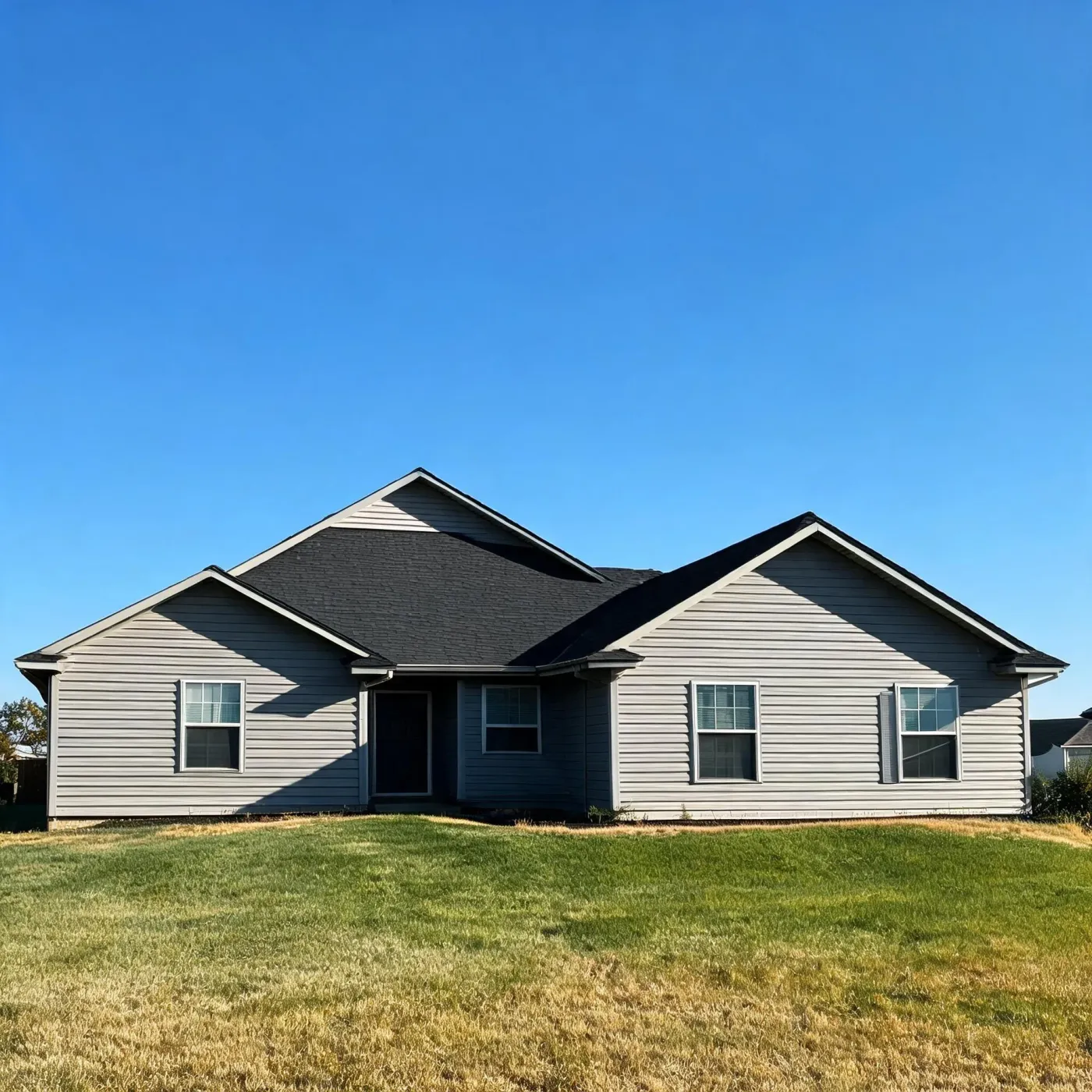
A single-story house with gray vinyl siding, dark shingled gable roofs, and white-trimmed windows, set behind a partly dry green lawn under a clear blue sky.

Florida summers hold a dew point that averages 74°F across June, July and August, a figure from NOAA. At that level the air carries so much moisture that your AC isn't just cooling the house, it's also wringing water out of the air to keep things comfortable. That second job falls to the same coil and the same compressor doing the cooling, so the unit runs longer for every degree it brings down. A coil that's clean and properly charged can keep pace and still shut off now and then. A coil losing ground to dust or weak airflow just keeps running, and the air inside starts to feel damp even with the thermostat holding steady.

NASA POWER T2MDEW county cells weighted by homes

Maintained vs. Neglected AC

Maintained system

  • A technician clears the condensate line so the system doesn't lose cooling capacity to a backup or a safety shutoff.
  • The coil gets cleaned to bare metal, so it absorbs heat the way it did when the unit was new.
  • Refrigerant charge gets checked against the manufacturer's spec, not just topped off by guess.
  • Electrical connections get tightened, so the compressor isn't drawing more current than it needs to.
  • The blower wheel gets cleaned, which keeps airflow across the coil where it belongs.

Neglected system

  • A clogged condensate line can trip a safety switch and shut the system off mid-afternoon in July.
  • Dust built up on the coil over two or three summers forces the compressor to run longer for the same cooling.
  • A refrigerant charge that's drifted low makes the compressor work harder without cooling the house any faster.
  • Loose electrical connections raise resistance, which raises the amps the compressor pulls all summer.
  • A dirty blower wheel cuts airflow, so the coil can't pull as much heat out of the air passing over it.
A woman wrapped in a thick beige fleece blanket sits on a sofa with an open book on her lap, beside a lit table lamp, with a frost-covered window behind her.
An older woman with gray hair in a bun and glasses, wearing a beige knit sweater, smiles while looking to the side in a warmly lit kitchen, with a loaf of bread on the counter in the foreground and a snowy scene outside the window.

What a maintained AC gets you

  • A system that cycles off during the afternoon instead of running straight through is the sign maintenance worked.
  • The filter, the coil, and the refrigerant charge are the three things that decide how long your compressor runs each day.
  • A dirty coil or a low charge forces the same compressor to run longer for the same amount of cooling, and that time is what shows up on the bill.
  • Once the airflow and the charge are both right, the house holds its temperature without the unit grinding through the hottest part of the day.
  • Getting matched with a contractor takes the search off your plate, so the next step is theirs to handle, not yours to chase down.
  • A unit running the way it was built to run is the whole difference between a bill that climbs all summer and one that doesn't.

The filter lets air through, the coil pulls heat out of it, and the refrigerant charge decides how hard the compressor has to work to do that. When any one of those three is off, the compressor runs longer to deliver the same cooling, and every extra hour it runs past when it should have shut off is on your bill. That's the whole mechanism behind a summer bill that keeps climbing versus one that doesn't.

A technician going through those three things in order is what gets a system back to cycling off in the afternoon instead of running straight through it. Clean the coil, fix the airflow, correct the charge, and the compressor stops working against itself. You'll see it in how the house holds its temperature without the unit grinding away for hours, and you'll see it on the bill once the hottest stretch of summer hits and the system isn't fighting the whole way through it.

Finding someone to do that work is the part that usually stalls people out, not the decision to get it done. Once you're matched with a contractor, that search is off your plate. You're not the one tracking down who's available or chasing a callback. The next step belongs to the contractor, and it moves without you having to push it along.

A unit running the way it was built to run is the difference that shows up every month from June through September. That's what the filter, the coil, and the charge add up to when they're all right at the same time.

An outdoor air conditioner condenser unit on a concrete pad beside a dark horizontal-lap sided house, with mulch beds, shrubs and ornamental grasses nearby.

An air conditioner pro near you

Send it once and finding someone is no longer on you.

Step 1 of 3: Equipment