Matched to your air conditioner job
How to get your AC ready for a Florida summer
Your AC is about to carry the whole weight of a Florida summer, and you want it ready before the heat sets in. That means knowing what a tune-up should check, from the refrigerant charge to the condenser coil, before the system runs nonstop for months. Once you see what's involved, you can get matched with a contractor who handles it, and let them take it from there.
Find an air conditioner proGetting your AC ready for summer means having it serviced before the heat sets in, while a contractor can still get to it without a wait. A tune-up checks the refrigerant charge, cleans the condenser coil, and tests the capacitor and the fan motor, the parts that wear down from months of running nearly nonstop once the heat and humidity settle in. A coil caked with dirt makes the system work harder to pull heat out of your house, and a capacitor on its way out tends to fail on the hottest day, not a mild one. Catching that in spring costs you an appointment. Catching it in July costs you the appointment and the days without cool air while you wait for a slot to open up. The system that gets checked now is the one still running fine in September.
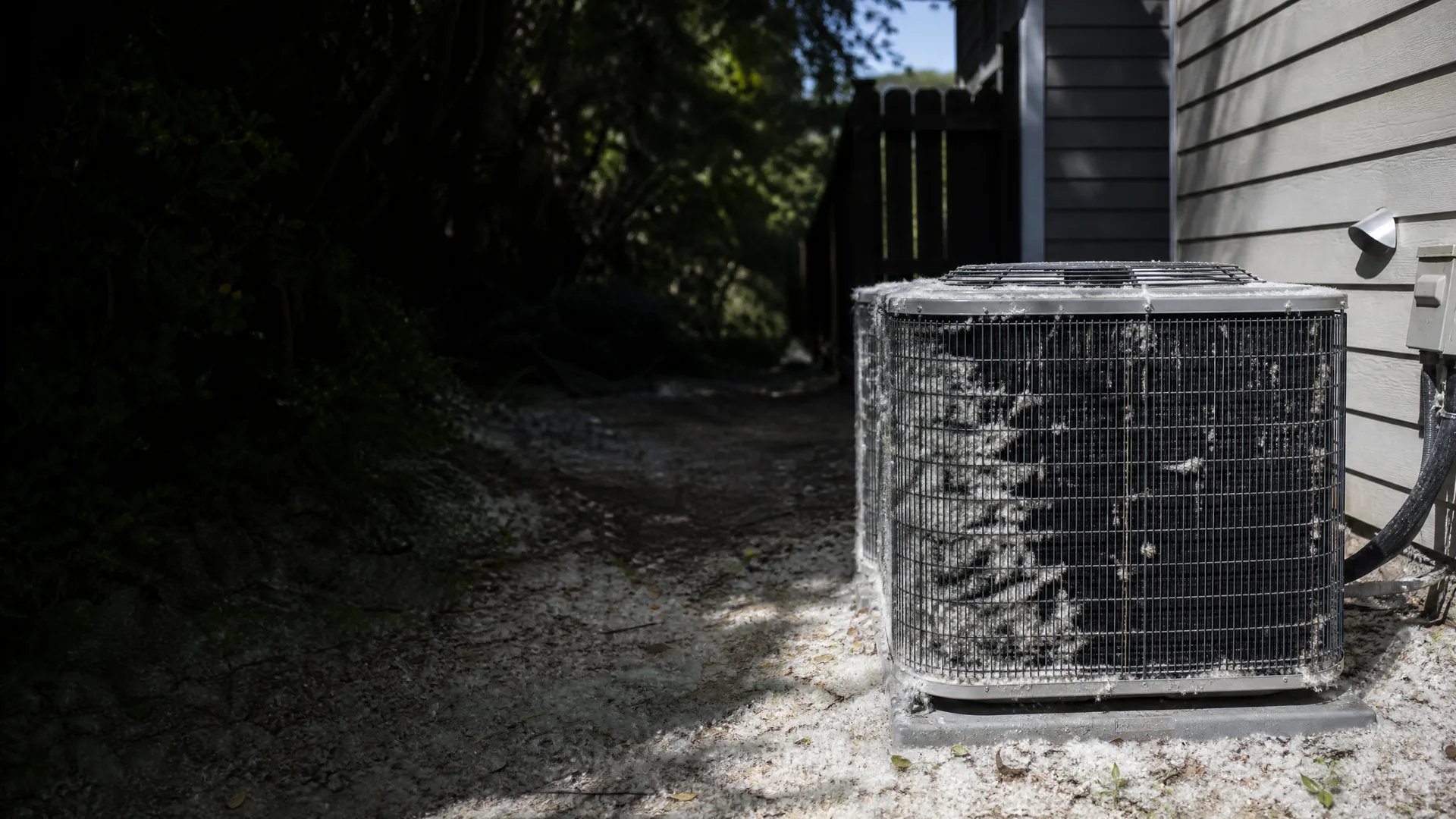
You're out pulling weeds along the side yard when you notice it, the condenser fins packed white with cottonwood fluff, thick enough that you can't see the metal underneath. It's drifted in off the trees for weeks now, settling into the coil every time the fan kicks on. You crouch down and run a finger across it, and the fluff just sits there, matted tight like felt. The unit's still running, you can hear it, but the airflow through the side feels weaker than it should. You make a note to deal with it before the real heat gets here.
What exactly does an AC tune-up check before summer?
You want to know what you're actually paying for when you book a tune-up, not just the idea that it helps. A contractor who shows up for a real inspection follows a sequence, checking the system from the electrical side through to the airflow, not just glancing at the outdoor unit and calling it done. Knowing the order and the parts involved tells you whether the visit you got was thorough.
A tune-up moves through the electrical, the refrigerant, and the airflow, in that order
A contractor starts with the electrical connections and the capacitor, since a weak capacitor is what strands a compressor on a hot afternoon. Next comes the refrigerant charge, checked against the pressures the system is supposed to run at. The condenser coil outside gets cleaned so it can shed heat, and the evaporator coil inside gets checked too. The condensate drain line gets cleared, since a clogged one backs up into the house. Last is airflow: the blower, the ductwork connections, and the filter, since a dirty filter forces the whole system to work harder for less cooling. Each step catches a different way the system fails once Florida heat pushes it to run for hours at a time.




Power costs 15.21 cents per kilowatt-hour statewide
At 15.21 cents a kilowatt-hour, every inefficiency your AC has shows up on the bill fast, since it runs most of the day through a Florida summer. A dirty coil or low charge makes it run longer to hit the same temperature, and that extra runtime is what you pay for.
EIA-861 2025 statewide residential average
Why the condenser works harder in July
A condenser moves heat from inside your house to the outdoor air by passing refrigerant through the coil and pushing outside air across it with a fan. That only works if the air moving across the coil is actually cooler than the refrigerant inside it. When the outdoor temperature climbs into the 90s, the gap between coil and air shrinks, and the system has less room to dump heat. A coil that's already coated in grime or sitting low on charge has even less margin to work with. That's the stretch where a unit that was running fine in April starts falling behind.
What a straining system shows you
A system that's losing the fight against the heat doesn't usually just stop. It runs longer to reach the same setting, cycles on and off more often, or holds the house a few degrees above what the thermostat says. Humidity creeps up indoors even when the temperature seems close enough, because a unit that's struggling spends less time removing moisture from the air. None of that fixes itself once the heat sets in for good. A tune-up done before the real stretch of summer catches the weak point while there's still room to correct it, instead of after the house has been uncomfortable for weeks.



A dew point of 74°F is what the air feels like most mornings in June, July and August here, averaged across Florida, and it means the air is already carrying nearly all the moisture it can hold before your AC even turns on. A system pulls double duty in that kind of air, wringing out humidity on top of cooling the house, and a coil that's dirty or a charge that's low falls behind fast when the air outside gives it nothing to work with. You'll notice it as a house that feels damp even when the thermostat says it hit the set point. Send the form and the search for someone to check it is off your plate.
NASA POWER T2MDEW county cells weighted by homes
An air conditioner pro near you

Send the form and the air conditioner tune-up stops being something to remember.
Sending the form costs nothing.

Servicing it before summer
A tune-up done in March or April catches a weak capacitor or a low charge while the system is only running a few hours a day. A contractor can take the panel off, check the pressures, and still have time to order a part if something's wearing out. None of that costs you a day without cooling, because the system isn't carrying any real load yet. You're paying for information and a small fix now instead of waiting to find out the hard way in July.
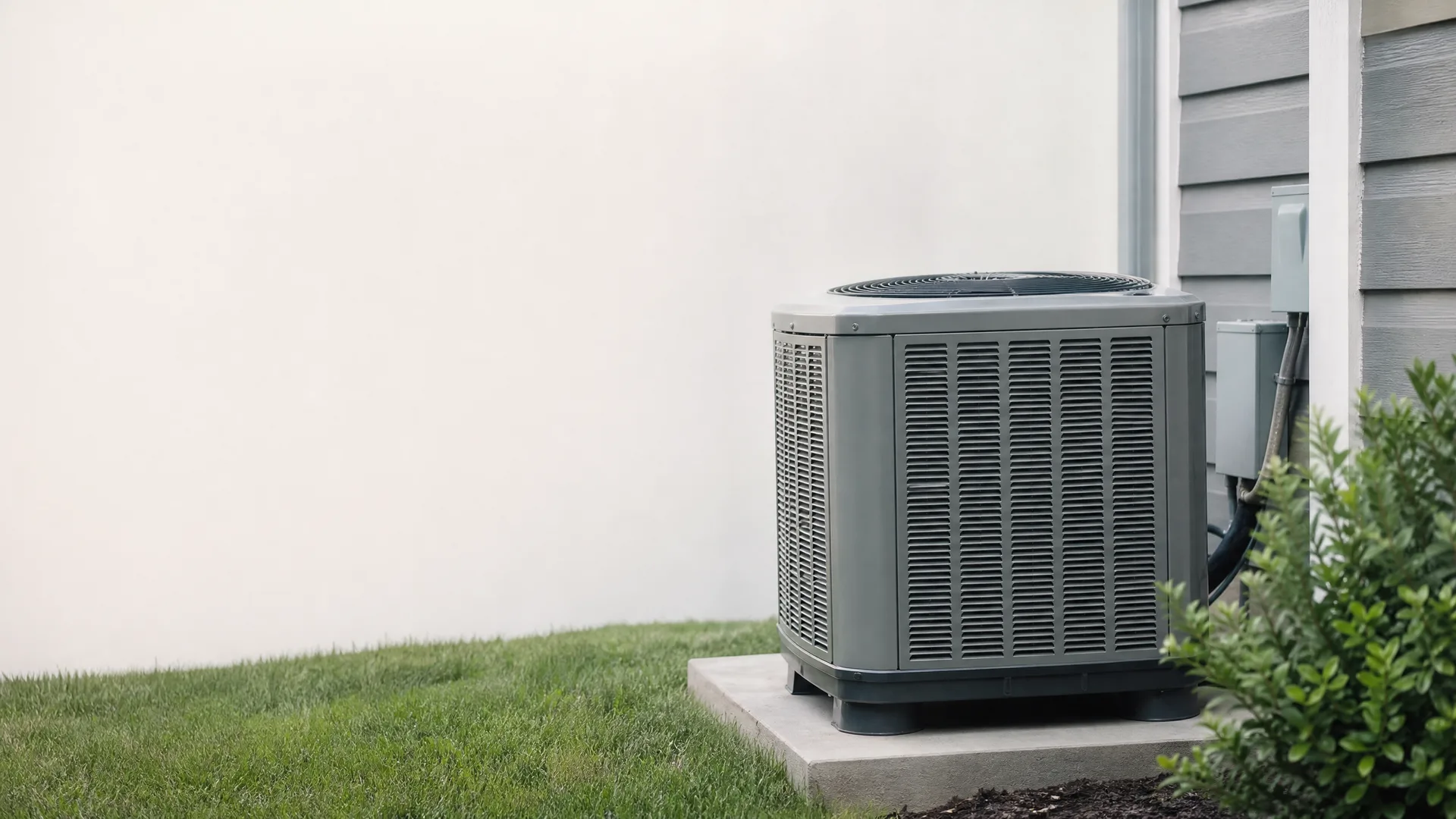
Skipping it until it fails
Wait until August and the same weak part fails while your AC is running most of the day against the heat and the humidity. Now it's not a scheduled check, it's a house that's 85 degrees inside with two kids home from school. A contractor still has to find the part and get to you, except every other AC in the neighborhood is failing the same week for the same reason. The fix might be the same five minutes of labor. The wait in front of it is not.
Service It Now or Wait for Summer
Serviced before summer
- A contractor can pull the panel, check refrigerant pressures, and test the capacitor while the system only runs a few hours a day.
- If a part is weak, there's time to order it and swap it before the system has to run for months straight.
- The condenser coil gets cleaned before pollen and yard debris have had a full season to pack into the fins.
- A system checked in spring runs at the charge it was designed for once July's heat and humidity hit.
- Scheduling is easier in March or April, before every AC in the state needs the same attention at once.
Left until it struggles
- A weak capacitor or a low charge doesn't always show up until the system is running most of the day.
- A contractor called out in July is also fielding every other homeowner whose AC just gave out in the heat.
- A dirty coil keeps forcing longer run times, and that shows up on the bill before anyone checks the unit.
- If a part fails mid-summer, finding the same part and a slot to install it takes longer than it would have in spring.
- The system is carrying its full summer load while still running on whatever charge or buildup went unchecked.

A contractor checks the refrigerant charge against the system's rated pressure.
The condenser coil gets washed clean of dirt and debris.
The capacitor gets tested under load for weak output.
The fan motor and blower get checked for correct amp draw.

Your AC decides this on its own terms
A tune-up before summer comes down to a short list: the refrigerant charge checked, the coil cleaned, the capacitor and fan motor tested while the system still has slack time to recover from whatever turns up. None of that changes once July gets here. The system either goes into the heat ready or it doesn't, and by August you're just living with whichever one it was.
You don't have to be the one who tracks down a contractor and works out whether they're free before the weather turns. Once you send the request, that part is off your plate. A contractor who covers your area gets matched to what your system needs and reaches out to you directly, so the only thing left on your end was deciding to ask.


Air Conditioner Maintenance
A local pro for your air conditioner maintenance

- Describe your air conditioner job, and a local pro who handles it gets in touch.
- Say what's going on with your air conditioner, and a pro who works on them reaches out.

- Send the form, and lining up the air conditioner tune-up stops being yours to chase.
- Send the request and finding a pro stops being your problem.

- One form instead of hunting for a pro who does air conditioner tune-ups.
- Fill out one form instead of calling around for an air conditioner tune-up.

- A licensed local pro takes the request for your air conditioner tune-up.
- The pro who reaches out is licensed in Florida.