
How long an AC should run on a hot Florida day

Step 1 of 3: Equipment

How long should my AC run on a hot day in Florida?

With Florida heat pushing into the 90s most afternoons, it's normal to hear your AC kick on and stay on for what feels like a long stretch. You start wondering if that's actually how it's supposed to work or if something's wearing out. A unit that never seems to shut off makes you want to know what's normal before you decide whether to worry about it.

It should run long, often most of the afternoon

On a hot Florida day, your AC running for 30 to 45 minutes at a stretch, cycling on and off through the afternoon, is normal. When it's muggy and in the 90s outside, the system has to pull a lot of heat and moisture out of the air just to hold the house at your thermostat setting, so it stays on longer and cycles less often than it would on a mild day. What's worth paying attention to is not how long it runs but whether it ever catches up. If the house reaches your set temperature at some point in the afternoon, even briefly, the system is keeping pace. If it runs constantly and the house still feels warm, that's a sign something needs a look.

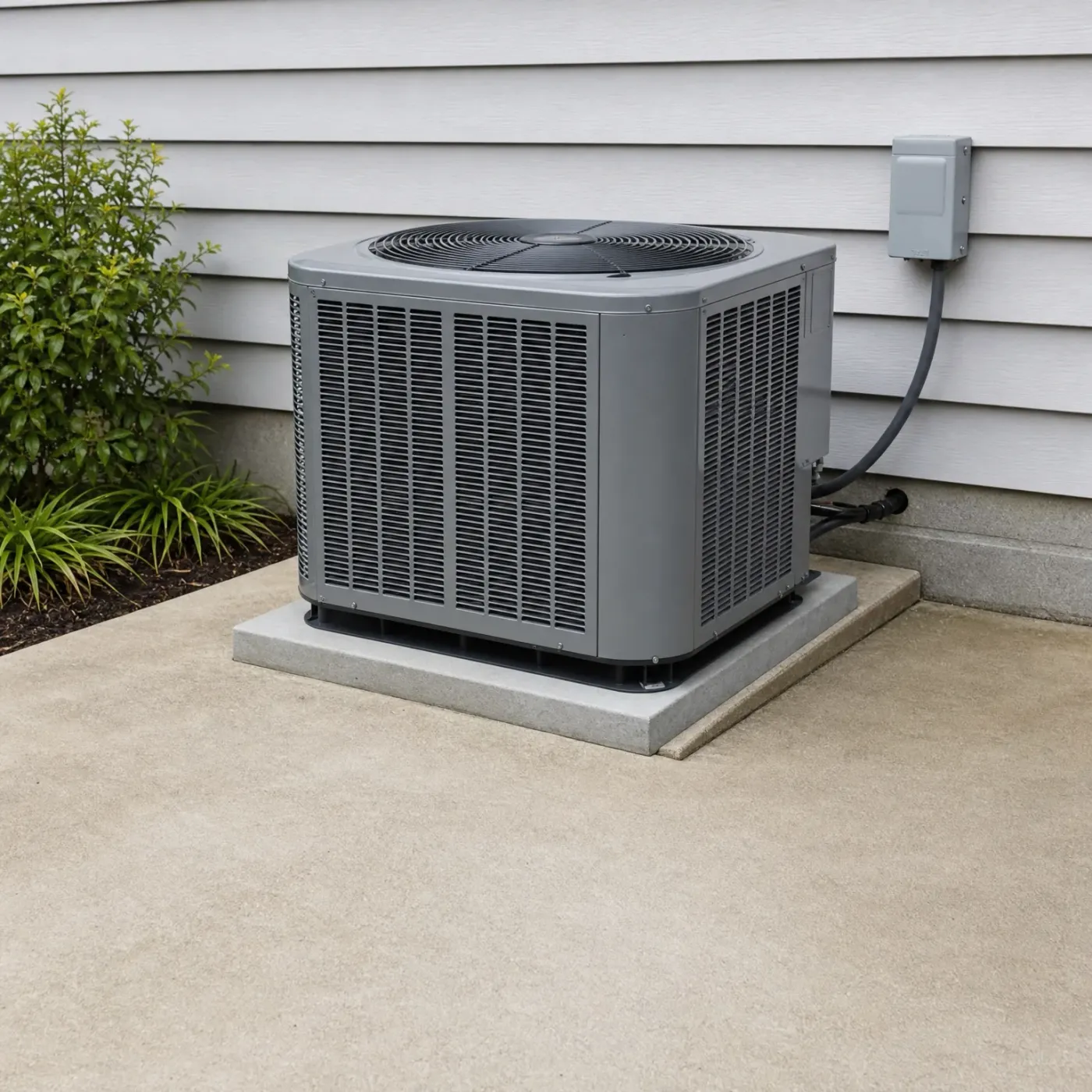
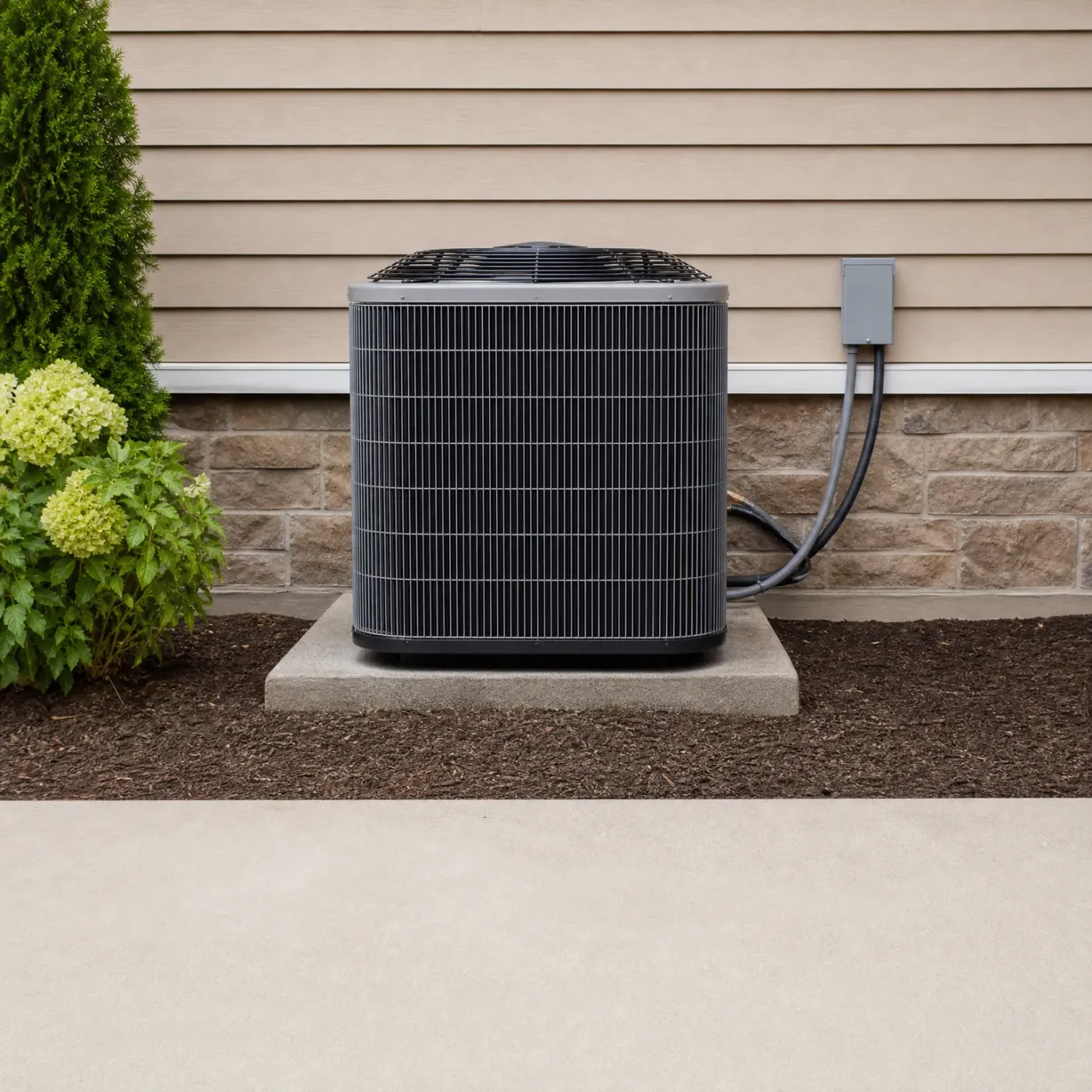
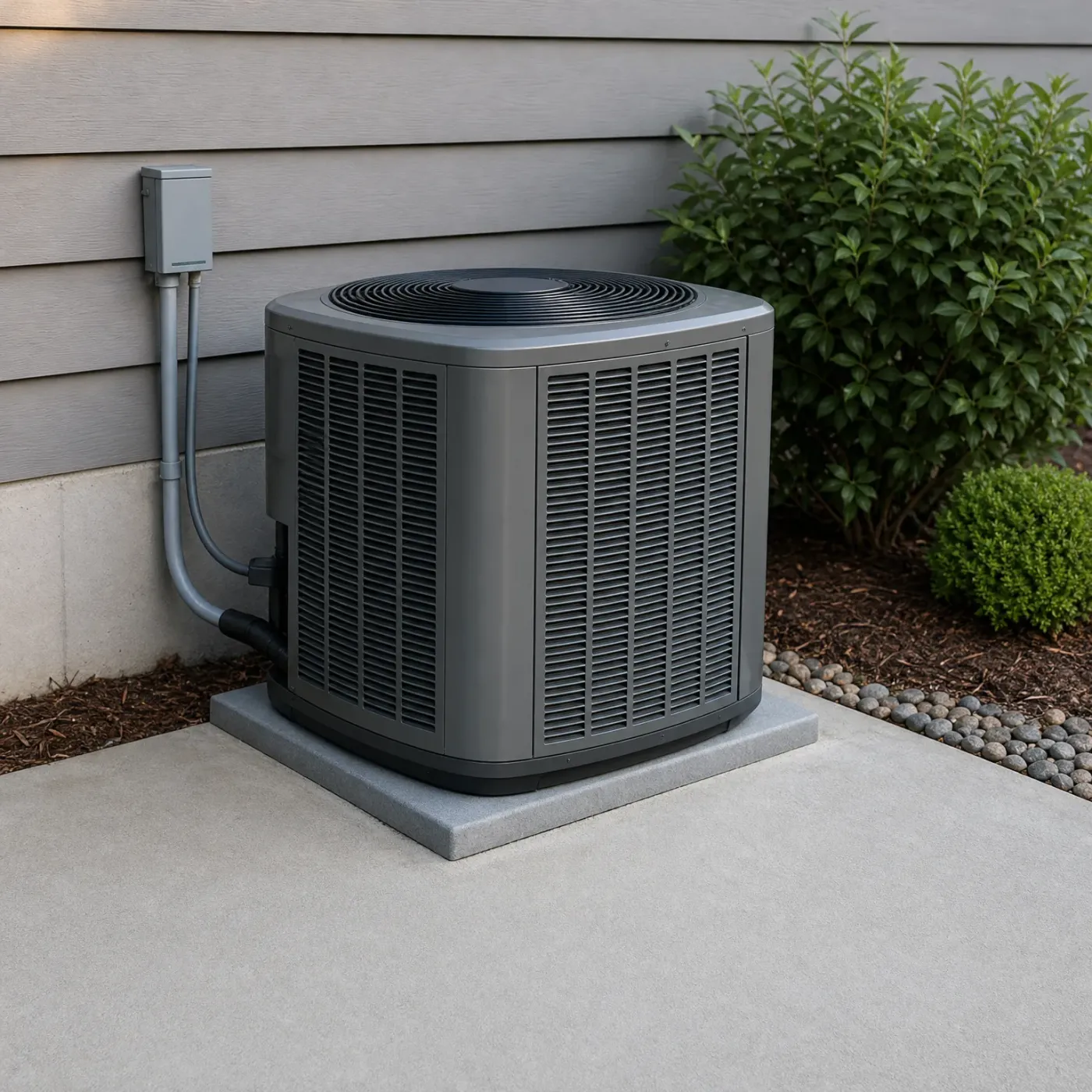
A gray outdoor air conditioner condenser unit on a concrete pad beside a house with horizontal lap siding, with a wall-mounted disconnect box and conduit at left and a green shrub and mulch bed at right.

Running long but cooling fine

If the house reaches your thermostat setting, even after an hour or two of straight runtime, the AC is doing its job. On a 95 degree afternoon, a long cycle is just the unit keeping up. Check that the air coming out of the vents feels cold and the house actually gets there.
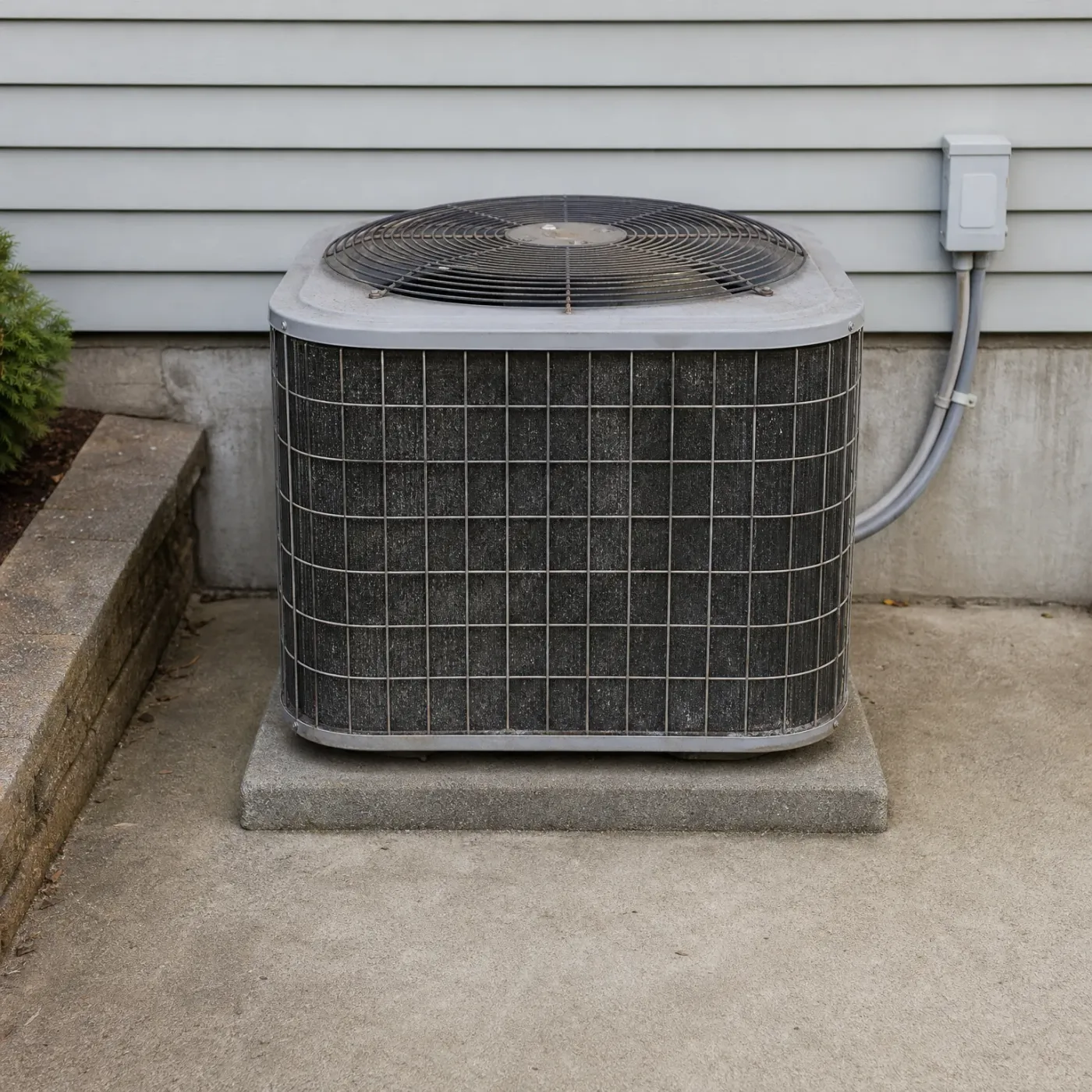
An outdoor air conditioner condenser unit on a concrete pad beside a house with horizontal lap siding, with a conduit running to a gray electrical disconnect box on the wall.

Running long and not keeping up

If the AC runs for hours and the house still sits a few degrees above the setting, something is off. That could be a dirty coil, a refrigerant leak, or a unit that was never sized right for the house. Left alone, it works harder for less result every afternoon.

Long and Steady, or Short and Stuck

Running long and never catching up

  • The thermostat never reaches its setting, even after the AC runs for hours straight through the hottest part of the day.
  • Vents still blow air, but it doesn't feel as cold as it should when you hold your hand up to it.
  • The outdoor unit runs constantly but the house stays a few degrees warmer than what the thermostat is set to.
  • A dirty filter or a coil caked with dirt makes the system work harder without moving the heat it's supposed to move.
  • A unit sized too small for the house will run nonstop on the hottest afternoons and still lose ground.
  • If this has been going on for more than a day or two, it's worth having someone look at the refrigerant charge and the coils before a hotter week hits.

Short cycling, never settling in

  • The AC shuts off after a few minutes, then kicks back on again shortly after, all afternoon long.
  • Short runs like this mean the system isn't getting a long enough cycle to pull the humidity out of the air.
  • A thermostat that's miscalibrated or placed near a window can cut the cycle short before the house actually cools.
  • An oversized unit will cool the air near the thermostat fast, shut off, and leave the rest of the house warm and sticky.
  • Frequent on and off cycling puts more wear on the compressor than one long steady run does.
  • If the AC is cycling this way on a 90 degree day, it's a sign something needs adjusting before it shortens the system's life.
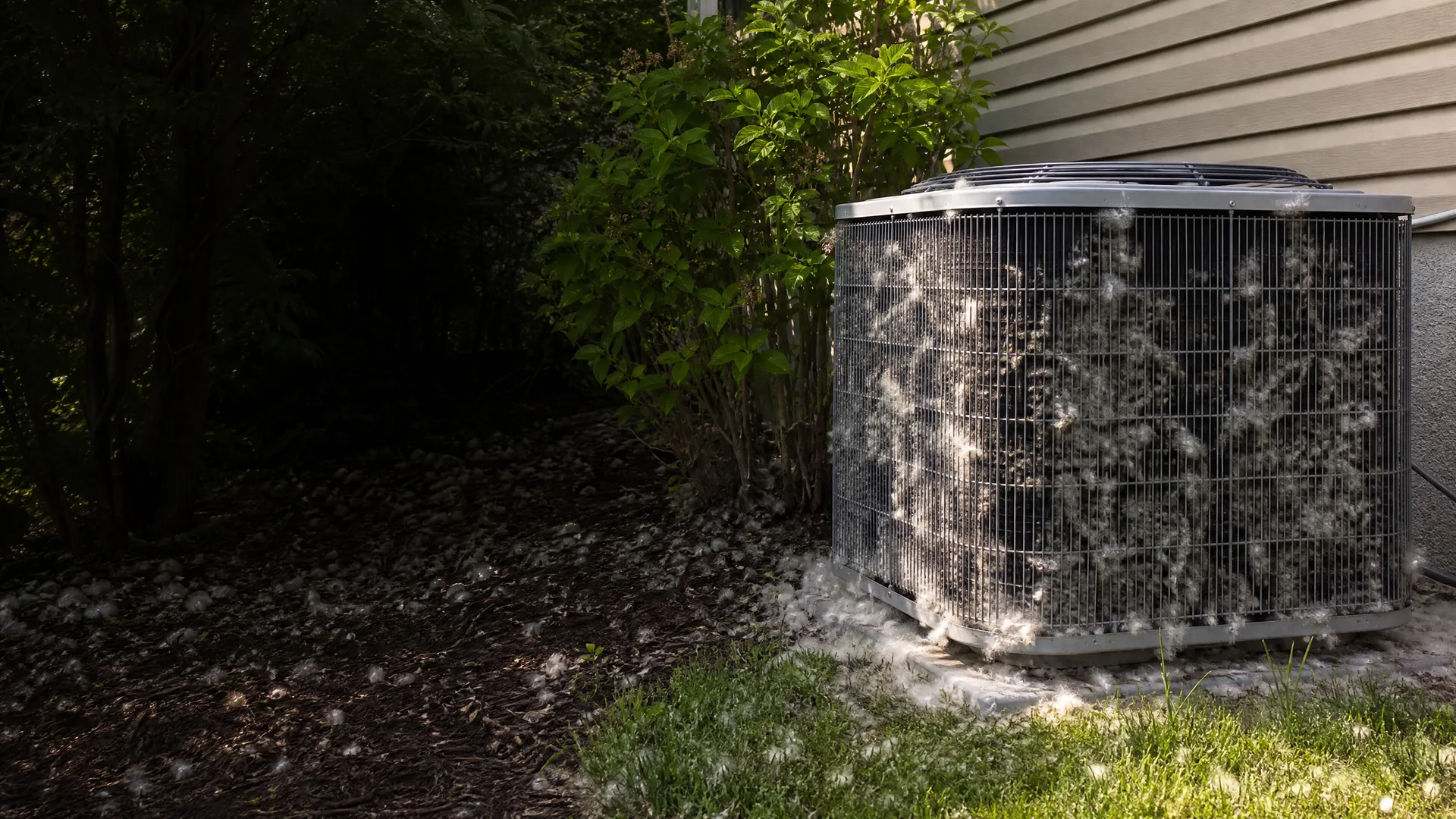
An outdoor air conditioner condenser unit beside a house with horizontal siding and stucco, its coil fins covered in white cottonwood fluff that also collects on the surrounding grass and mulch.

Late afternoon, and you're out by the side yard pulling weeds when you notice the condenser running. It's been running a while. You crouch down and see the fins packed with cottonwood fluff, a soft white layer caught in the metal like lint on a screen. You brush a hand across it and the fluff comes away in clumps, but there's more underneath. The unit hums along, working through air that barely passes through anymore. Inside, the thermostat still hasn't hit its number. You think about how long it's been running, and head back inside to check the vents.

Send one request and you're done looking

A Florida summer asks a lot of your AC, day after day, and there's only so much a unit can make up for on its own when something underneath is off. Dirty coils, a low charge, a clogged filter, all of them show up as the same thing: longer runtimes and a house that never quite feels right. Once you've checked the easy things and it's still running long, figuring out what's actually wrong isn't a guess you want to make yourself. That usually means getting someone out to look at it, which on its own is its own chore: finding a few contractors, calling each one, describing the same symptoms three or four times, then sitting with quotes trying to tell who's actually right for the job. Send the request once and that part is off your plate. You still have a system to get sorted before the next 95 degree afternoon, but at least you're not the one tracking down who can do it.

Why the runtime itself is normal

A central AC in Florida is sized to run long on the hottest afternoons, not to shut off every few minutes. It's moving heat out of the house as fast as the sun is putting it in, and in July or August that's a steady fight. A unit that cycles on at noon and runs into the evening on a 95 degree day isn't struggling. It's doing the job it was built for. Short cycling, turning on and off every few minutes, is actually harder on a compressor than one long steady run. What matters isn't the clock. It's whether the house is getting cooler while it runs.

What maintenance actually checks

A maintenance visit looks at the things that quietly stretch a normal long cycle into an endless one: refrigerant charge, the coils, the filter, electrical connections on the contactor and capacitor. Low refrigerant makes the system move less heat per hour it runs. A coil caked with dust does the same. None of these show up by looking at the thermostat. They show up as runtime creeping up over months, which is exactly why a seasonal check before the heat sets in catches them while they're still small and cheap to fix, not after they've turned into a breakdown in August.

A man in a blue sweatshirt reclines with closed eyes in a brown leather armchair in a living room with a bookshelf, houseplant, sofa, window, and a side table holding newspapers and a dark mug.
A bearded man in a gray pullover reclines with closed eyes on a brown leather sofa in a sunlit room with a window, framed picture, potted plant, and a wooden cabinet holding papers and a dark mug.
A man in a gray sweater leans back with closed eyes in a brown leather armchair beside a wooden side table holding a dark mug and a folded newspaper, with bookshelves and a window seat behind him.
A man in a green sweater reclines in an armchair with his eyes closed and a slight smile, beside a window with plants, a small table holding a mug and folded newspaper, and bookshelves behind him.

A central AC cools in a loop, not a burst. The compressor pulls refrigerant through the coil outside, where it dumps the heat it picked up inside, then sends it back in to do the same thing again. Every pass through that loop only moves a few degrees of heat out of the house. That's why the system doesn't cycle off after a few minutes on a 95 degree day. It's also why runtime climbs as the coil outside gets dirty or the charge drops. A coil caked with dust can't shed heat as fast, so the refrigerant comes back warmer than it should, and the compressor has to run longer to move the same amount of heat. A low charge does something similar from the other direction, since there's less refrigerant to carry the heat each pass. Either way, the loop still works. It just takes more trips around it to get the house where you want it.

A gray outdoor air conditioning condenser unit on a concrete pad beside a house with horizontal lap siding, with a wall-mounted disconnect box and conduit, and shrubs to the left.
A clean condenser outside, fins clear and the pad swept, keeps the unit running at the long stretch Florida heat actually calls for.
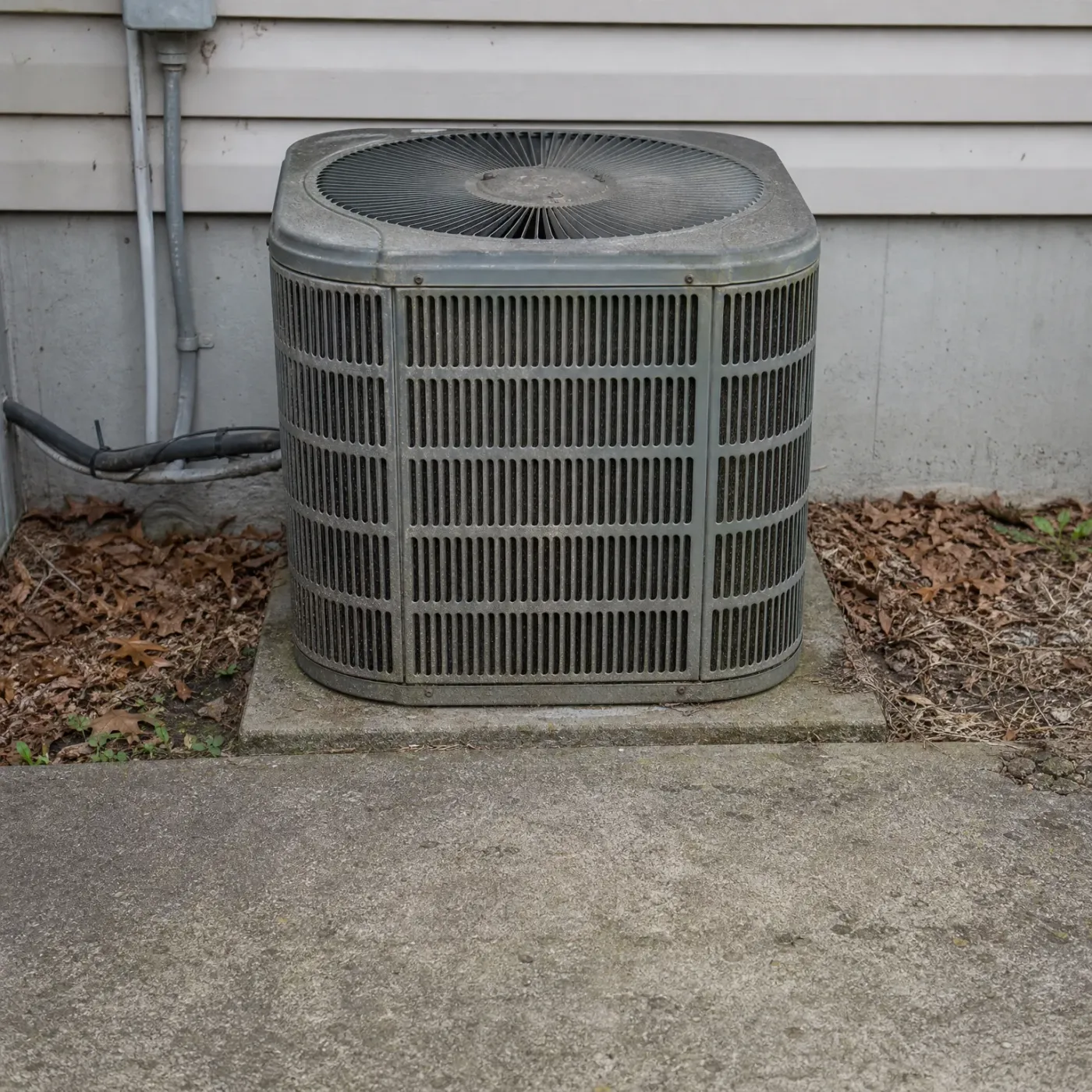
An outdoor air conditioning condenser unit on a concrete pad beside a house with horizontal siding and a concrete foundation, with dry brown leaves on the ground to either side.
Caked fins and a pad buried in leaves make the unit work harder for less cooling, and the runtime stops being normal.
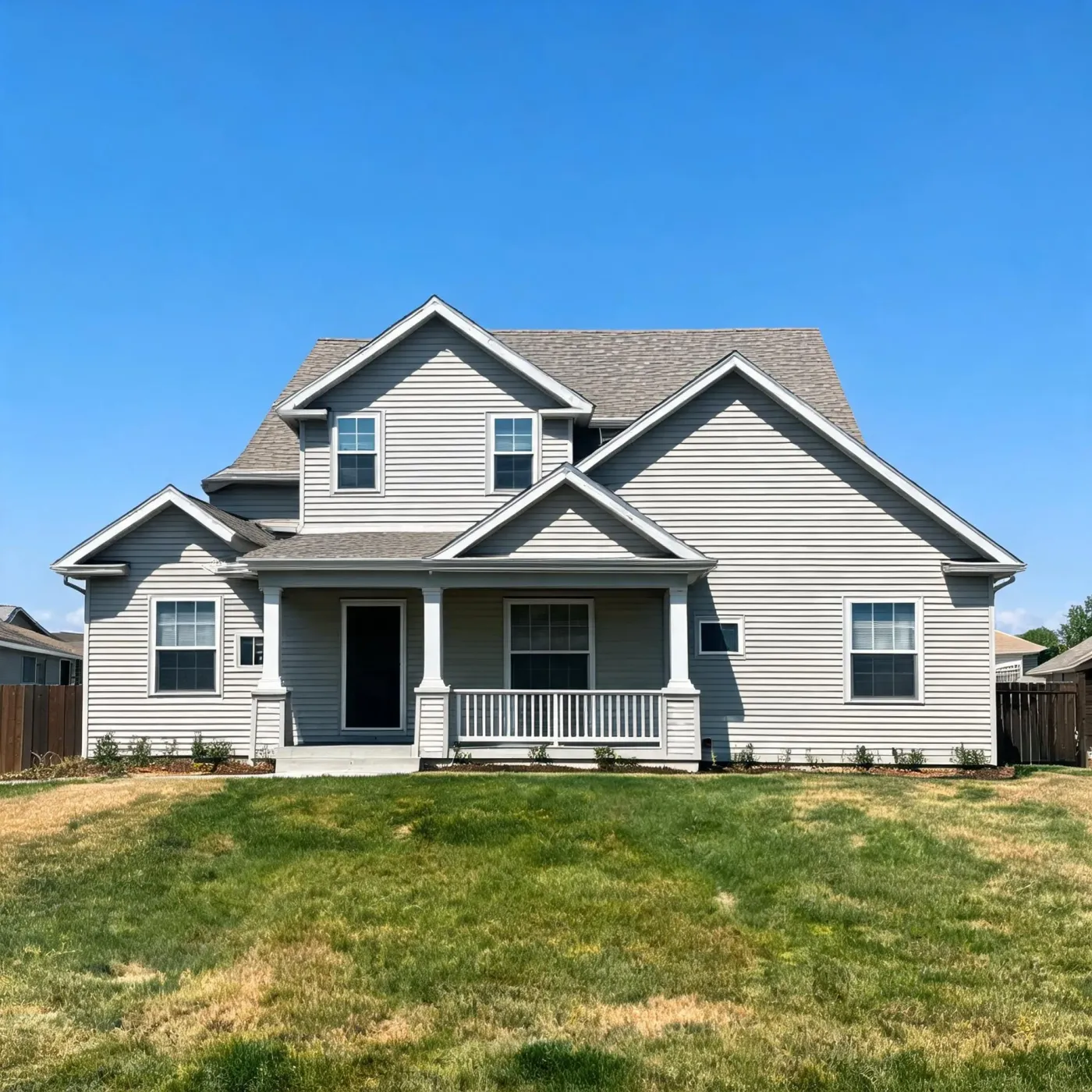
A two-story gray horizontal-siding house with multiple gables, a covered front porch with white columns and railing, and a dark front door, fronted by a patchy green and brown lawn under a clear blue sky.

The weight in the air is part of why your AC runs as long as it does. Across June, July and August, the dew point here averages 74°F, the measure of how much moisture the air is holding, and that figure comes from NOAA climate data for Florida. Past the low 60s, air starts to feel heavy, and at 74°F it feels thick even in the shade. Your AC isn't just dropping the temperature, it's wringing that moisture out of the air too, and that takes extra runtime you wouldn't see in a drier state. If the house feels cool but still a little damp, that's the dew point talking, not a sign anything's wrong.

NASA POWER T2MDEW county cells weighted by homes

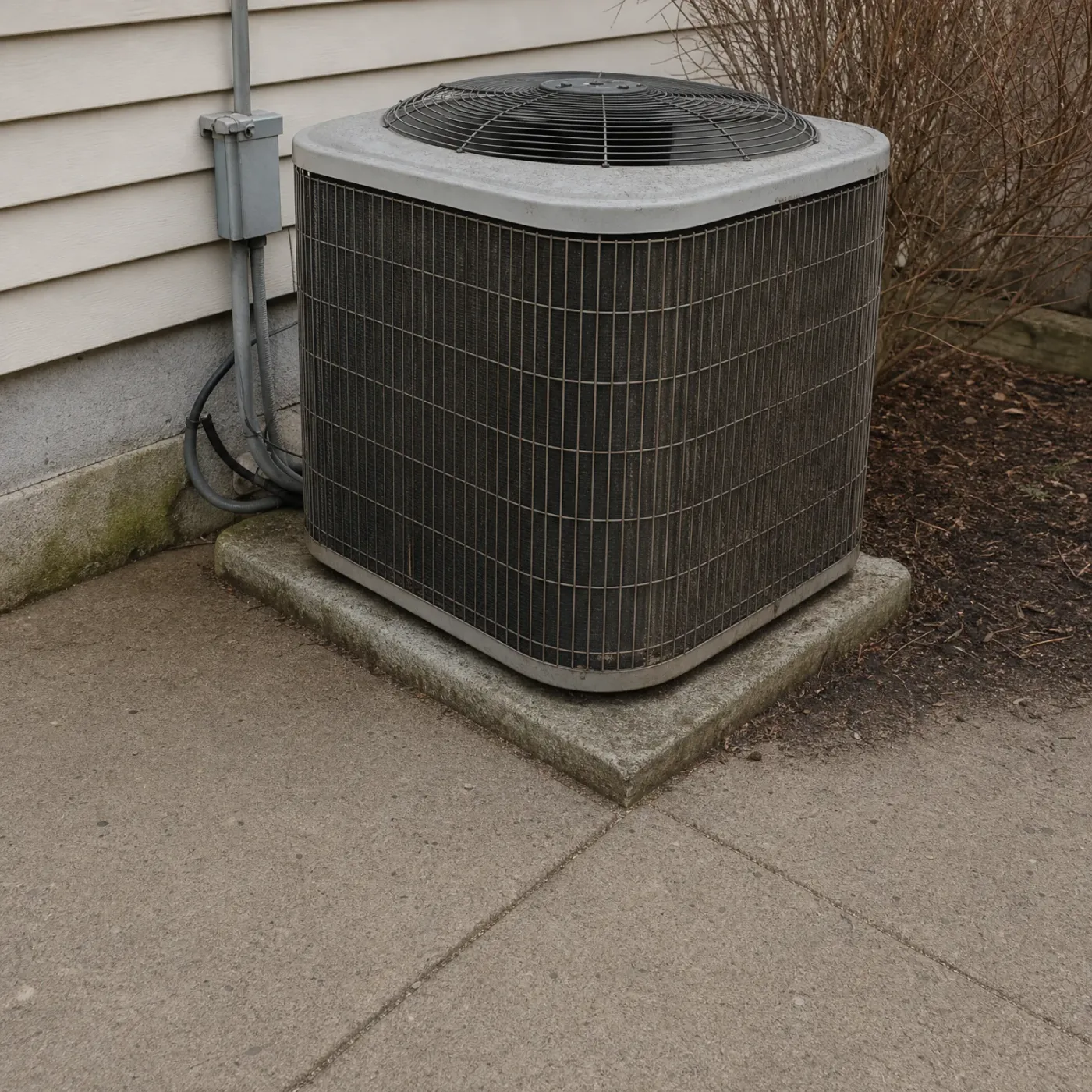
An outdoor air conditioning condenser unit on a concrete pad beside a house with light vinyl siding, an electrical disconnect box and conduit on the wall, bare shrubs and mulch to the right, and a concrete walkway in the foreground.
Before you get your air conditioner maintenance
An outdoor air conditioner condenser unit on a concrete pad beside a house with beige horizontal siding and a stone-veneer base, with refrigerant lines running to a gray wall-mounted electrical box, surrounded by dark mulch, a flowering shrub and an evergreen on the left.
After you get your air conditioner maintenance

Power costs 15.21 cents per kilowatt-hour statewide

At 15.21 cents per kilowatt-hour, every extra hour your AC runs on a bad afternoon shows up on the bill. Long runtime on a clean, well-charged system is just the cost of keeping up with the heat. Long runtime on a struggling one is paying that rate for cooling you're not getting.

EIA-861 2025 statewide residential average

A closed laptop and a cream mug of coffee on a coaster sit on a dark wooden table, with a potted plant at left and a kitchen counter, tiled backsplash and shelf of ceramics in the background.

Long runtime is normal. Never catching up isn't.

A long cycle on a 95 degree day doesn't mean anything is wrong. Your AC is built to run that way when the heat outside is pushing hard. What tells you something's off is the house never reaching the thermostat setting, or air at the vents that doesn't feel as cold as it should. That's the line to watch for, not the runtime by itself.

If you've gotten this far wondering whether your system is working the way it should, you already know the part that's hard isn't understanding the problem. It's finding someone who can look at the coils, the charge, the filter, and tell you which one it is. Sending the form means you're done calling around, done explaining the same thing to three different companies, done sorting through quotes to figure out who actually knows what they're looking at. A contractor takes it from there.

A living room corner with a beige upholstered armchair holding navy and striped cushions, a small round wooden side table with a carved bowl and a potted green plant, a framed landscape picture on a pale wall, built-in shelving, and a curtained window.
A curving paver walkway runs alongside a house with beige lap siding and a white-trimmed window, bordered by low shrubs, grassy plants, and trees in sunlight.
A dark-framed casement window with divided upper panes set in a stucco wall beside a stone-clad section, with hydrangeas, hostas and trimmed shrubs in a mulched bed above a lawn.
White horizontal lap siding wall with a single six-pane double-hung window, above a mulched bed of hydrangea shrubs with browning blooms, bordered by mown grass in low sunlight.
Interior corner with tan plaster walls, a potted olive tree in a large terracotta urn beside a floor-to-ceiling window, and a wooden bench with a beige cushion on a herringbone brick floor partly covered by a woven jute rug.
A wooden bench beneath a window holds a green linen cushion and a fringed cream throw, with a woven basket stored underneath on a wood plank floor.

Finding a pro stops being your job

Skip calling around to set up an air conditioner tune-up.

Send my request

Sending the form costs nothing.