Get AC Florida

AC not cooling in Tampa, FL

Send the request today and let an air conditioner pro reach out to you.

Let a pro reach out

If your AC is running but not cooling, the problem is usually one of three things: the outdoor unit is dirty or blocked, the refrigerant charge is low, or the evaporator coil has frozen over. In Tampa's humidity, coils ice up more than they would in a drier climate, especially when airflow is already restricted by a clogged filter. A dirty outdoor condenser can't shed heat properly, so the system runs constantly without bringing the house down to temperature. Low refrigerant almost always means a leak somewhere in the lines, not normal use, since the charge is sealed at installation and shouldn't drop on its own. If air is blowing but it's warm or barely cool, suspect the compressor or the coil. If there's little or no airflow at all, check the blower motor or a fully frozen coil first. Either way, running the system while it's struggling can push a bigger repair bill, so it's worth having someone look at it soon.

  1. Warm air passes over an evaporator coil full of cold refrigerant

  2. The coil absorbs heat and sends cooled air through the ducts

  3. Dirt, low refrigerant, or poor airflow stop the coil from cooling

  4. A blocked or starved coil frosts over instead of just getting cold

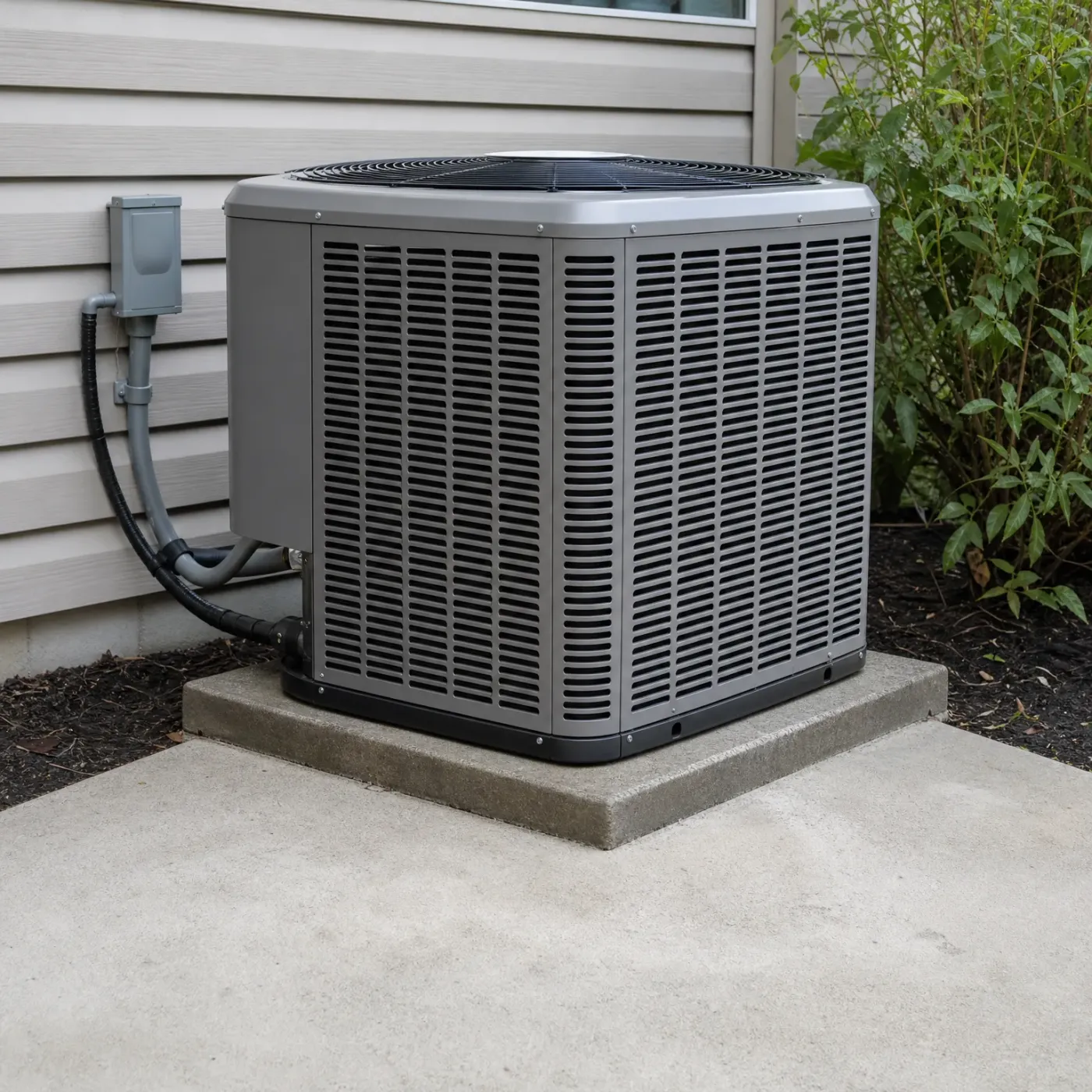
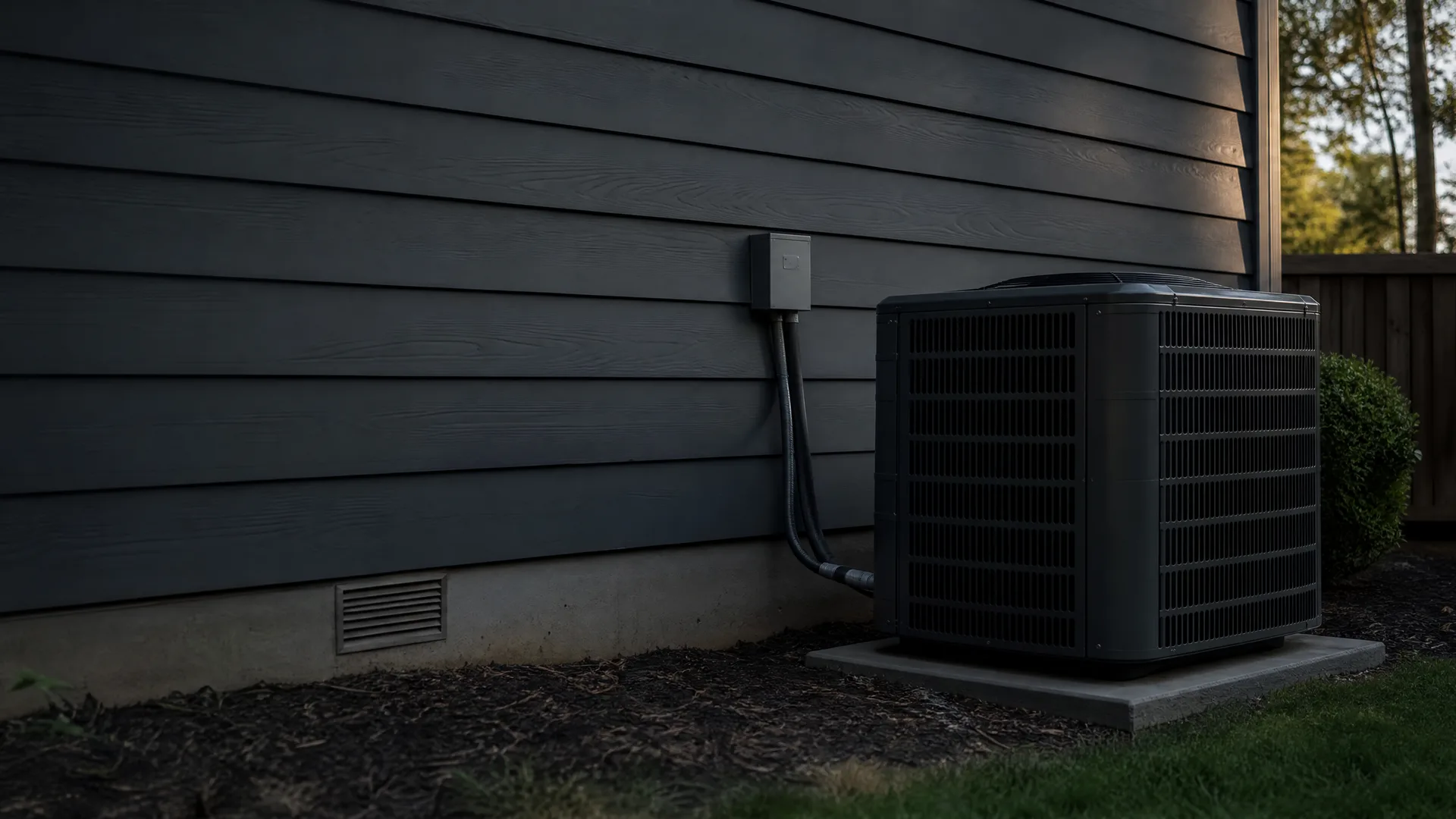
A gray outdoor air conditioner condenser unit on a concrete pad beside a house with light vinyl siding, with an electrical disconnect box and conduit on the wall and a leafy shrub with dark mulch to the right.
A clean condenser unit with good airflow around it keeps the coil inside working at full strength through a Tampa summer.
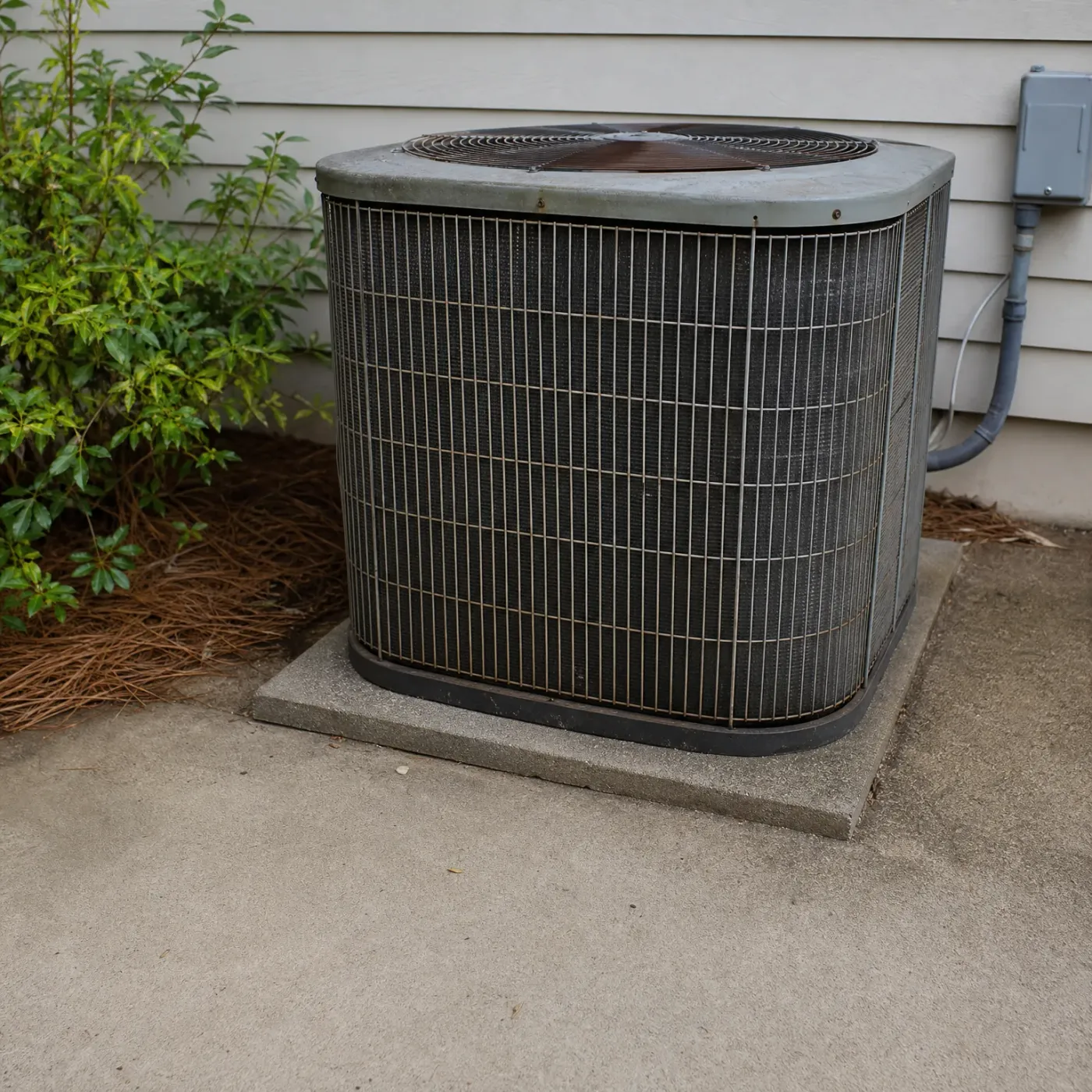
An outdoor air conditioner condenser unit on a concrete pad beside a house with horizontal lap siding, with a gray electrical disconnect box and conduit on the wall and a green shrub over pine-needle mulch at left.
Grime caked on the grille chokes off airflow, which is often what starts the coil icing over in the first place.

An AC that runs without cooling does not just mean a warm afternoon. If the house sits at 80 degrees for long, anyone inside with small kids or health problems feels it fast. Shut up tight against the heat, the house traps warm, damp air in the ducts, and that is where mold gets its start. Inside the unit, a coil that keeps icing over and thawing never actually cools the air. It just cycles on and off, running up the power bill for nothing. Left alone, a frozen coil can send liquid refrigerant back to the compressor, which is the most expensive part of the system to replace. Even short of that, a unit straining against Tampa humidity pulls longer, harder cycles than it should, and that wears the compressor down faster. None of this gets better by waiting it out. Once you send the details, you are done chasing it. No calling around, no explaining the same problem to three different contractors. That part becomes someone else's job.

What a Warm House Costs You

  • A house that stays at 80 degrees through a Tampa afternoon puts real strain on anyone inside with small kids or health problems.
  • Warm, damp air left sitting in the ducts gives mold a place to start, especially in a house shut up tight against the heat.
  • A coil that keeps icing over and thawing cycles the system on and off without ever cooling the air, which shows up on the power bill.
  • Letting a frozen coil run can push liquid refrigerant back to the compressor, the most expensive part of the system to replace.
  • A unit straining to cool against Tampa humidity pulls longer, harder cycles that wear the compressor down faster than it should.
  • Instead of searching, calling a handful of contractors, and explaining the same problem over and over, you send the details once.
A smiling man in a blue denim shirt over a white tee sits at a light stone kitchen counter with a grey mug and a bowl of oranges and bananas, with pendant lights and shelving behind him.
A smiling bearded man in a grey long-sleeved shirt sits at a kitchen counter with a dark mug, with a dining table, pendant light and glass doors onto greenery behind him.
A bearded man in a dark green knit sweater smiles and looks off to the side while standing at a kitchen counter with a white mug of coffee, with open shelving, a potted tree, and a dining table near large windows behind him.
A man with dark curly hair in a dark green sweater stands smiling and looking to the side in a kitchen with white cabinets, a potted plant, a stone countertop with a ceramic mug, and a dining area with framed art in the background.

Hand off the search today

A Tampa afternoon with no cooling does not wait politely while you sort it out. The air gets heavy fast, and if the coil has already iced over, running the system more only makes it worse until someone shuts it off and lets it thaw. Right now your options are to start calling repair companies yourself, sit through hold music, explain the same symptoms three or four times, then line up quotes and figure out who actually sounds like they know what they are talking about. Or you send this request once and a licensed contractor who works on Hillsborough County systems takes it from there. You are not stuck pricing around while the house climbs past 80 degrees. Whether it is a blocked condenser, a low charge, or a coil that needs to thaw before anyone can look at it, the first step is getting someone qualified out to look, and that part can happen the moment you hand it off.

Why turning it off helps

A frozen coil needs time off to thaw before anyone can find the real problem underneath the ice. Running the system harder only adds more frost on top of what is already there. Shut the unit off and leave the fan setting alone so air keeps moving past the coil. Depending on how thick the ice is, this can take a few hours. Once it is clear, a contractor can see the coil itself and tell whether low refrigerant or weak airflow caused it.

Why the outdoor unit matters

The outdoor unit is where the heat collected inside your house actually leaves it. Grass clippings, mulch, and pollen build up on the fins all summer in Tampa yards, and once that layer gets thick enough, the unit can't shed heat the way it needs to. That backs up through the system and shows up as warm air inside and ice on the coil outside. Keeping two feet of clear space around the unit and rinsing the fins off with a hose goes a long way toward preventing the next breakdown.

A smiling man in a dark blue T-shirt sits on a light gray sofa in a living room with a wooden shelf and window behind him, with a laptop edge visible in the foreground.
A bearded man in a plaid flannel shirt sits indoors looking out a window at snow-covered trees, with a steaming mug on the sill and wooden kitchen shelves behind him.

Cooling runs March through November

Nine months of the year, your AC in Hillsborough County is either running or about to kick on. That long a season means a dirty coil or a slow refrigerant leak has months to turn into a system that quits in July instead of one that just needs a filter change.

NOAA nClimDiv 1991-2020

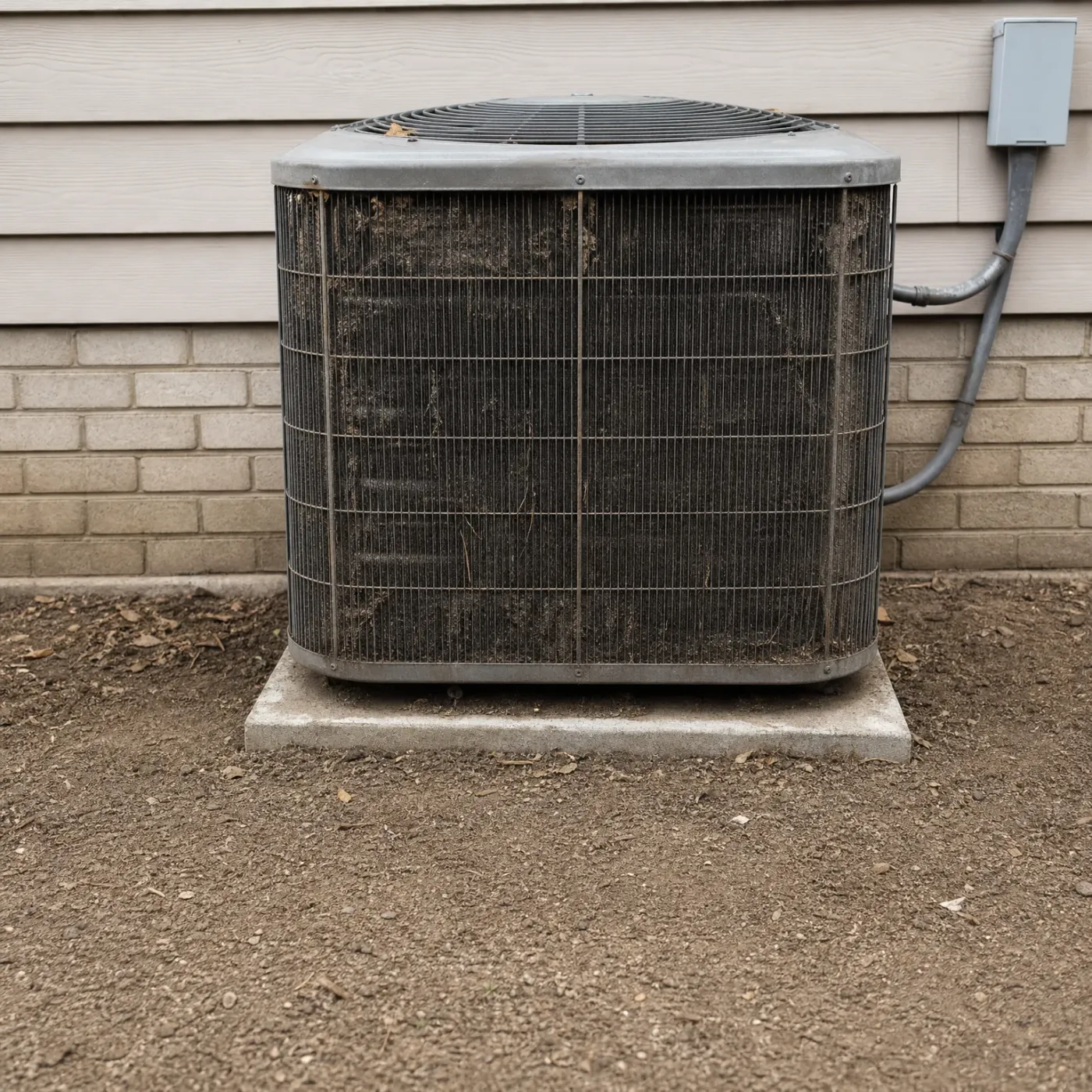
A dirty outdoor air conditioning condenser unit on a concrete pad beside a house wall with horizontal siding above a painted brick foundation, with a gray electrical disconnect box and conduit on the wall.
Before you get your air conditioner repair
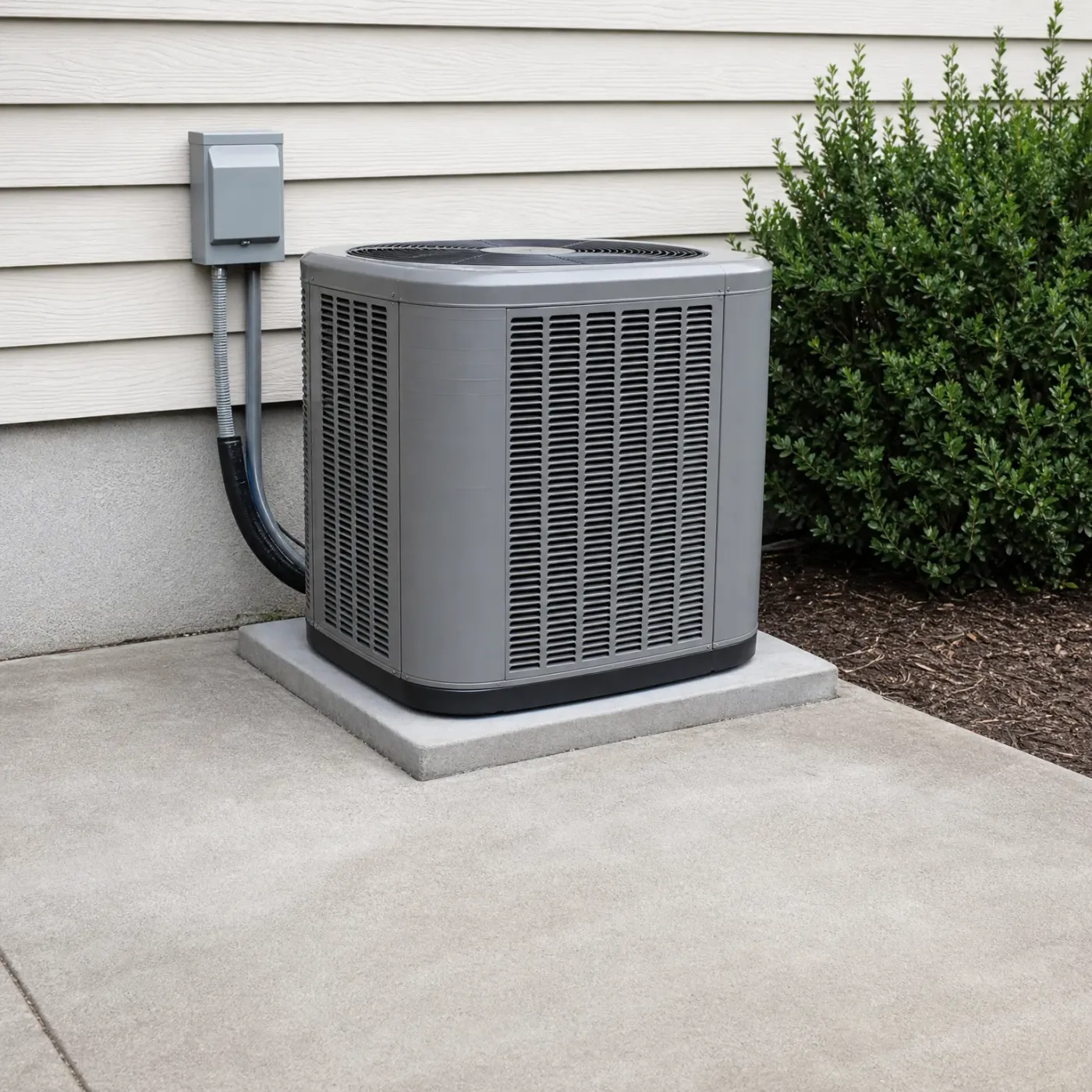
A gray outdoor air conditioning condenser unit on a concrete pad beside a house with horizontal lap siding, with a wall-mounted disconnect box and conduit to the left and a green shrub with mulch to the right.
After you get your air conditioner repair

Call around yourself

You find a contractor, explain what's wrong, wait on hold, then do it again with the next one to compare quotes before anyone looks at your AC.

Skip the calls

Send the form

You describe the problem once. Finding someone to fix it stops being your job, and you wait for the house to cool instead of the phone to ring.

Skip the calls
A closed silver laptop and a white cup of coffee on a saucer sit on a wooden table in front of a wooden chair, a plain beige wall, a potted leafy plant and a window with greenery outside.

Your AC isn't cooling because something specific stopped it

A dirty condenser, a low charge, or a frozen coil. One of those three is sitting behind the warm air coming out of your vents, and which one it is decides what happens next. Tampa's humidity makes the frozen coil especially common, which is why shutting the system off and leaving it off matters more here than it would somewhere drier.

You don't have to figure out which of the three it is before you call. That part belongs to whoever shows up with gauges and a way to check the charge. What you can skip is the part that has nothing to do with your AC at all: finding a contractor who's licensed, available, and worth trusting with a system you rely on nine months of the year.

A gray upholstered sofa with a beige cushion and knit blanket beside a curtained window, with a white mug and a book on a dark wooden table in the foreground and a lit lamp in the background.
An outdoor air conditioning condenser unit on a concrete pad beside a dark gray horizontal lap-sided house wall, with a disconnect box and refrigerant lines on the wall, mulch bed and shrubs nearby.

Hand off the air conditioner problem

Answer a few questions instead of calling shop after shop.

Step 1 of 3: Equipment